


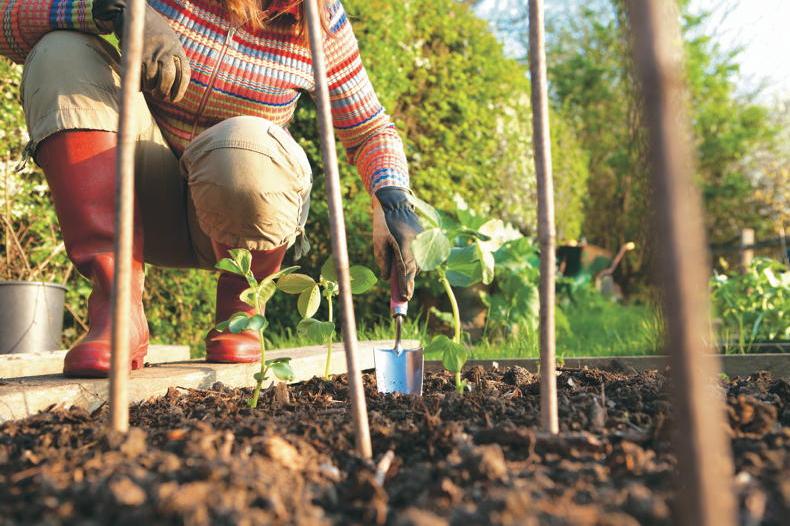
A golden rule of organic gardening is to avoid bare soil, especially over winter. Heavy rainfall will leach nutrients and damage soil structure, while exposed ground is more vulnerable to erosion and compaction.
Ideally, soil should remain covered with living roots throughout the year, in order to support the fungi, bacteria, earthworms and other organisms that underpin soil health. Unlike inorganic mulches, living green manures continue to feed this underground ecosystem, helping to maintain soil structure, capture nutrients that might otherwise be washed away and support biological activity even when little growth is visible above ground.
But the challenge is that by November, as the last root crops are lifted, the recommended sowing window for green manures has already passed. Traditional favourites such as phacelia, crimson clover and winter tares need to be established by early October to provide effective winter cover. Fortunately, there is still one green manure that is suitable for late autumn sowing – field beans.
Field beans (Vicia faba) are an excellent but often overlooked overwintering green manure. Closely related to Broad beans grown for the kitchen table, they are hardy, reliable and capable of establishing when other green manure crops are no longer practical. Their deep roots help improve soil structure, while their winter hardiness makes them particularly useful for protecting beds during the colder months. Field beans can be sown directly into cleared ground during November, making them particularly valuable after late crops have been harvested. Sow seed around 5cm deep and sufficiently densely to create an even winter cover across the bed. As a guide, a 250g pack is usually enough to sow approximately 10m2. While they may not create the dense canopy produced by some earlier-sown green manures, they provide one of the most important benefits of all, living roots through winter.
Also, as legumes, field beans fix nitrogen and convert it into forms plants can use. Much of this nitrogen is retained within the crop until roots and foliage decompose, contributing to fertility for future crops. They are especially useful in a rotation ahead of hungry crops such as cabbages, kale and leeks. For gardeners new to green manures, field beans are refreshingly straightforward. The large seed is easy to handle, germinates readily in cool conditions and works well at a time of year where options are limited.
Overwintering broad beans
The field bean’s close relative, the broad bean, may also be worth considering as when autumn-sown, they can also provide winter soil cover while offering the bonus of an early crop the following year. Aquadulce Claudia and Super Aquadulce are two of the most reliable varieties for overwintering.
Sow in early November in a sunny, sheltered position with well-drained soil. Sowing in pots and transplanting later is recommended where mice are likely to take seed, or where ground is particularly wet. Established plants grow slowly through winter before resuming growth in spring, potentially providing fresh beans weeks ahead of spring sowings. However, success depends on local conditions. As a Midlands gardener, I have found that prolonged periods of low temperatures accompanied by rain can be challenging for broad beans grown outdoors. They are often more reliable in a polytunnel or glasshouse, where sowings can continue into December.
If conditions suit your garden, overwintering broad beans are well worth trying. However, if the primary aim is simply to maintain living roots and winter soil cover, field beans remain the more dependable choice. Now, if soil is already waterlogged, frozen or simply too cold for reliable establishment, resist the temptation to force sowing either, as working wet ground can do more damage than leaving it alone.
While living roots remain the gold standard for winter soil protection, an organic mulch is still far preferable to bare soil. Sheep wool, seaweed, straw or other suitable materials will help protect soil from winter weather while gradually feeding the soil as they break down.
Field beans may offer one of the last opportunities of the year to establish a living cover crop, but if that window has passed, use whatever mulch materials are available. The important thing is not to leave soil exposed.
November may signal the end of the growing season, yet a little attention now will pay dividends when sowing and planting again next spring.
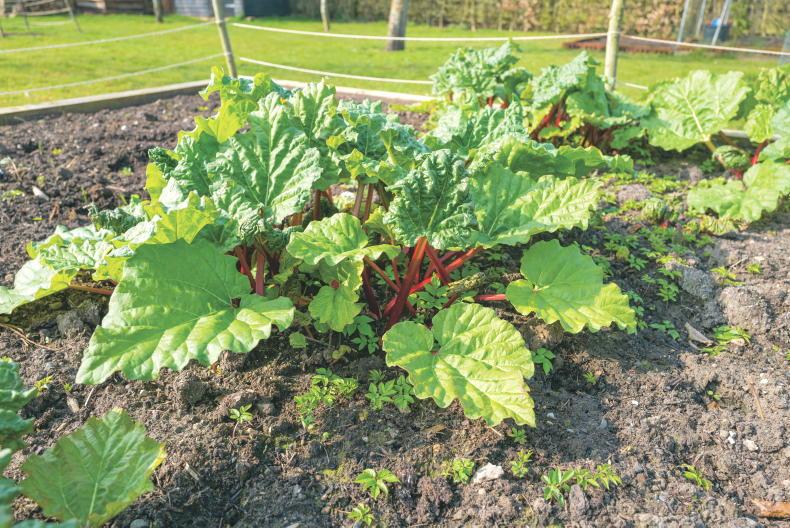
My rhubarb patch was planted seven years ago and produced fewer stalks this season. Will dividing it improve vigour and future harvests? – Ruairi, Co Galway.
Yes. Rhubarb benefits from division every five to 10 years, and November is an ideal time once the foliage has died back and plants are dormant. Congested crowns often lose vigour, leading to leaner harvests and thinner stalks.
Carefully lift the clump with a garden fork and divide it using a sharp spade, ensuring each section retains at least one healthy bud and a good portion of root. Replant the strongest divisions into well-drained soil enriched with plenty of compost or well-rotted manure. Water after planting, mulch with straw and allow the crowns time to establish before resuming regular harvesting.
Harvest now: brassicas such as kale, Brussels sprouts and cabbage; root vegetables like carrots, parsnips and beets;late apples and pears; leeks and winter salad leaves; herbs such as coriander, parsley, rosemary, sage and thyme.
Sow now: garlic, overwintering onions, field beans, broad beans and peas (under cover in exposed gardens).

