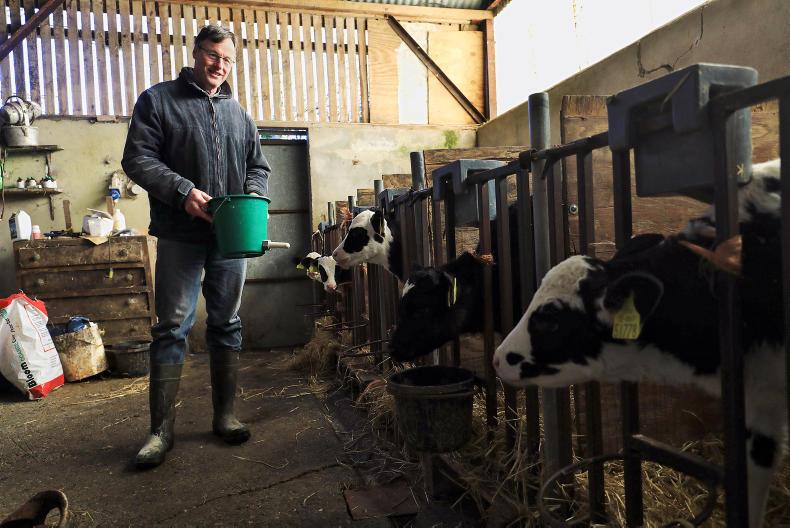
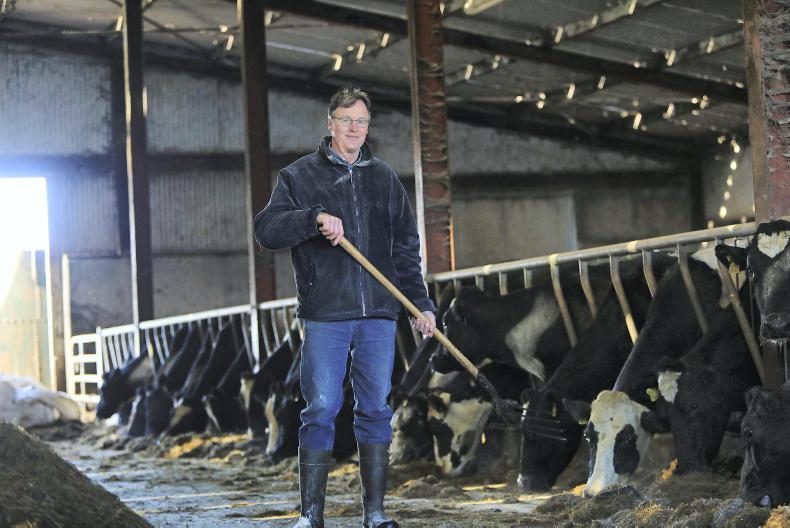
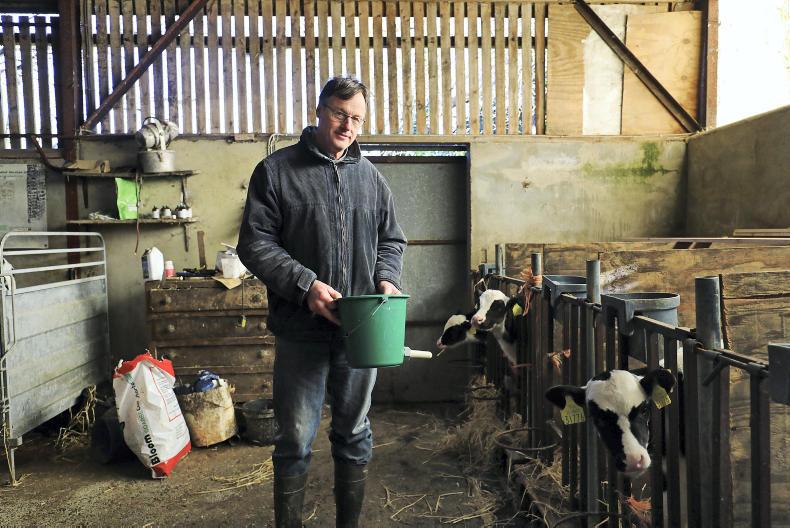
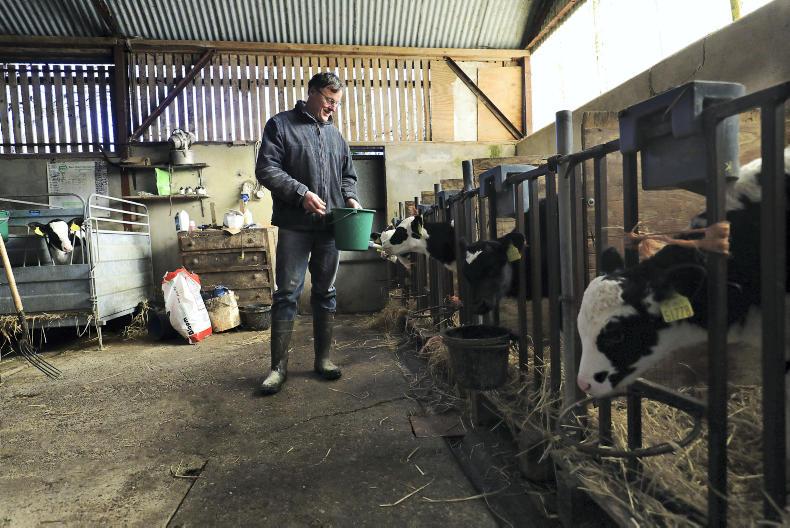
Micheál O’Shea is a dairy farmer based less than 10 minutes’ walk from Killarney town centre. In 2016, the purchasing group he is involved with decided to get their health checked. The process would take half a day at the Mater Private in Cork.
Micheál is the father of two daughters, Marion (22) and Elizabeth (11), and has been a widower since his wife Vivien lost her battle with cancer. When the date for his health check arrived, he tried to find any excuse not to go.
“The morning I was to go for the tests, I had four good reasons not to go. Only for the fact that I had made a commitment to the group I wouldn’t have gone. Of the 24 of us in the group, 21 came home with a clean bill of health, one farmer was diagnosed with diabetes and another needed stents.”
Not so simple
Micheál had no previous health issues, was fairly fit and played football with his local GAA club, Fossa, until he was 40 years of age. He didn’t think he had anything to worry about. However, the health check didn’t go as planned and he ended up being called back.
“I was a bit disappointed, as I was hoping to get the whole thing finished in one appointment. They did an ECG and an echo. Afterwards I was told: ‘We know what’s wrong and it can be fixed.’
I was thinking, right so, organise the prescription and I can go away. But it wasn’t that simple.
The tests revealed that Micheál had a problem with his heart and it was a problem he was born with.
“It seemed I had a massive aneurysm forming outside the heart and I was told that within three years it would have been fatal – I would either have had died with a stroke or died instantly.”
Breaking it down
The doctor explained to Micheál that once the aneurysm on the valve on the aorta goes beyond 4cm, there would have to be an intervention.
“I was way beyond that at 5.4cm. I was deep in the red zone. I was told I was way beyond intervention and in critical need of getting sorted.
I remember looking out the window at the passing cars, thinking, who is he talking to? As far as I was concerned, the worst-case scenario was I might need a stent. If that was the case, who would I get to milk the cows for a few days and who would mind Elizabeth?”
However, the surgeon had other ideas.
“I was told that until I got the problem sorted, there was nothing I could do as the aneurysm could go at any minute.”
Micheál required open heart surgery to get a valve in the aorta replaced. He asked the doctor to break down what it meant. Following the surgery, he would be two full weeks in hospital. Then there would be two months of rehab without doing anything and a further two months of easing back in. After that he was told he would be back to himself within eight months. He was stunned.
“I couldn’t believe it. It was the last thing I expected. I sat into my car and I didn’t know whether to go left, right, up or down.”
He used the three weeks between the diagnosis and operation to put a plan in place to look after his family and farm. “That three weeks gave me massive time to sort out things.”
The surgeon told him if by chance they had picked up the issue when he was in his 20s, he would have been monitored and in for an annual check-up.
Because Micheál would be incapacitated for a number of months, it meant he had to get a farm manager in. He got the ball rolling by ringing around his group to see if anyone knew of anyone available.
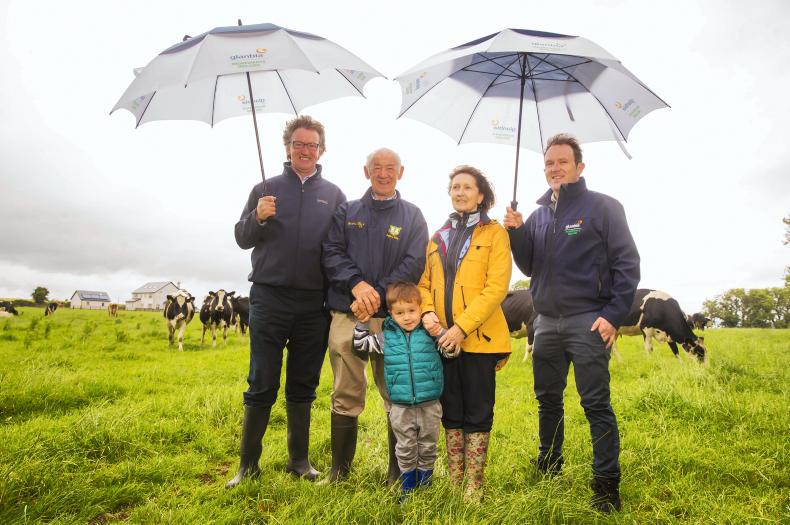
“I rang Mike Sheehan, the chair of our purchasing group, and asked if his son Paddy would know of anyone. Mike rang back the following day saying Paddy didn’t know of anyone but would do it himself. Straight away the pressure was off.
“The farm was my biggest worry as I knew there was a massive support base there for the girls. Marion was 21 and she took the year out of college and was able to look after Elizabeth.”
The talk
Days before he was released from hospital one of the nurses came into the ward. “She fixed the curtains, leaned against the wall and said: ‘You know Micheál, boys are fools.’
“I said: ‘What do you mean boys?’ ‘Men are fools,’ she said. It was only then I realised I was getting the talk. I said: ‘What do you mean?’ She said: ‘They think they are invincible and they do stupid things.’
She was probably thinking to herself, this fella is reasonably young, he’s strong and he’s a farmer. He’s an eejit. And she was right.
“After open heart surgery, they kind of glue your chest together. She told me about a man who had the same operation as me and within three weeks he was back in hospital as his chest was after opening while he was mowing the lawn.
“I made the mistake of telling people at home that story and every time I went to put on my wellingtons I was reminded about it. After the operation, I was warned I wasn’t to lift more than a two litre drum of milk for at least two months, that was my guide.”
Micheál eased himself back into work gradually. “The operation was on 13 September and my first job back at work was the evening milking on Christmas Day and I only did small jobs for another month.”
His advice to farmers is simple.
“Don’t think you are invincible. From your early 40s on, don’t take your health for granted. For the sake of €400 to €500, get it checked and with God’s help it will be a waste of money. If you base it on our group, there is a 12% chance of something being wrong and the sooner that is discovered the better.”
Read more
60% of farmers are overweight or obese – Teagasc study
MEN'S HEALTH: Running the key for champion amateur
Micheál O’Shea is a dairy farmer based less than 10 minutes’ walk from Killarney town centre. In 2016, the purchasing group he is involved with decided to get their health checked. The process would take half a day at the Mater Private in Cork.
Micheál is the father of two daughters, Marion (22) and Elizabeth (11), and has been a widower since his wife Vivien lost her battle with cancer. When the date for his health check arrived, he tried to find any excuse not to go.
“The morning I was to go for the tests, I had four good reasons not to go. Only for the fact that I had made a commitment to the group I wouldn’t have gone. Of the 24 of us in the group, 21 came home with a clean bill of health, one farmer was diagnosed with diabetes and another needed stents.”
Not so simple
Micheál had no previous health issues, was fairly fit and played football with his local GAA club, Fossa, until he was 40 years of age. He didn’t think he had anything to worry about. However, the health check didn’t go as planned and he ended up being called back.
“I was a bit disappointed, as I was hoping to get the whole thing finished in one appointment. They did an ECG and an echo. Afterwards I was told: ‘We know what’s wrong and it can be fixed.’
I was thinking, right so, organise the prescription and I can go away. But it wasn’t that simple.
The tests revealed that Micheál had a problem with his heart and it was a problem he was born with.
“It seemed I had a massive aneurysm forming outside the heart and I was told that within three years it would have been fatal – I would either have had died with a stroke or died instantly.”
Breaking it down
The doctor explained to Micheál that once the aneurysm on the valve on the aorta goes beyond 4cm, there would have to be an intervention.
“I was way beyond that at 5.4cm. I was deep in the red zone. I was told I was way beyond intervention and in critical need of getting sorted.
I remember looking out the window at the passing cars, thinking, who is he talking to? As far as I was concerned, the worst-case scenario was I might need a stent. If that was the case, who would I get to milk the cows for a few days and who would mind Elizabeth?”
However, the surgeon had other ideas.
“I was told that until I got the problem sorted, there was nothing I could do as the aneurysm could go at any minute.”
Micheál required open heart surgery to get a valve in the aorta replaced. He asked the doctor to break down what it meant. Following the surgery, he would be two full weeks in hospital. Then there would be two months of rehab without doing anything and a further two months of easing back in. After that he was told he would be back to himself within eight months. He was stunned.

“I couldn’t believe it. It was the last thing I expected. I sat into my car and I didn’t know whether to go left, right, up or down.”
He used the three weeks between the diagnosis and operation to put a plan in place to look after his family and farm. “That three weeks gave me massive time to sort out things.”
The surgeon told him if by chance they had picked up the issue when he was in his 20s, he would have been monitored and in for an annual check-up.
Because Micheál would be incapacitated for a number of months, it meant he had to get a farm manager in. He got the ball rolling by ringing around his group to see if anyone knew of anyone available.
“I rang Mike Sheehan, the chair of our purchasing group, and asked if his son Paddy would know of anyone. Mike rang back the following day saying Paddy didn’t know of anyone but would do it himself. Straight away the pressure was off.
“The farm was my biggest worry as I knew there was a massive support base there for the girls. Marion was 21 and she took the year out of college and was able to look after Elizabeth.”
The talk
Days before he was released from hospital one of the nurses came into the ward. “She fixed the curtains, leaned against the wall and said: ‘You know Micheál, boys are fools.’
“I said: ‘What do you mean boys?’ ‘Men are fools,’ she said. It was only then I realised I was getting the talk. I said: ‘What do you mean?’ She said: ‘They think they are invincible and they do stupid things.’
She was probably thinking to herself, this fella is reasonably young, he’s strong and he’s a farmer. He’s an eejit. And she was right.
“After open heart surgery, they kind of glue your chest together. She told me about a man who had the same operation as me and within three weeks he was back in hospital as his chest was after opening while he was mowing the lawn.
“I made the mistake of telling people at home that story and every time I went to put on my wellingtons I was reminded about it. After the operation, I was warned I wasn’t to lift more than a two litre drum of milk for at least two months, that was my guide.”
Micheál eased himself back into work gradually. “The operation was on 13 September and my first job back at work was the evening milking on Christmas Day and I only did small jobs for another month.”
His advice to farmers is simple.
“Don’t think you are invincible. From your early 40s on, don’t take your health for granted. For the sake of €400 to €500, get it checked and with God’s help it will be a waste of money. If you base it on our group, there is a 12% chance of something being wrong and the sooner that is discovered the better.”
Read more
60% of farmers are overweight or obese – Teagasc study
MEN'S HEALTH: Running the key for champion amateur
SHARING OPTIONS