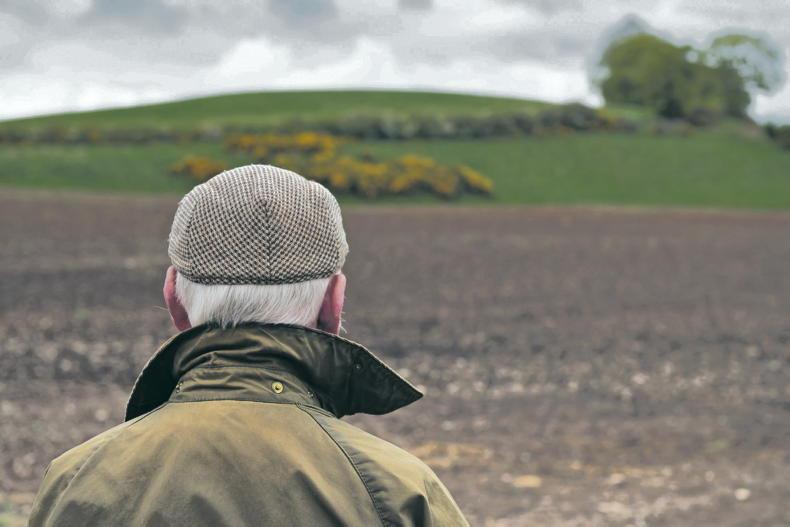
A grandchild helpfully volunteers to collect his grandfather’s pension for him every week – isn’t he good? He collects the pension, drives to the grocery store, does the shopping… except, he never really does the shopping. The only food grandson brings back is Weetabix, and any time a visitor calls into grandfather’s house, that’s all there is. Weetabix, with no milk.
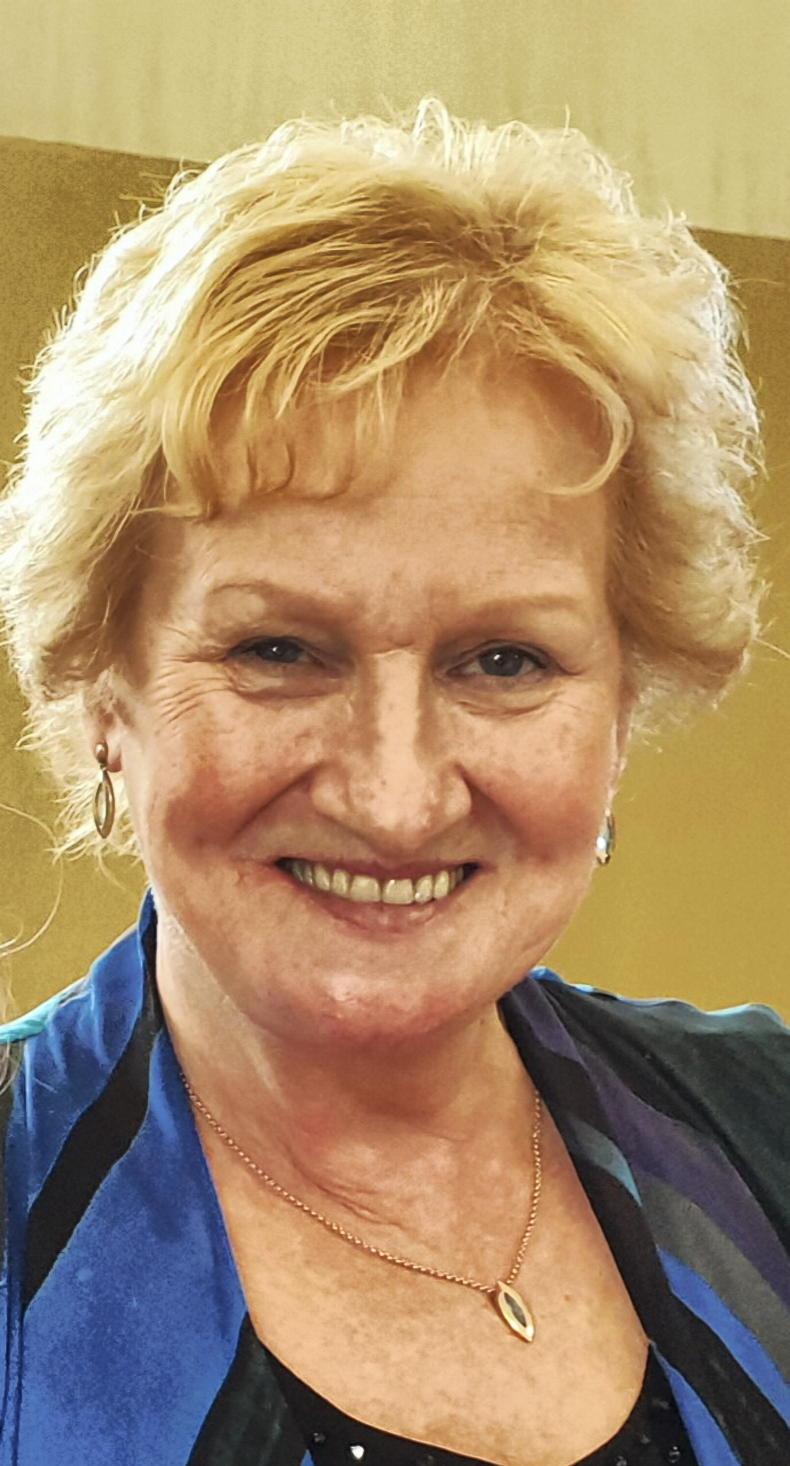
This is one of the many cases of elder abuse in Ireland that Ann Griffin has worked on throughout her career at Sage Advocacy, a national advocacy service for older people. Changing official documents, adding signatures on bank accounts, or taking money from an older relative’s purse without permission – these are all examples of elder abuse, Ann explains. Working as a regional advocate for the west and north west of Ireland, Ann has witnessed elder abuse in its many forms: economic, emotional and physical. In most cases, the abuse is happening within the older person’s own home.
Figures from the HSE National Safeguarding Office suggest elder abuse is on the rise. In 2023, there were 5,582 safeguarding notifications regarding concerns relating to adults aged over 65 years reported to the HSE. Figures for 2024 are awaiting publication. Worryingly, elder abuse is most often perpetuated by children and grandchildren who, in some cases, want to prevent older relatives from spending their money because they see it as ‘their inheritance’ being feathered away.
“I’ve seen situations where a child cancelled an order for a new car because they didn’t think dad needed a new car, and they drove to the garage and cancelled the order,” Ann recalls.
Warning signals
Pocketing an older relative’s state pension is a common form of elder abuse. “The state pension is very attractive to some people,” Ann says. “They make sure that they visit the older person on that day, they might even drive them to collect their pension. But the question is how much of that pension do they come home with?
“In a lot of cases where there’s been financial abuse, older people are giving their bank card and PIN number to somebody to get shopping for them,” she continues. “I had a case where a nephew had helped himself very nicely to an aunt’s occupational pension and indeed, several bank accounts.”
“There’s no nice name for it, it’s theft. You’re stealing from that person.”
“I think most forms of abuse are visible, if only we have eyes to see,” says Veronica Gray, ceo of Hourglass, a charity advocating against elder abuse in Northern Ireland.
“There’s a lot to be said about coercive and controlling behaviour and I think that is a real ticking time bomb,” she continues. “I think there’s more coercive control than we can possibly ever know about. And often, whenever it’s going on for a long period of time, the older person themselves doesn’t recognise it.
“When it comes to the general public, they could be seeing the signs and yet not recognising them for what they are,” explains Veronica. “Worse still, they could be explaining them as age-related issues, for example, ‘mum has lost her purse again.’ Maybe mum is hiding her purse from you because she doesn’t want you to know that she’s been pressured to give all her money to her son.”
Unexplained bruises or injuries are physical signs of abuse, Veronica points out; and emotional abuse may result in behavioural change, with an older person becoming very withdrawn. You can detect economic abuse in an older person if they no longer possess the same level of expenditure that they used to have.

Farmers at risk
Older people from rural communities are particularly vulnerable to elder abuse. A lot of farms are isolated, meaning the older person is disconnected geographically. The value of agricultural land – worth millions in some cases – is also a big thing. Land can create serious tension in families and give rise to the opportunity for abuse.
“I’ve seen situations where you had an older farmer living at the end of the road and a neighbour saw an opportunity to take advantage,” Ann says. “In this particular case, the neighbour had made an arrangement with the postman that the post would be delivered to him and he would drop it in [to the older farmer]. When I became involved, we discovered that there was actually quite a bit more to it.
“When the older person had new cattle born on the farm, those cattle have to be registered with the department. There are cards sent through from the department to register the cattle. The neighbour had access to this person’s card and then the registration of the animal may not go to the person whose herd it belonged to. They might have used that to register the cattle in their own name.”
This case, Ann explains, is an example of a few types of abuse. Certainly, financial abuse and also coercive control because the person’s post was being managed. It is also a reflection of how elder abuse is sometimes disguised behind good intentions. “Some people might say, that’s a great neighbour. He’s doing this and that for him. But the question is, what’s the underlying situation here? Has he been asked to be involved at that level?
“Farmers have a lot of valuable equipment on their land, as well as their cattle,” says Ann. “I’ve seen another situation where people started to remove farm machinery from a farmer’s land. The farmer certainly had to give permission for any machinery to be moved off his premises. He was in hospital for a period of time and somebody took advantage and thought: ‘he’s not using it.’
“I think people need to understand that if they go on to other people’s land, that they are breaking the law.”

Given the vulnerability of farmers, Pat Mellon, the national co-ordinator of the Irish Senior Citizens Parliament, says: “we have to be very careful where a scheme to encourage younger farmers, which we should absolutely have, doesn’t cause abuse of the elderly.”
The Irish Senior Citizens Parliament is a national organisation with over 200,000 members advocating for rights of older people. Pat is also a sheep farmer in Co Wicklow. “Often times these schemes are designed with the best intentions – and they’re necessary,” he adds, “but we forget about the safeguarding and often it isn’t taken into consideration. I don’t see any discussion about the safeguarding of the elderly person doing the transfer of land.”
Pressure has been mounting on the Government to bring forward a national policy on safeguarding for adults, which they committed to in the Programme for Government. This policy “is at an advanced stage and is expected to be brought to Government shortly,” a spokesperson for the Department of Health told Irish Country Living. “Subject to its approval by the Government, the policy will commit to the development of adult safeguarding legislation for the sector. The Government has included a Health (Adult Safeguarding) Bill in its current legislation programme to facilitate this.” Irish Country Living contacted Minister Kieran O’Donnell, the Minister of State with responsibility for Older People for comment.
Ann’s advice
“There is no requirement to transfer your assets to somebody else whilst you’re still alive.