


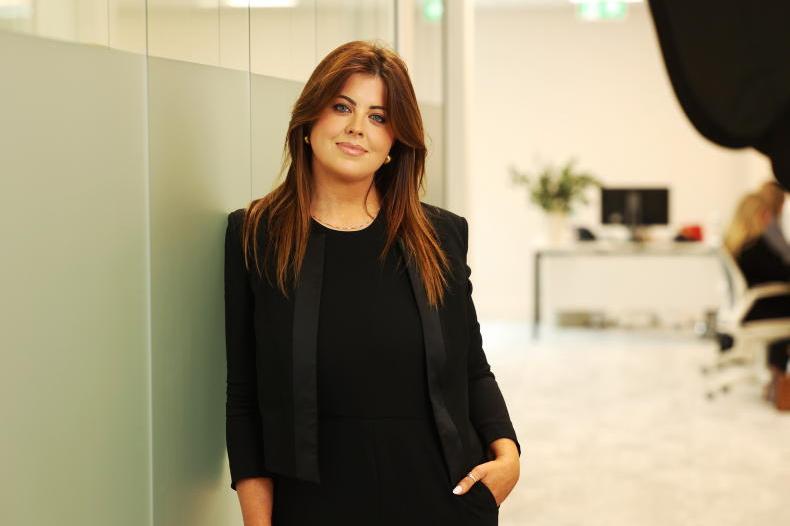
Niamh Murdock was in her mid-twenties and living in Australia when she was first diagnosed with endometriosis – a condition, according to the World Health Organisation (WHO), that effects one in every 10 women worldwide. This chronic inflammatory disease occurs when tissue similar to the lining of the womb (uterus) starts to grow elsewhere in the body.
Niamh, who had dealt with heavy periods since she was a teenager, found herself experiencing “constant periods,” she says.
“I constantly felt awful and completely unplugged – sick, bloated, everything, all the time.”
After seeking treatment from a GP a number of times, she was referred to a gynaecologist. “I was seen within two weeks [in Australia] – which is unheard of in Ireland,” she says.
“At that first appointment he said, ‘This looks like it could be endometriosis. We’re going to book you in for a laparoscopy [keyhole surgery used to diagnose and treat endometriosis]’ and that was seamless.”
As far as Niamh was concerned, that was the end of the issue but she happened to get talking to a women’s health GP about endometriosis when she was back living in Ireland. “In my mind, it was gone, I was finished with it,” says Niamh, “but she warned me that it could affect my fertility.”
As a result of that conversation, Niamh started the IVF process within a year. “My husband and I did struggle to conceive,” she says. “I knew it was going to be hard, but because of that conversation around endometriosis, I was driven to go and check.”
Niamh went on to have her first child and for a number of years, she didn’t experience any severe symptoms. “In hindsight, I would say I did have symptoms, like severe bloating and constant stomach pain, but I had accepted that this was a part of my life. I also felt an incredible tiredness, like someone had literally taken out the batteries.
“That was the biggest impact for me because you’re trying to work, be a wife and a mother and do all the things that we do as women, but you’ve got nothing in the tank.”
Recurring symptoms
Following the birth of her second child, Niamh’s symptoms worsened. It was suggested that she might be progressing towards menopause.
“I was told that could be why I was having all these symptoms, that I was ‘of an age’. I was 37 and I was 35 when I had my second son, so it just didn’t fit. But nobody mentioned endometriosis and I didn’t think of it, which is ridiculous. I was so undereducated in it, I probably didn’t realise how big and impactful it is.”
After more than two years of life-impacting symptoms, Niamh got to see a gynaecologist, who told her she had adenomyosis, which involves tissue growing inside the muscular wall of the uterus.
“It’s like the evil sister of endometriosis,” she says. “He also told me that my endometriosis was probably back. Within six months, I had to have a full hysterectomy.”
A few years ago, menopause became a big talking point, which is amazing. Let’s do the same with endometriosis. If we don’t all know what it is, we can’t be aware and support women who are going through it. One in seven is an awful lot of women
Now 41, she hasn’t experienced symptoms since. “It was the best thing I ever did but my path to being listened to and accessing the healthcare that I needed, was simply not there.
“I was still struggling through all the milestones you’d have in your life and working at the same time too. The level of ‘get on with it’ and what we expect of ourselves as women is so unreasonable.”
Today, Niamh sits on the board of Endo Ireland, a national endometriosis organisation, and is passionate about highlighting the condition.
“A few years ago, menopause became a big talking point, which is amazing. Let’s do the same with endometriosis. If we don’t all know what it is, we can’t be aware and support women who are going through it. One in seven is an awful lot of women.”
Her advice for anyone dealing with similar symptoms is to find someone who will listen. “If you’re not being listened to by your doctor, go to a women’s health doctor,” she says. “Advocate for yourself. Or find someone – your partner, your friend, your mother – that can advocate for you. You don’t have to suffer on your own. Find the community that can help you, and let’s keep talking about this.”
Improvements in care
Niamh’s hopes of a bigger conversation about endometriosis may soon be realised. There are signs that awareness and supports are beginning to improve.
Earlier this year, expanded services were announced in the Government’s National Women’s Health Action Plan 2026-2027. The National Framework for the Management of Endometriosis also aims to improve access to diagnostics, treatments, and additional supports such as pain management and physiotherapy.
In another positive move, Ireland is hosting an EU Endometriosis? Conference in December, while in the UK a ‘game changer’ saliva test to detect endometriosis is being rolled out by the NHS. As yet, the HSE hasn’t announced any plans to roll out a similar scheme here, but a saliva test is available privately in a number of clinics across the country. See endotest.ie for more information.
A quicker diagnosis will be good news for many women as currently it can take years to get one. According to Endo Ireland, while there are no Ireland-specific statistics, internationally there is a delay of eight or more years from an individual first seeing a doctor about their symptoms to receiving a firm diagnosis.
“One of the biggest issues is how long women can take to get to a diagnosis because menstrual pain can be disregarded or under-investigated, or it can be difficult to see endometriosis on an ultrasound,” says Dr Maebh Horan, consultant obstetrician and gynaecologist in the National Maternity Hospital, Merrion Fertility Clinic and Blackrock Health Women’s Health Centre.
“That’s often the history we’ll hear from women. They’ve had bad periods all their lives, have been on multiple forms of hormonal contraception, never really had a formal diagnosis, but have suspected an issue for ages.”
“It’s also very variable in its presentation, which makes it tricky. It often presents with menstrual pain, but also non-cyclical pain, or it can present for the first time as infertility.
“It’s most often in the pelvis but it can be within the ovaries, the pelvic cavity or in the uterus itself.”
Given how it can impact people in different ways, and at different stages of life, there is no ‘one size fits all’ treatment for endometriosis.
“This is the hard part because it could be very different for each person,” says Dr Horan. “You can have absolutely no symptoms and just have this picked up on investigations for fertility and then your treatment options would be very different.”
GPs can prescribe painkillers and anti-inflammatory drugs to help with pain management. They can also prescribe hormonal contraceptives, such as the oral contraceptive pill or Mirena coil, to manage symptoms.
In some cases, endometriosis tissue can be removed (excised) or destroyed (ablated) via laparoscopic keyhole surgery. Patients waiting on consultant-recommended endometriosis surgery in Ireland may qualify for the Endometriosis Surgery Abroad Interim Scheme (ESAIS). This HSE-run programme provides funded surgery abroad for eligible patients and there is further information available on hse.ie.
An unsung hero of endometriosis treatment is physiotherapy, says Dr Horan.
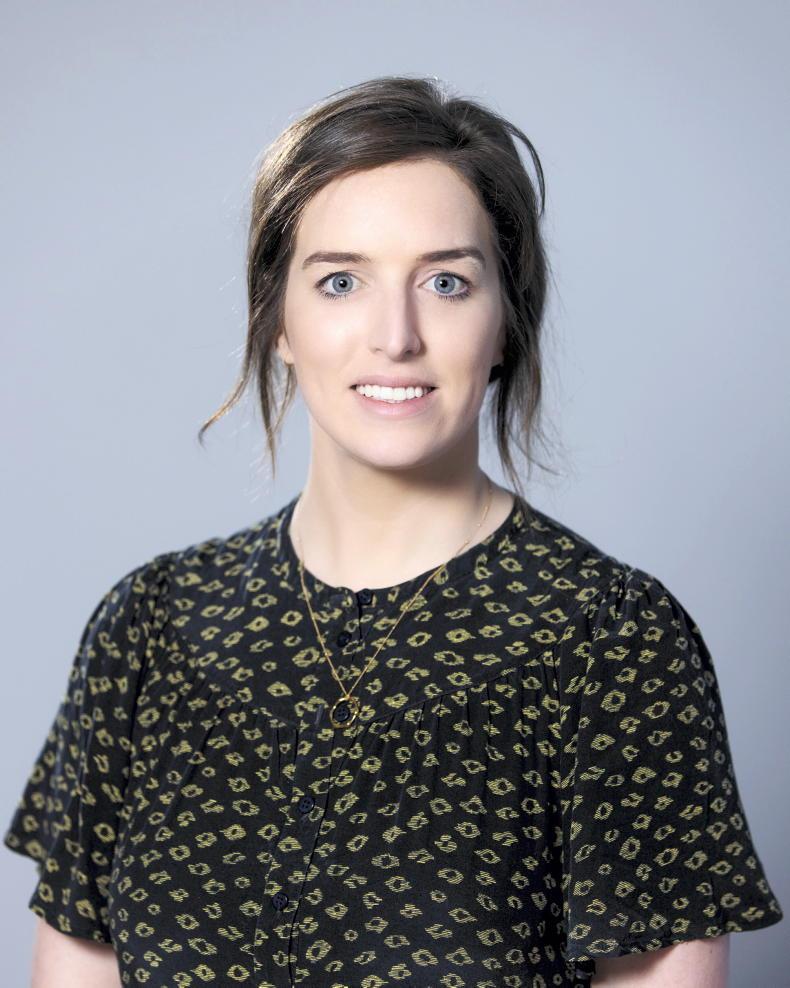
“Often, if you’ve lived with chronic pelvic pain, you hold your pelvis very differently. Working directly with the pelvic floor and some myofascial release techniques to reduce that pain can be really helpful.”
Dr Horan also recommends an anti-inflammatory Mediterranean diet, which could reduce endometriosis-related pain.
“That’s a diet rich in fibre, lean proteins and healthy fats, and avoiding processed foods, red meats and sugary drinks. I often add in the likes of omega-3 and vitamin D, which you can benefit your diet as well.”
Looking to the future, one development Dr Horan is particularly positive about is advances in ultrasound.
“We’re improving our technique and our ability to read ultrasounds. Our machines are getting better too, in the same way that MRI is.
“If we can improve our non-invasive diagnostic measures, getting women to a diagnosis quicker, I think we’ll get them to treatment quicker.”
For now, Dr Horan’s advice to anyone struggling with debilitating periods is simple.
“I think that’s something we do put up with as women, but you shouldn’t have to live with bad periods. If it’s something that’s affecting your quality of life, I would have it investigated.”
See endometriosis.ie

