



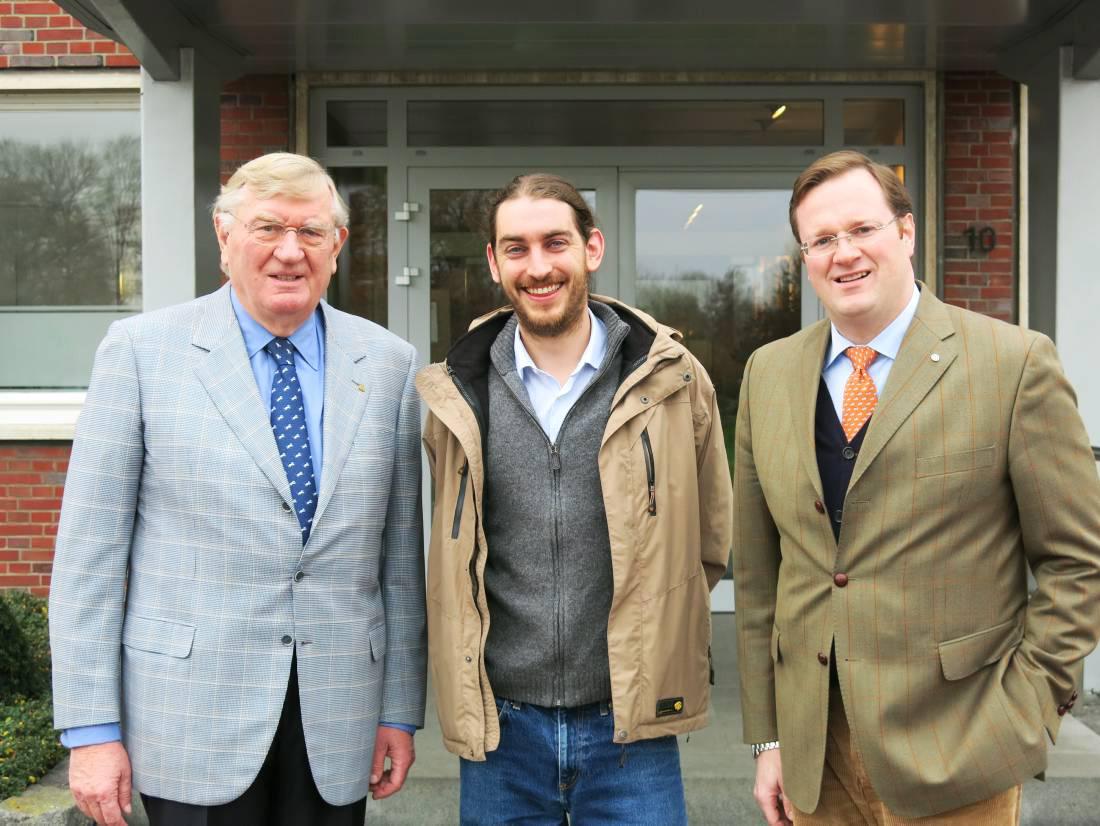
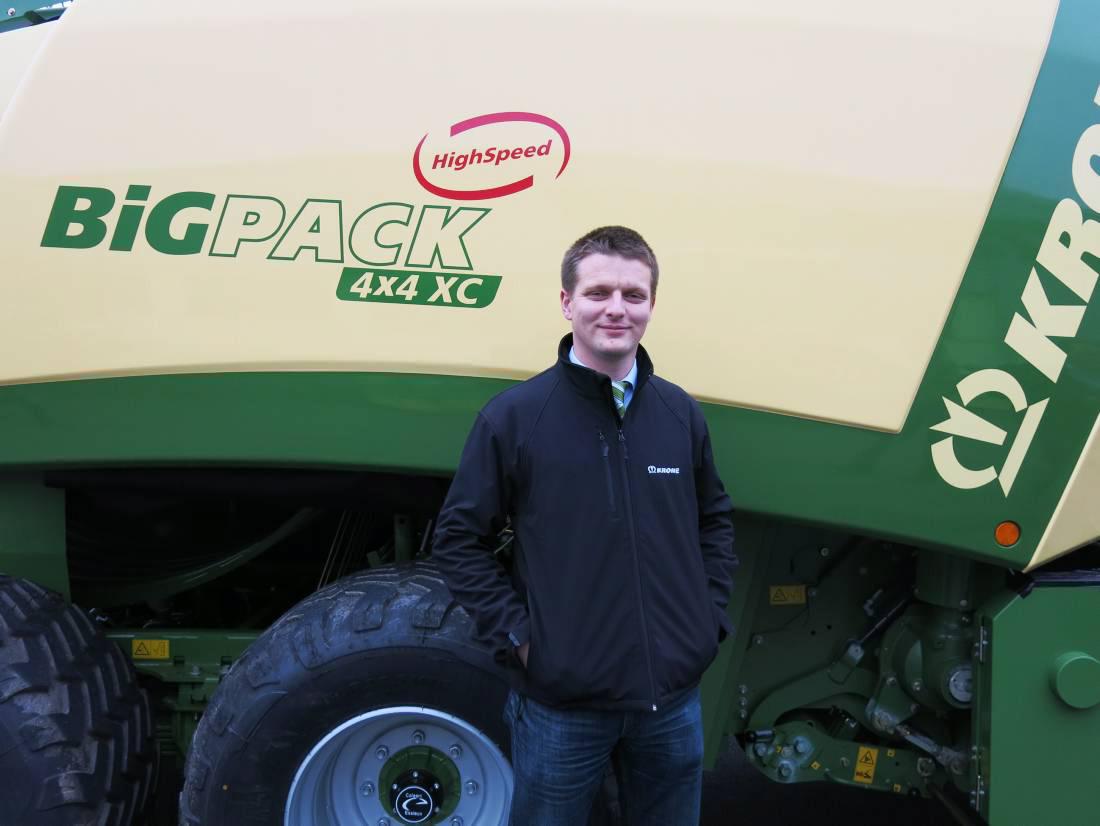
In 1906, a master smith named Bernard Krone settled in the small village of Spelle in northern Germany. Krone is still based in Spelle and remains a family-owned business, and Bernard Krone, the current CEO, is the fourth generation of the family at the helm of this much-respected brand. Krone started in the agricultural business in 1930 manufacturing light cultivation equipment.
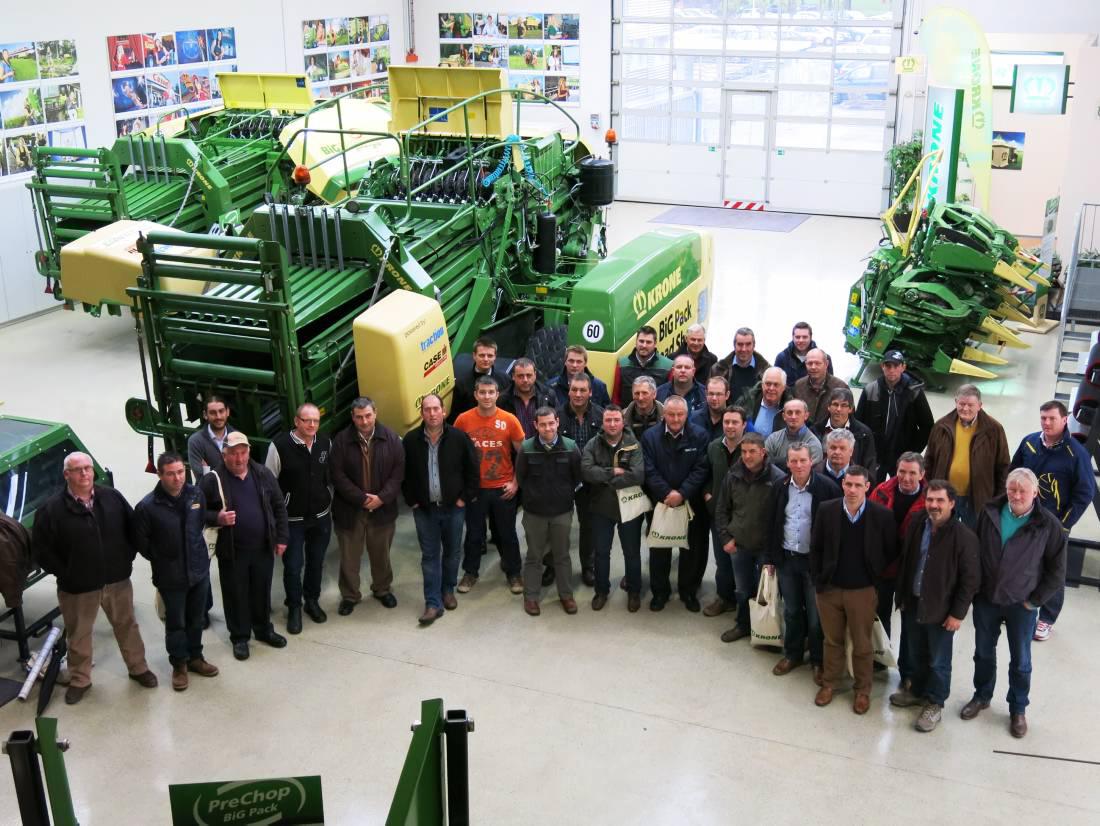
This is the first time that I have had the opportunity to visit the Krone factory. I underestimated the size of the factory, the output of the facility, and the number of products that Krone produces. There are about 2,500 people working for the company. Manufacturing truck trailers and agricultural equipment is their core business.
19% of the workforce is involved in research and development, with the company spending €37m each year to develop new products. This year has also seen the opening of the new €14.5m Krone technology centre employing nearly 500 people. The company this year has generated a turnover of just over €1.6bn.
The resounding message that echoes through the corridors at Krone is that this firm is not for sale at any price. Why would they sell when the company can produce all the equipment for sale for the coming year out of company cash, and wait for the sales. The ambition of this company is to increase its market share globally from 11% to 20% by 2020.
The really interesting part was to meet an actual boss and owner who is very much hands-on with the business.
Bernard – how much do you know about Ireland and the farmers and contractors over here?
I know quite a bit actually – we are very good friends with the Scrivener family who own Farmhand. As part of our training both myself and my dad Bernard senior have spent many weeks in the workshop dealing with service calls and getting to know the Irish roads. Ireland is a great place to test new grass machinery. The volume of grass on the fields in Ireland far exceeds that in many parts of Europe. I am also a qualified mechanic trained in Ireland.
We hope that our products will help farmers achieve their goals, especially in the predicted development of the dairy industry after 2015.
What is your view on agriculture at the moment?
For us it is important that agriculture is performing well – it is our core business. Investment is important to both us and the farmer to succeed into the future. If we look at the figures in Germany, in the past one farmer could provide enough food for two or three families. Today one farmer has the potential to feed 1,000 families in Germany. This has been achieved by ongoing developments by both machinery manufacturers and farmers. We are very innovative people on both levels. We will have to be as our world population is growing.
What do you see as a problem for agriculture now and into the future?
Food is far too cheap at the moment, and farmers are feeling the burden of this. Everybody wants quality traceable products for their family, but at the lowest price possible. There is high cost [in producing] that food, by the farmer investing in land machinery and buildings. If farmers didn’t do this, there would be far more hungry people in this world. The next challenge for the farmer is sustaining the environment for us and everybody in the future. This will also cost money to achieve. The development of renewable energy and crops to feed that process are now also dependant on farmer knowledge and skills. The problem is that farmers are not getting enough money for their quality products and are now expected to do more.
Have you considered any alternative forms of power for the engines in the Krone range?
Currently we are using MAN and Mercedes power units complying with all of the emissions regulations. At the moment, I do not see a standout clear option that we can use reliably. The system of the future is not here yet. But when it is we will put the best solution in our machines.
We have had a very sad year in Ireland in relation to farm accidents – what in your opinion can we do?
Farming is a business which has a varied level of skills required and risks involved. At Krone, when we design our machines, we always try building them in a safer more user-friendly manner. This is only one part that can be solved. How the machines are operated afterwards is vital. Every apprentice who starts work in the factory is put through a rigorous training programme before entering the workplace. This is vital – if we know how to do it the correct way, then we know it is the safest way also. The machines are bigger and faster now compared to 30 years ago, but they are also a lot safer. Improved guards and cabs for operators are just a couple of examples. To operate these machines correctly and safely, training is the only solution. Skilled trained operators can reduce accidents and avoid danger. Everybody has a responsibility to get this message out to the operators.
What is your view on when to start young people working on farms?
It is not a question of age for me. If the farm is safe, and they are in the presence of a trained professional in a safe environment – that is my biggest concern with young people on farms. It is vital that young people do not lose their connection with the land. They have to learn their business like I did from my father; this is crucial to succession and for the future of the farm. It is not a business where you wake up some morning and decide to be a farmer. It is a lifelong process developed and nurtured from an early age.
Finally Bernard, what is your favourite Krone machine at the moment?
For me it has to be the Krone Ultima baler. This non-stop baling and wrapping combination machine produces up to 50% more bales per hour, reducing time and fuel. This machine also received a gold medal at Agritechnica. There is potential for this machine to operate successfully in Irish conditions.


SHARING OPTIONS