


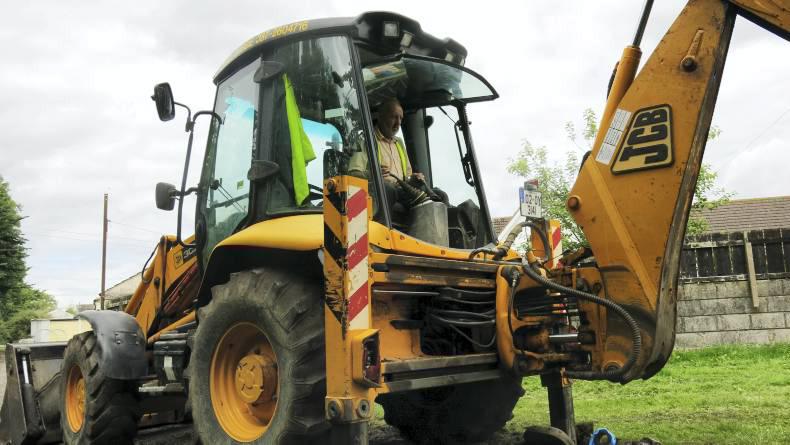
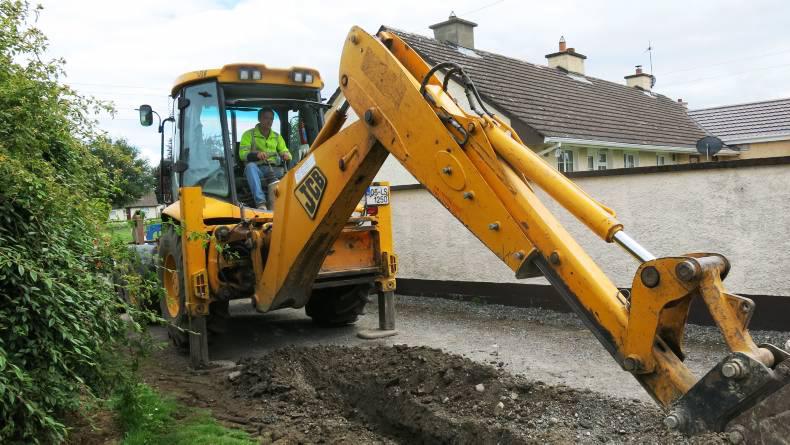
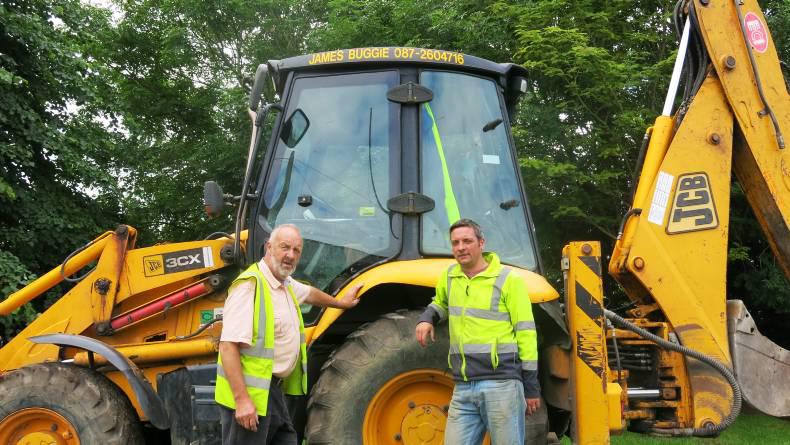
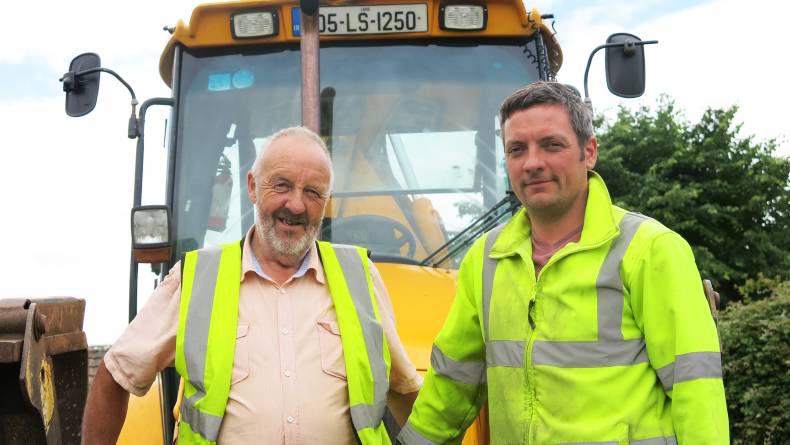
Jimmy Buggie started his own plant hire business 39 years ago, having worked for eight years previously for another contractor. The one common machine throughout this time has been the JCB 3CX.
Jimmy has more experience than most with the brand. In 1977, he bought his first JCB 3CX secondhand. Noise and access to the cab was the only gripe with the machine. The first new machine he bought came in 1987 and it was the 3CX Sitemaster model.
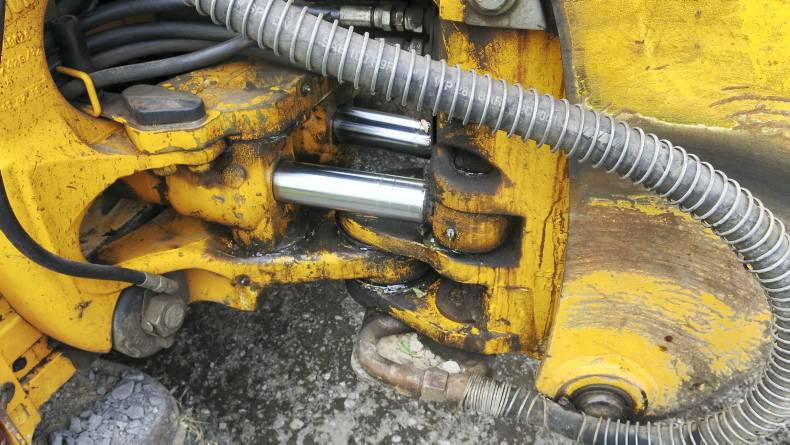
Jimmy recalls that the cab was much improved. The split bucket on the front and the telescopic back-actor were all great improvements by JCB. He did have trouble for a while with the rams pitting and the seals going on the machine. Other than that it was trouble-free. The JCB was bought for 27,000 punts at the time. Jimmy explains that in the Mark I JCB before the power shift transmission was introduced, he could change a clutch himself in two hours. The machines were fixed at night to be ready for work the next day.
The present day
Jimmy is still the owner driver, and his son Donal joined him in 2007. At that time the Celtic Tiger was still roaring along. The main JCB 3CX was changed in 2005, and a second 2002 3CX contractor specification was also bought during that time.
The workload was high and added to the fleet was a Hitachi Zaxis 160, and a 2005 JCB Fastrac to go with the Case 5150 for haulage work. Both machines have given excellent service, according to Jimmy. The turbo did go in the Hitachi after a while but there was no other notable trouble. The main duty of the Fastrac 185-80 is hauling the Tony Gray dump trailer and the Hitachi on the low-loader. Jimmy explains that the tractor is great for the work he is doing. It is very steady on the road. He does recommend keeping the one driver on it, as simple trouble with electrics and the gears sometimes can occur. The tractor has well over 10,000 hours. During this time, the turbo has been replaced, as have the seals in the gearbox.
Maintenance
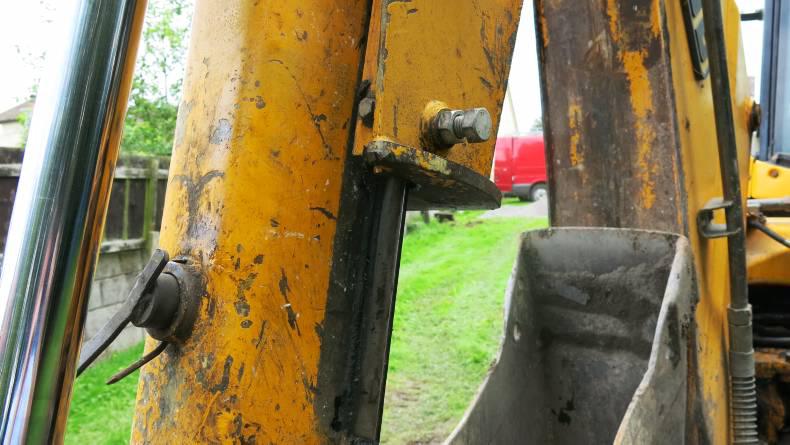
Grease, grease and more grease is the life of the JCB, according to Jimmy. The wearing parts on the back-actor are all greased at regular intervals. In all, there are approximately 56 grease nipples on the 3CX. Both of the machines have Perkins engines; the newer models now have their own JCB power plants. The engine on the 2002 machine was partially overhauled a year ago with over 12,000 hours on the clock. A new set of liners and pistons were required, but the crankshaft conrods and bearings were perfect, recalls Jimmy. Not bad for a machine with 12,000 hours.
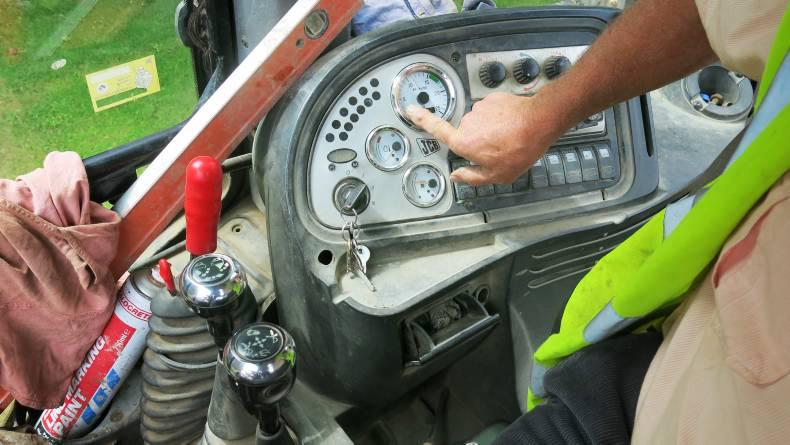
The 90hp engine on the 3CX drives the major components on the hydraulic system. The hydraulic pump has never been touched on either JCB so far. Neither has the powershift transmission. The one downside for the 2005 JCB model, according to Donal, is the fuel consumption on the road; the newer 3CX has an ECO mode reducing engine RPM in the road gears.
Most of the maintenance tasks are easy to carry out on the machines, according to the lads. The pins, bushes and shims are easily replaced and not that expensive. The trick is to replace them to prevent wear in the loader and back-actor. For parts, Jimmy has found ECI very good. If the order is in before 3pm, the part will be delivered the next day. Ronan Kelly in Borris-in-Ossory carries a good selection of spare parts also, according to Jimmy. The JCB parts are relatively good value when compared to other brands, and they are accessible and quick to get, adds Jimmy. This is very important as idle machines don’t make money.
Improvements
The best improvement over the years has been the addition of the soft-ride features to the loader. Jimmy recalls bouncing down the road on the older generations of the machine. The cab is also much more comfortable with a lot less noise compared to the 1977 machine. The sliding deeper on the back actor is another great feature on the newer machines, adds Jimmy. The Sitemaster JCB was a big improvement all round.
At the moment, there are no plans for any replacements. When the workload was constant, the machines were changed every two to three years. The philosophy engaged by Jimmy and Donal at the moment is to keep the existing machines maintained and working as long as possible. Jimmy adds that it is very hard to manage cashflow for repayments if there is no guaranteed work on the horizon.
After a couple of slack years, the lads are back on track. There seems to be a little more work out there for the future. Traffic planning and road management are now big parts of the job when tendering for work.
Advice for farmers buying a 3CX
The overall condition of the machine must be looked at. Watch out for wear on the moving parts and a lack of greasing. Excessive black smoke could be engine trouble. Check that all the controls are functioning correctly. The 2005 3CX still commands a good price secondhand. Expect to pay €25,000-€30,000 for good-quality machines.


SHARING OPTIONS