


Farmers and contractors will be facing new regulations dictating the length of time that they or their drivers can operate machines under the Regulation 139 of Health and Safety regulations that form part of Article 9 of EU Directive 2002/44/EC.
While the whole body vibration (WBV) directive was agreed in 2007, farming was allowed derogation until 6 July, after which the Health and Safety Authority will be enforcing the regulations.
The British Health and Safety Executive reports that WBV is the vibration and shock you feel when you sit or stand on a vehicle or machine travelling over rough ground or along a track, or the vibration when you work near powerful machinery, such as milling machines. Shocks can occur, for example, when driving over bumps or potholes.
Back pain
Exposure to WBV at low levels is unlikely on its own to cause back pain, but it can aggravate existing back injuries that may cause pain.
Teagasc health and safety officer John McNamara said that, to comply with the regulation, farmers and contractors will need to control the risks by a combination of identifying how and when people may be exposed, minimising the exposure by implementing control and providing information, instruction and training to those at risk.
The British HSE claims that to comply with the WBV regulations, there will be a requirement to limit the time drivers spend on certain duties. These include limiting the time allowed for any one operator to drive a tractor and trailer that does not have cab or front axle suspension, to 4.5 hours per day.
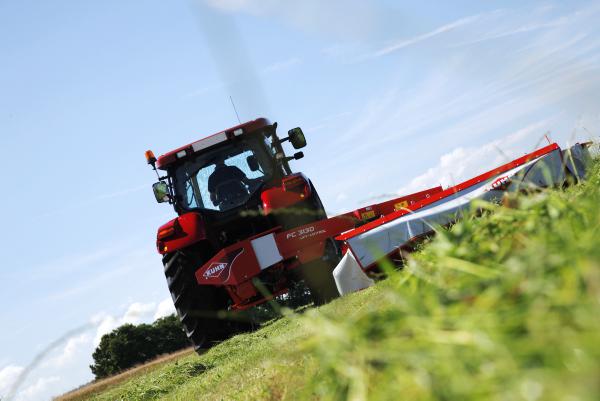
The British HSE also claims that the regulations will limit the daily operator time for primary cultivation to 5.5 hours, mowing to eight hours and tedding to five hours.
The regulations will put additional pressure on machinery operators by limiting the working day, adding to operating costs.


SHARING OPTIONS