Many farmers have open slurry lagoons into which scrapers push slurry. This can be a simple way of moving slurry with low set-up and running costs and everything run automatically on timer switches.
However, it is also a point of great potential danger. Some farmers use just hinged gates as the barrier at the passage ends, to keep cows from approaching the open pit.
Cork dairy farmer Dermot O’Connell contacted me recently for a chat about this issue. Dermot, who farms at Caherduggan, Mallow, pointed out that this setup is a danger to the farmer or farm worker. It can occasionally happen that a scraper gets caught at the edge of passage slab and then the farmer has to go free it. If there is no barrier and fencing at the slab end, then there is risk of the farmer slipping and falling into the slurry pit.
The combination of slurry with rain or frost is dangerous.
Dermot has an open lagoon in his own yard, built in 2008 by Waterford company Lining Services Ltd. Three cross scrapers feed slurry to one long scraper, which pushes it into the lagoon.
Fencing around the lagoon was installed by Dungourney-based Brian Duncan Fencing. Dermot asked Brian to make safe the end of the scraper run, at the lagoon, and this was duly done. I asked Dermot if we could get a photograph to show other farmers and he was more than happy to oblige.
Picture one
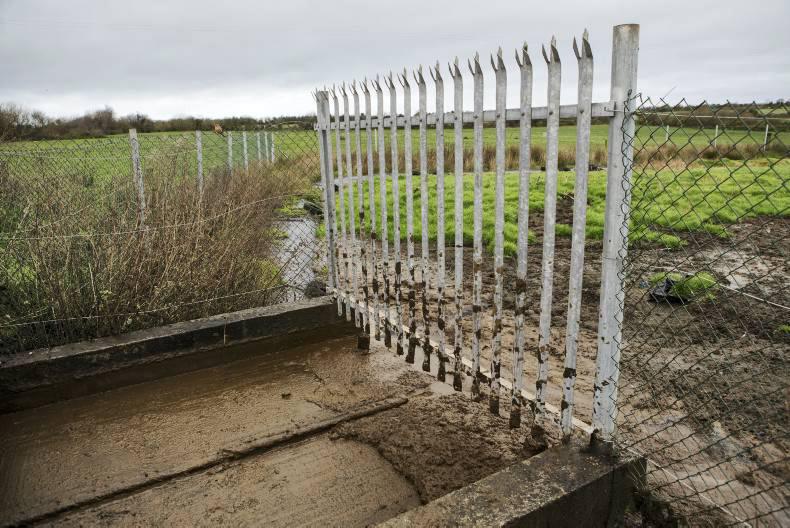
Brian Duncan erected this section of steel palisade fencing at the end of the scraper run. A length of 100mm (4in) steel tubing was placed on each side, secured into the shuttered concrete wall, and the fence section is attached to them. Duncan brought the lagoon perimeter fencing in to meet this barrier. This means that there is no way for anyone to easily get access to the open lagoon. The fence has 6ft high wire mesh.
Picture two
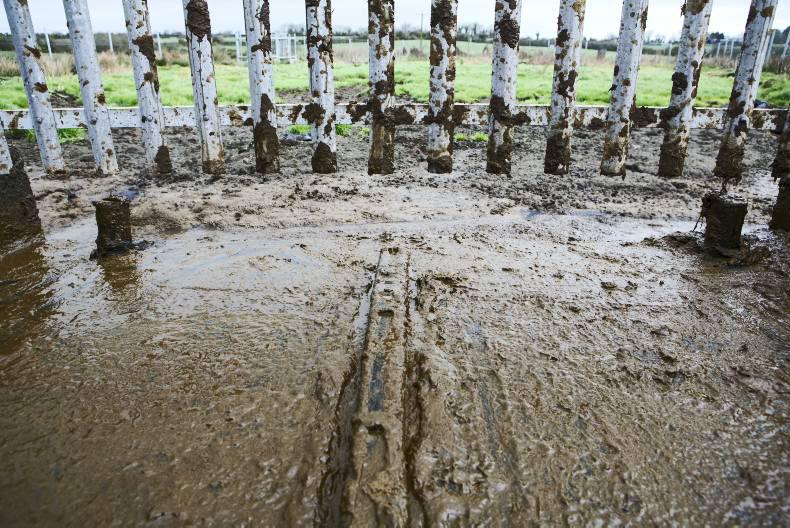
The fence section was raised high enough to allow the scraper pass underneath. The two 6in pieces of tubing, set in the slab, act as stops for the scraper.
Picture three
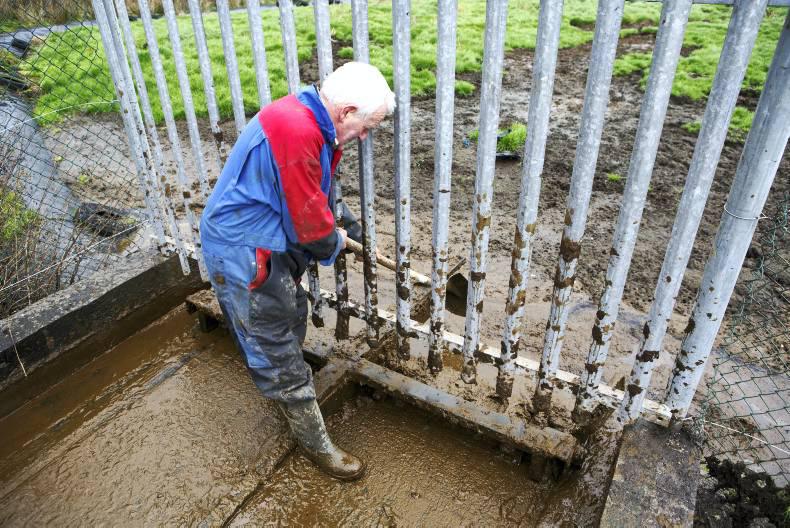
The scraper will occasionally get caught at the edge of the slab or lose contact with the moving track. Here, Dermot showed us how he then would have to free it. Without the barrier, doing this would place him in a risky situation.
Picture four
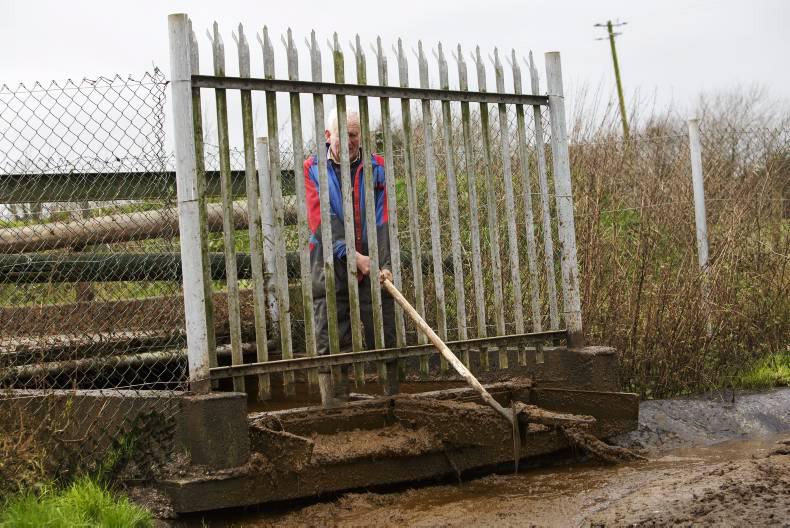
Without the barrier, having to lean out to lift up the leading point of the scraper would be dangerous.
Picture five
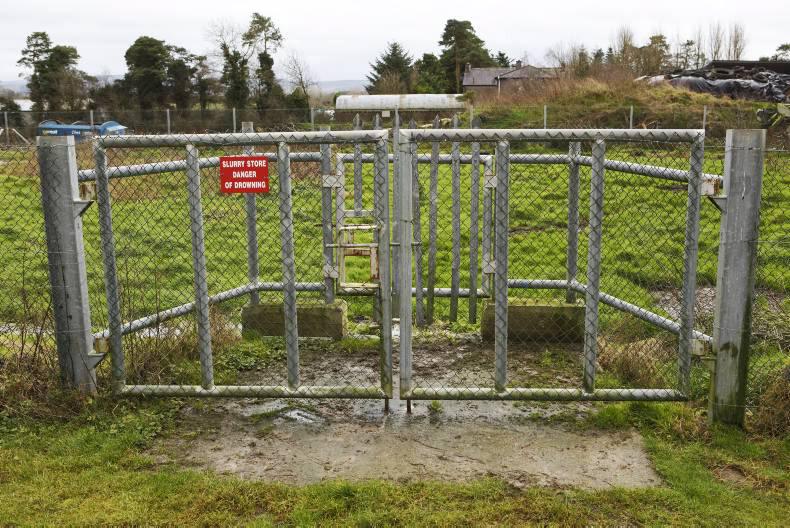
Dermot emphasises the importance of having adequate fencing all around a lagoon. This fence was well made with strong girders providing support. This emptying point has wheel stops and an internal fence for the safety of a tanker driver. It also has locking gates to keep animals or children out.
Many farmers have open slurry lagoons into which scrapers push slurry. This can be a simple way of moving slurry with low set-up and running costs and everything run automatically on timer switches.
However, it is also a point of great potential danger. Some farmers use just hinged gates as the barrier at the passage ends, to keep cows from approaching the open pit.
Cork dairy farmer Dermot O’Connell contacted me recently for a chat about this issue. Dermot, who farms at Caherduggan, Mallow, pointed out that this setup is a danger to the farmer or farm worker. It can occasionally happen that a scraper gets caught at the edge of passage slab and then the farmer has to go free it. If there is no barrier and fencing at the slab end, then there is risk of the farmer slipping and falling into the slurry pit.
The combination of slurry with rain or frost is dangerous.
Dermot has an open lagoon in his own yard, built in 2008 by Waterford company Lining Services Ltd. Three cross scrapers feed slurry to one long scraper, which pushes it into the lagoon.
Fencing around the lagoon was installed by Dungourney-based Brian Duncan Fencing. Dermot asked Brian to make safe the end of the scraper run, at the lagoon, and this was duly done. I asked Dermot if we could get a photograph to show other farmers and he was more than happy to oblige.
Picture one
Brian Duncan erected this section of steel palisade fencing at the end of the scraper run. A length of 100mm (4in) steel tubing was placed on each side, secured into the shuttered concrete wall, and the fence section is attached to them. Duncan brought the lagoon perimeter fencing in to meet this barrier. This means that there is no way for anyone to easily get access to the open lagoon. The fence has 6ft high wire mesh.
Picture two
The fence section was raised high enough to allow the scraper pass underneath. The two 6in pieces of tubing, set in the slab, act as stops for the scraper.
Picture three
The scraper will occasionally get caught at the edge of the slab or lose contact with the moving track. Here, Dermot showed us how he then would have to free it. Without the barrier, doing this would place him in a risky situation.
Picture four
Without the barrier, having to lean out to lift up the leading point of the scraper would be dangerous.
Picture five
Dermot emphasises the importance of having adequate fencing all around a lagoon. This fence was well made with strong girders providing support. This emptying point has wheel stops and an internal fence for the safety of a tanker driver. It also has locking gates to keep animals or children out.





SHARING OPTIONS