

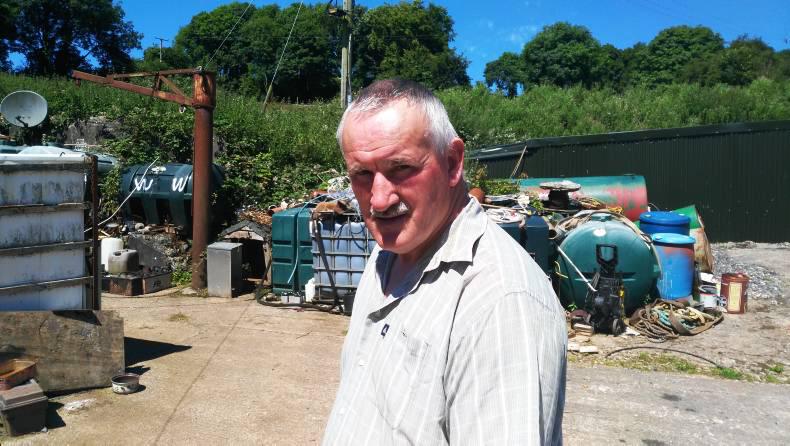
Frank Ryan from Fedamore, Co Limerick, is an extremely interesting man to talk to and is a mine of information.
Frank was involved in the “Great Digger Challenge” in 2012, where a group of men got together to resurrect a digger that was submerged in a bog since 1992.
The challenge was a success and after two days they removed the digger from its resting place, raising a lot of money for charity in the process.
ADVERTISEMENT
The Irish Farmers Journal recently called to Frank’s home to see firsthand some of the ideas he wants to share with a wider audience to make life easier for people. Frank is not interested in financial gain from his ideas and says he would just like to see them being taken up and developed further for everyday use. His ideas range from water pumps to flood defences for houses. This article briefly outlines some of Frank’s ideas.
Piston pump
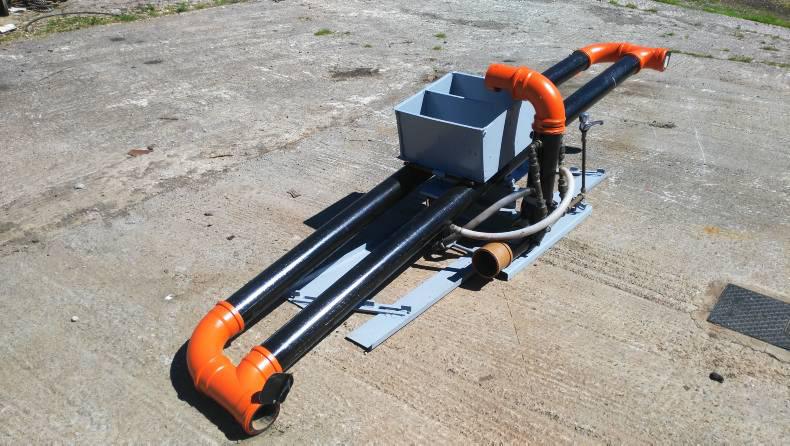
Frank showed me a piston pump which he used successfully in a river on his land. He says piston pumps are not a new invention but are generally not used today and he is hoping that they will see a revival.
The piston pump works from the energy of the water itself. The water from a river enters a four-inch pipe at the front of the pump.
From there, the water enters one of two chambers, these chambers are on top of the pump and are connected to the two wings on either side. The wings on the piston pump are similar to a seesaw and they make an up-and-down movement. When one chamber is full, the wing will automatically tilt down. As it tilts, water slowly makes its way out of the wing pipe. When all of the water empties from one wing, the other wing fills with water.
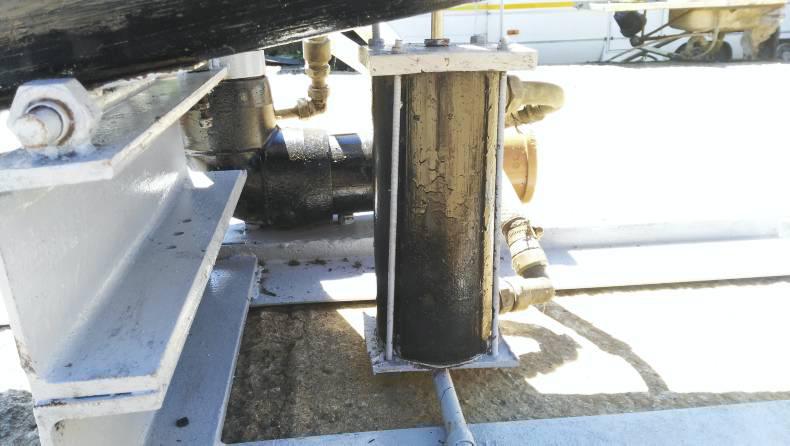
A piston pump is driven by the up-and-down movements made by the seesaw wings. This piston ram pump pumps the water with each stroke. When it goes down, it pumps water and it also pumps water when it is on its way up.
A series of non-return valves also help to make the system a success. The principle of the system depends on the rate the water pumps at, which is managed by the flow of the water, the height of the chambers and the length of the wing piping.
Window washer refill
Frank described a method designed to fill your car window washer using nature.
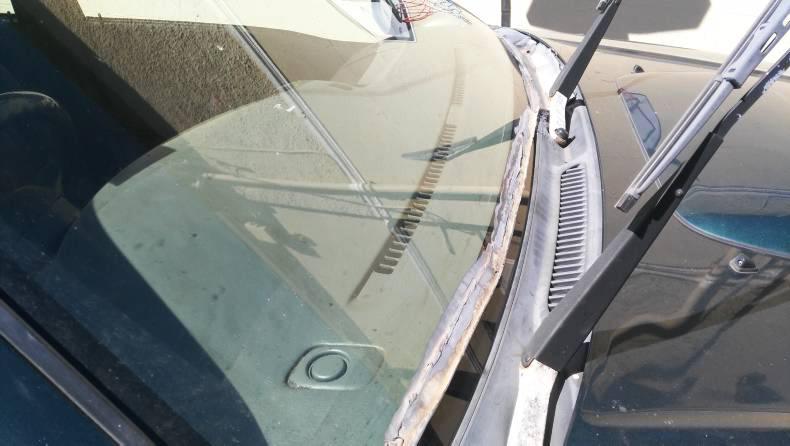
He designed a crude method of harvesting rainwater by creating a shoot or a lip at the base of the front windscreen.
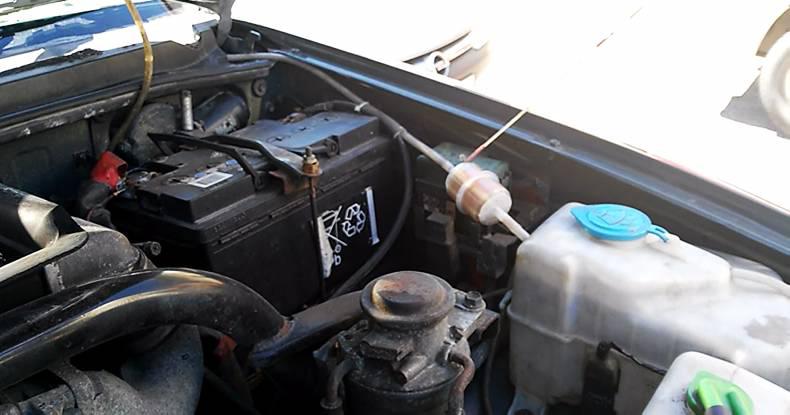
The bulk of the water that falls on the windscreen is caught by this shoot and is directed to an entry pipe under the car bonnet.
From there, the rainwater is piped to the window washer tank. Before it enters the washer tank, it is filtered to remove any dirt or scum that may come from the windscreen. Windscreen wash can be added to the tank via the inlet pipe, eliminating the need to open the car bonnet.
Frank has also made an overflow from the windscreen water tank, so that once it is full the water simply flows away.
He believes that car manufacturers could use a similar system by creating a plastic channel mould underneath the windscreen to direct water to the windscreen tank.
“It is much safer in my opinion to have a tank always full and it saves people who do not like opening the front bonnet from having to do so,” Frank explains.
Watch the full video here:
Register for free to read this story and our free stories.
This content is available to digital subscribers and loyalty code users only. Sign in to your account, use the code or subscribe to get unlimited access.
The reader loyalty code gives you full access to the site from when you enter it until the following Wednesday at 9pm. Find your unique code on the back page of Irish Country Living every week.
CODE ACCEPTED
You have full access to the site until next Wednesday at 9pm.
CODE NOT VALID
Please try again or contact support.
Frank Ryan from Fedamore, Co Limerick, is an extremely interesting man to talk to and is a mine of information.
Frank was involved in the “Great Digger Challenge” in 2012, where a group of men got together to resurrect a digger that was submerged in a bog since 1992.
The challenge was a success and after two days they removed the digger from its resting place, raising a lot of money for charity in the process.
The Irish Farmers Journal recently called to Frank’s home to see firsthand some of the ideas he wants to share with a wider audience to make life easier for people. Frank is not interested in financial gain from his ideas and says he would just like to see them being taken up and developed further for everyday use. His ideas range from water pumps to flood defences for houses. This article briefly outlines some of Frank’s ideas.
Piston pump
Frank showed me a piston pump which he used successfully in a river on his land. He says piston pumps are not a new invention but are generally not used today and he is hoping that they will see a revival.
The piston pump works from the energy of the water itself. The water from a river enters a four-inch pipe at the front of the pump.
From there, the water enters one of two chambers, these chambers are on top of the pump and are connected to the two wings on either side. The wings on the piston pump are similar to a seesaw and they make an up-and-down movement. When one chamber is full, the wing will automatically tilt down. As it tilts, water slowly makes its way out of the wing pipe. When all of the water empties from one wing, the other wing fills with water.
A piston pump is driven by the up-and-down movements made by the seesaw wings. This piston ram pump pumps the water with each stroke. When it goes down, it pumps water and it also pumps water when it is on its way up.
A series of non-return valves also help to make the system a success. The principle of the system depends on the rate the water pumps at, which is managed by the flow of the water, the height of the chambers and the length of the wing piping.
Window washer refill
Frank described a method designed to fill your car window washer using nature.
He designed a crude method of harvesting rainwater by creating a shoot or a lip at the base of the front windscreen.
The bulk of the water that falls on the windscreen is caught by this shoot and is directed to an entry pipe under the car bonnet.
From there, the rainwater is piped to the window washer tank. Before it enters the washer tank, it is filtered to remove any dirt or scum that may come from the windscreen. Windscreen wash can be added to the tank via the inlet pipe, eliminating the need to open the car bonnet.
Frank has also made an overflow from the windscreen water tank, so that once it is full the water simply flows away.
He believes that car manufacturers could use a similar system by creating a plastic channel mould underneath the windscreen to direct water to the windscreen tank.
“It is much safer in my opinion to have a tank always full and it saves people who do not like opening the front bonnet from having to do so,” Frank explains.
If you would like to speak to a member of our team, please call us on 01-4199525.
Link sent to your email address
We have sent an email to your address. Please click on the link in this email to reset your password. If you can't find it in your inbox, please check your spam folder. If you can't find the email, please call us on 01-4199525.
ENTER YOUR LOYALTY CODE:
The reader loyalty code gives you full access to the site from when you enter it until the following Wednesday at 9pm. Find your unique code on the back page of Irish Country Living every week.
SHARING OPTIONS