


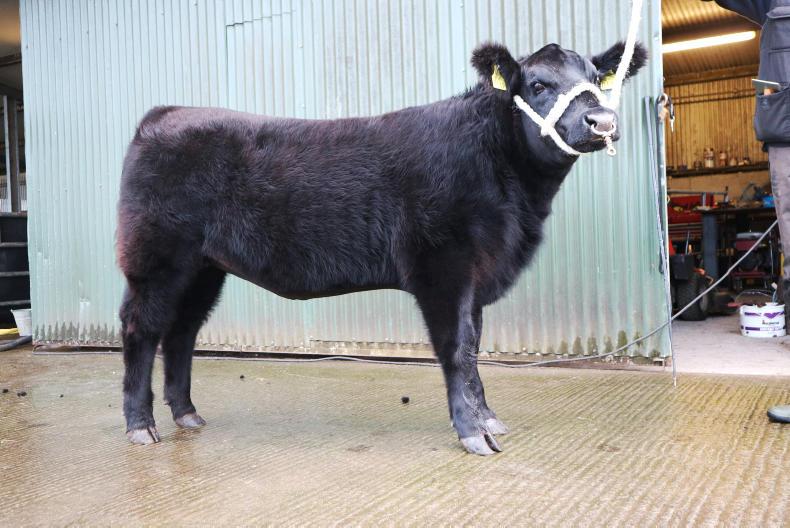
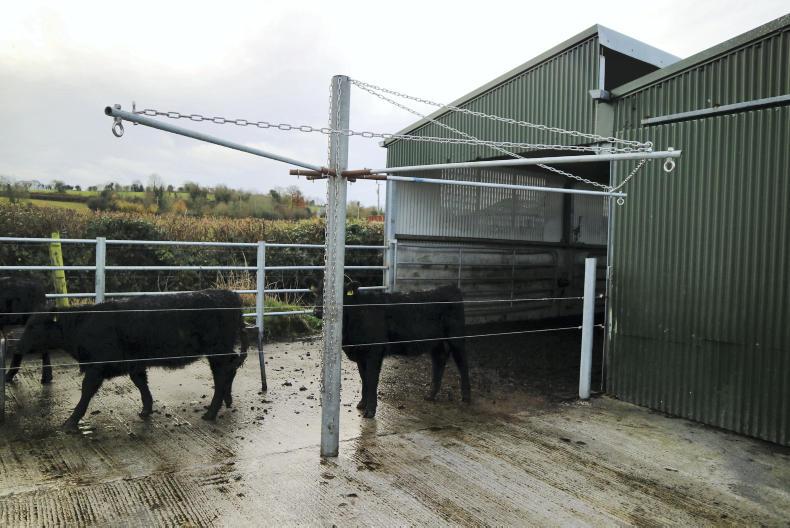
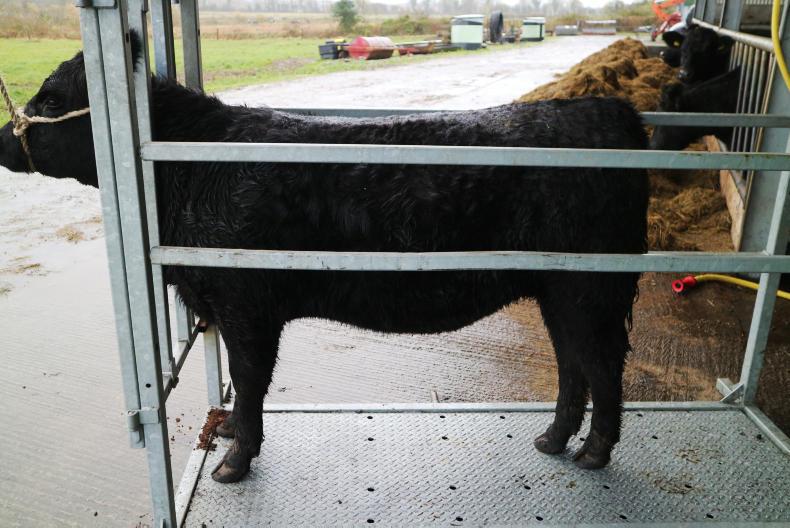
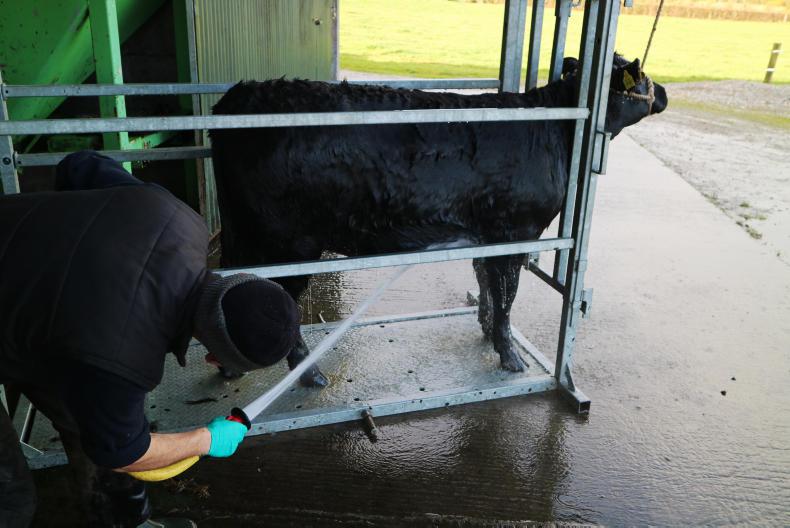
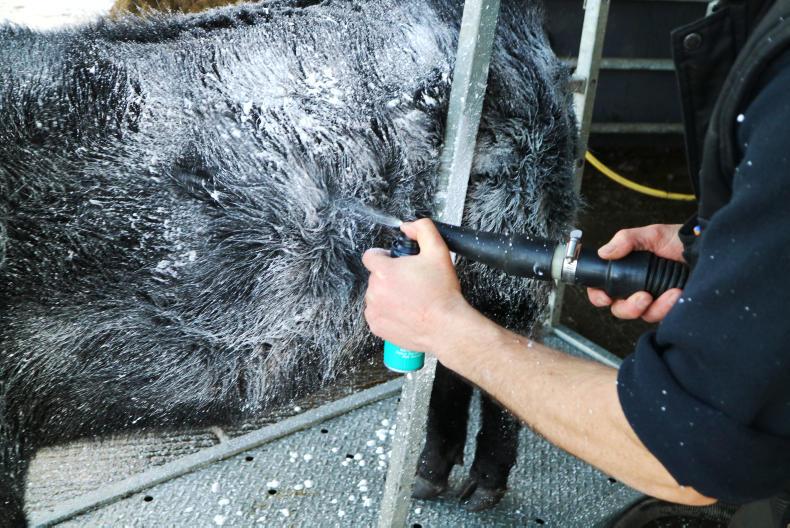
When the animal is comfortable with walking and being handled with a halter, you can start the washing procedure. This job is much easier and safer when a specially designed handling crate is used. The crate pictured has a number of safety elements that reduce the chances of the animal either kicking you or swinging around during washing.

The head gate in front can be opened easily if the animal was to ever go down during the washing process. A folding arm with a hook on top of the crate allows the animal to be securely restrained during the procedure. Always use a running safety knot when tying an animal like this in case they need to be released quickly.

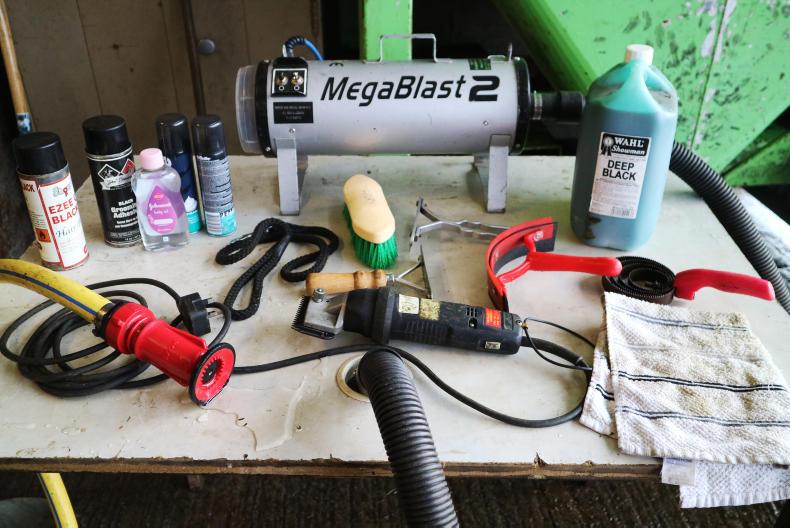
Having the correct equipment to hand makes all the difference when preparing an animal for a show. The fundamental equipment includes a halter, water, a blower and clippers. The cost of a new blower ranges from €150 to €550 for more powerful units. Good quality clippers range from €170 to €470. After that a scrubbing brush, a circular comb, curry comb, a squeegee, a towel, shampoo, shaving foam, baby oil and sometimes polish can all be useful.

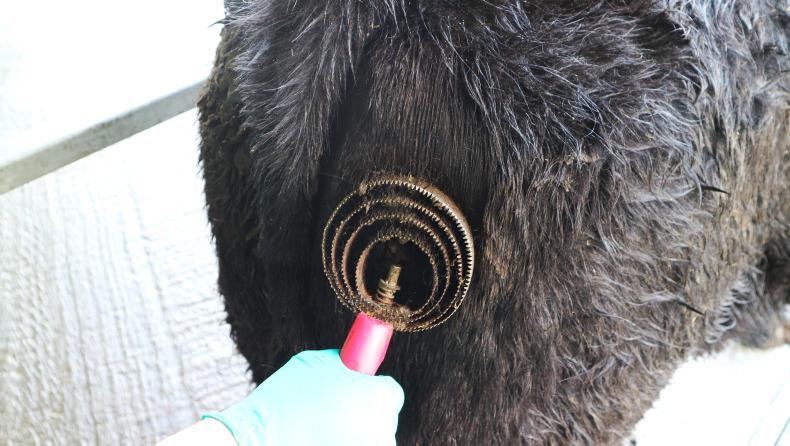
To start off, try to remove any larger clumps of faeces or dirt that are very visible on the animal using the circular comb. Usually the majority of the soil builds up around the animal’s rear end, above their shoulders, on top of their rump and their knees. The tail in particular can become very entangled and normally requires a lot of attention and brushing. When the larger clumps are removed with the circular comb, you can move on to using the curry comb for the smaller specks of dirt.

With the heavy dirt removed, the animal can be washed. A high-volume, low-pressure washer is used here similar to a wash-down hose dairy farmers use in their parlours. This type of hose is arguably better than using a power washer because the force of the water coming from a power washer can agitate the animal. The water used here is harvested from the roofs of the sheds, making it softer and more suitable for washing compared with hard cold water coming from a well. During washing, try to wet all areas, making sure not to miss the area around the ears including ear tags. You will see the discolouration of the water as the dirt leaves the animal. When this water becomes clear again, it’s a sign that enough washing was carried out.

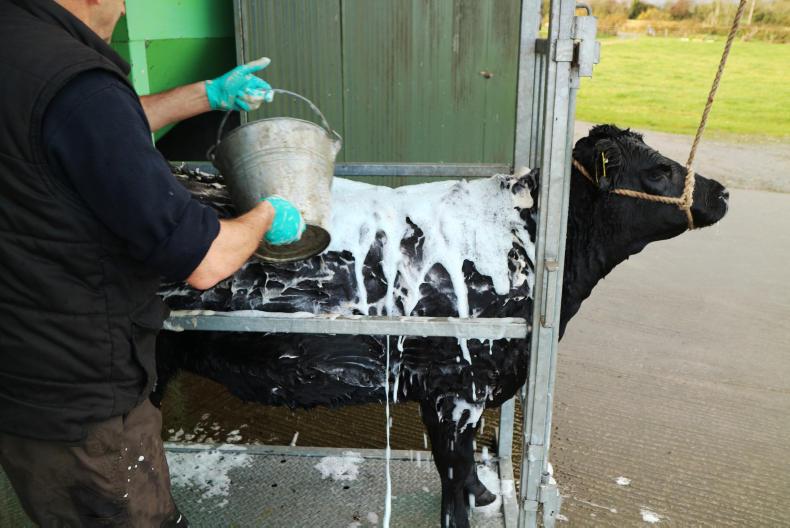
Once the animal is thoroughly washed with water, it’s time for shampoo. The shampoo will help remove any remaining grease or dirt and will make the coat nice and shiny. A custom-made showing shampoo is best for pedigree animals because there are different types designed for different coloured coats. Pour some shampoo from its container into a bucket and fill the bucket up with water. Pour the mixture along the animal’s back and massage it into the hair. Don’t forget to do the tail, legs and head. When you are happy all areas are covered, use the hose again to wash off the shampoo. It is a very similar process to washing your own hair.


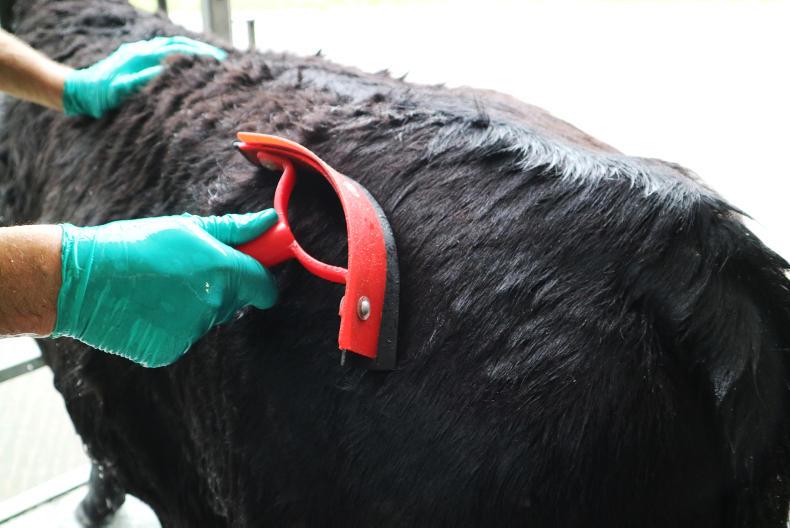
Now it’s time to dry the animal. A squeegee is used for the heavy water followed by an industrial-sized blower to quickly dry out any remaining water from the hair. Always point the blower upwards. This makes the hair stand, which is desirable in making the animal appear wider. Blowing downwards tends to matt the hair against the body, which isn’t desirable. Blow-drying the animal is part of the preparation for clipping. You cannot clip a wet animal as dry stiff hair is essential. To further stiffen the hair some breeders use shaving foam. This involves holding a shaving foam canister upright beside the nozzle of the blower and spraying it all over the animal’s body. Rub and comb the foam into the animal’s hair in combination with the hair blower until the foam is no longer visible and the hair is dry and stiffened.

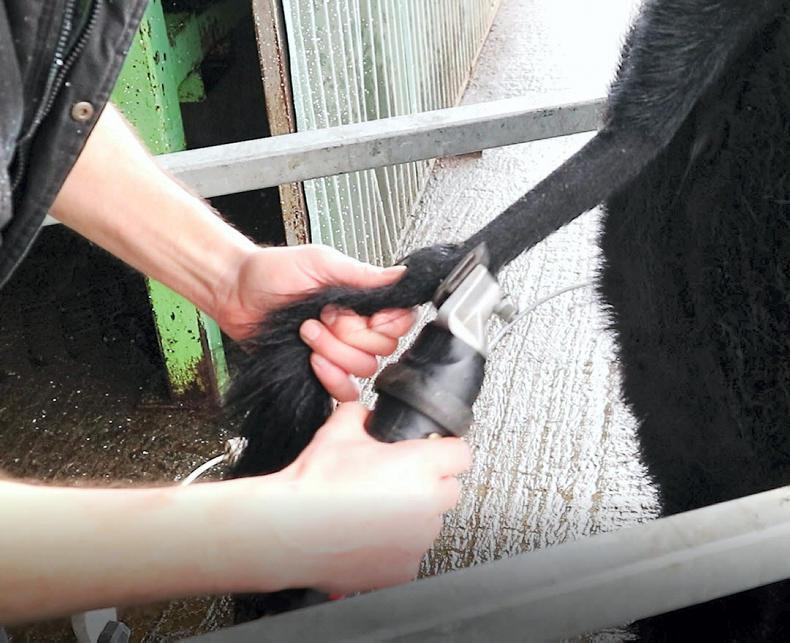
Clipping is key for the presentation of the animal and its success in a show. To start, clip the tail. The idea is to make the tail look as narrow as possible down to where the hollow starts to show between the two hind quarters. This creates the illusion that the back end is wider, and the hair on the bottom of the tail remains unclipped to fill the hollow between the legs for a deeper appearance.

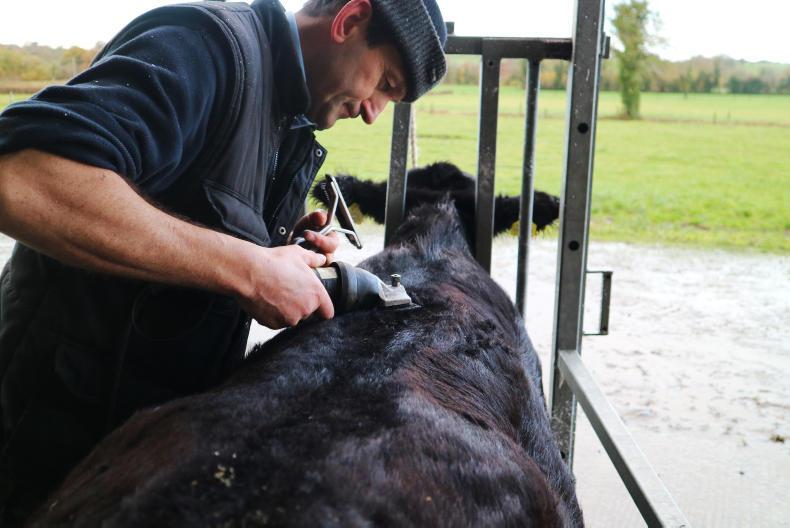
The hair on an animal’s back usually forms a point in the centre when left naturally. This makes the animal look narrower and for show animals this is not desirable. To counteract this, shave the hair along the back to make the area look as wide and broad as possible. If one area of the back is higher than another, shave the high section tight and leave the hair in the hollow to create a nice level look. Similar to the back trim, clip the belly to take out any protruding areas to give a clean straight look from the side. You want the top line and bottom line as level and parallel as possible to create a block effect. Remember when clipping you can’t put hair back on, so be sure to check twice, clip once.

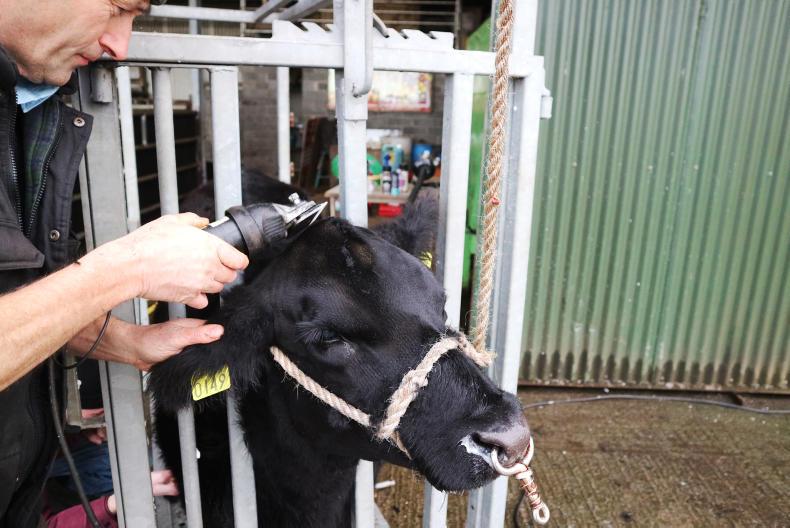
Clipping the head is predominantly done for polled breeds and commercials. This emphasises the pole in the head of polled breeds. Always clip against the grain, ensuring a short even finish around the head. Find the jawline underneath the ear and follow a straight line down with the clippers, but be sure to leave all hair on the ears to add character to the head. Some farmers may add baby oil to the head. This increases shine and improves general appearance.

To finish off, use a pin comb and brush all the hair upwards. On the day of the show a number of different adhesives and show products can be used. These range from glue-based products to oils and shiners. To get the techniques for clipping right takes time and practice. Ideally for beginners this is best done on animals which won’t be going to a show.
Thanks to Angus breeder Jim Dockery from Shinrone, Co Offaly, for providing the animal and facilities for this demonstration.


SHARING OPTIONS