LOYALTY CODE:
The paper code cannot be redeemed when browsing in private/incognito mode. Please go to a normal browser window and enter the code there
On the concentrate side, having sold all our grain after the harvest, we are having to buy in.
‘It’s amazing to see how a one-day strike can put the payment back 11 days’
Farmers can apply for AIB loans from €25,000 to €3m under expanded scheme
O'Donoghue resigns as chair of North Cork Creameries
Why this Kilkenny contractor replaced one JCB loader with two
Sheep mart watch: boost for cull ewes as sheep trade remains unchanged
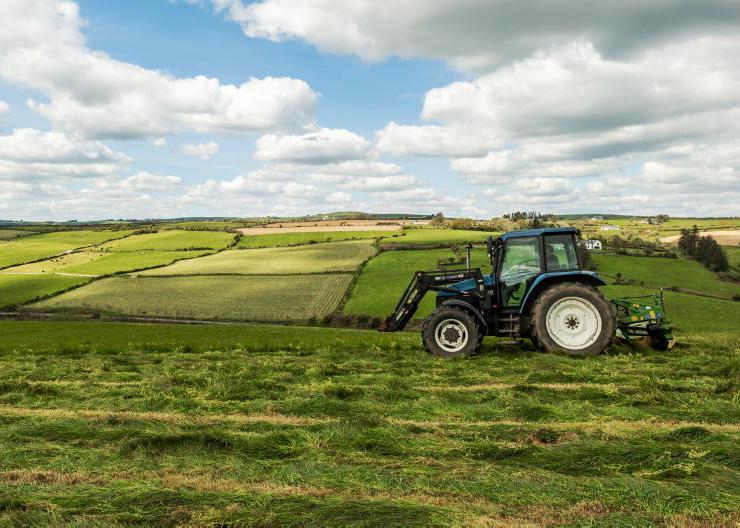
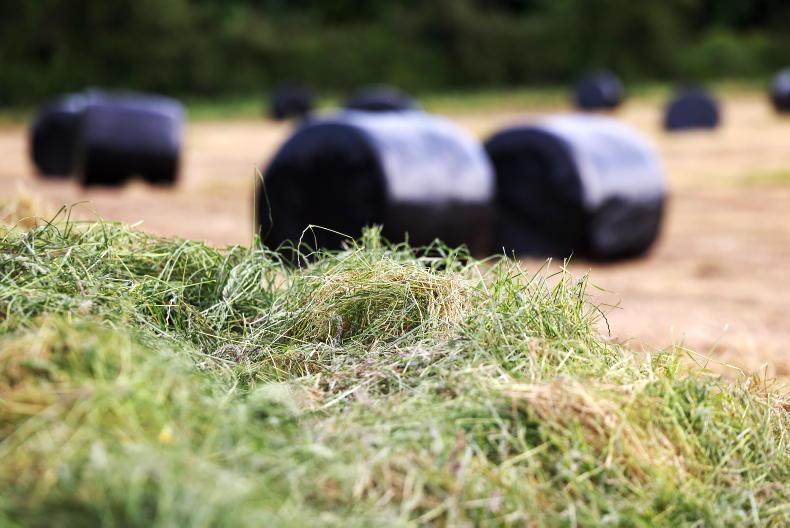
We have cut the grass for our second cut of silage, later than it has been for many years because of the hot dry weather.
How long do we wait to sow, and will the soil underneath be dry enough to allow the next option of ploughing and following directly with the one pass?
One of the consequences of the exceptionally dry warm summer is that the spring beans, the last crop to be harvested, are shorter and more open than I would like.
We continue to draft the few cattle within six weeks or so of being fit into the houses for a full finishing ration but the numbers are small so far.
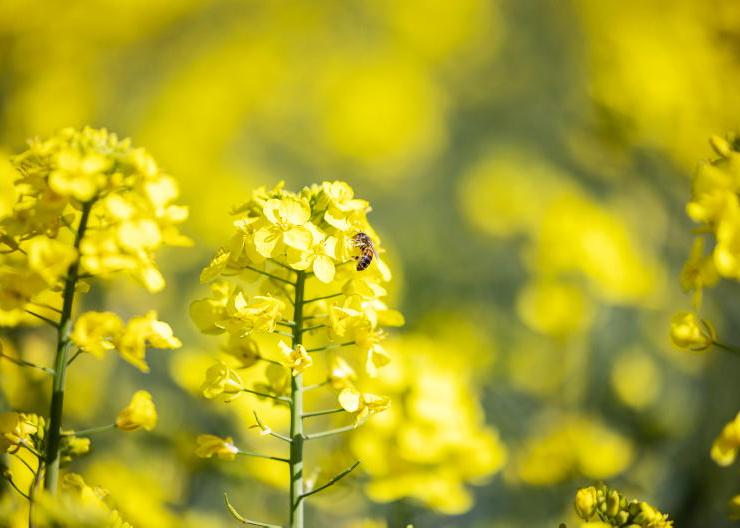
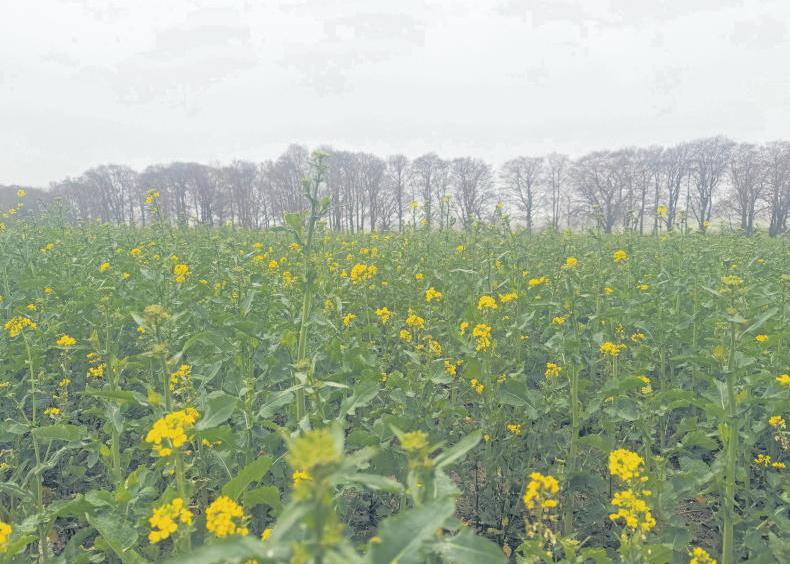
Oilseed rape is the crop that over the last 20 years has seen by far the greater genetic progress in terms of yield.
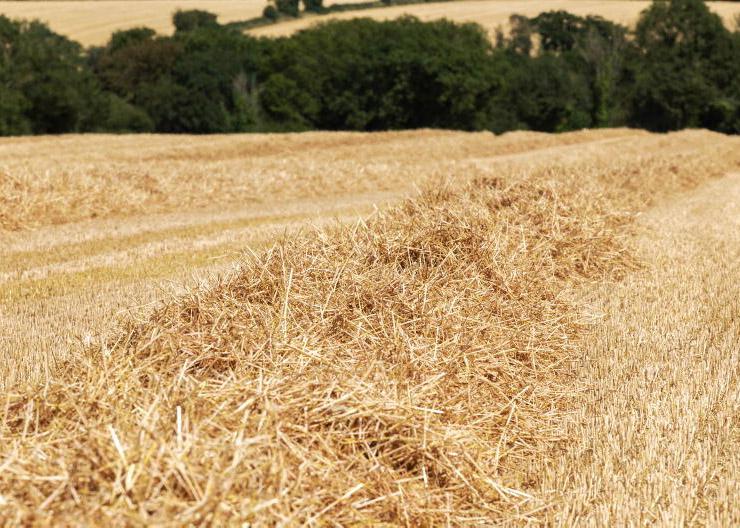
The straw yields from the wheat were also marginally less than what I would have normally expected.
This year's Orcade followed wheat which made the 4.1 tonnes yield even better in relation to Cassia's performance after oilseed rape.
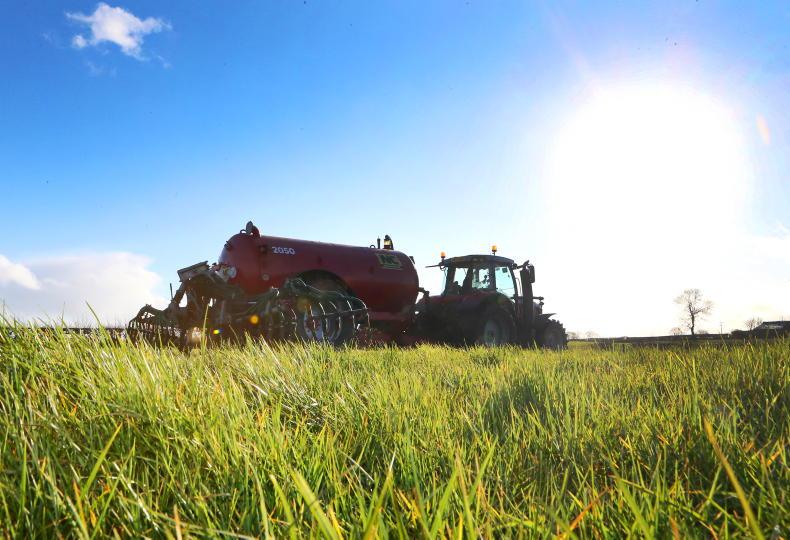
Know your slurry, unlock the potential within With fertiliser costs remaining one of the biggest expenses on Irish farms, there has never been a better time to take a closer look at the hidden value of slurry as a fertiliser.