

The Employment Incentive and Investment Scheme (EIIS) was introduced in 2011 and is an excellent source of funds for growing companies.
It is the successor to the Business Expansion Scheme (BES) and puts tax credits of up to 40% in the hands of investors.
Recent changes have ensured that most SME trading companies are eligible, although it does exclude professional services, commodities trading, land development, forestry, coal/steel and film production.
Under certain circumstances, employees, directors and shareholders can invest in their own company.
The maximum investment in any one year per investor is €150,000 but companies can raise up to €5m in any one year and €15m under the scheme in total. Investors get a 30% tax relief in year one and are eligible for an additional 10% in year three but employment must have been increased over the period. The cost of setting up the fund can range from 3% to up to 10% where fees eat in over time.
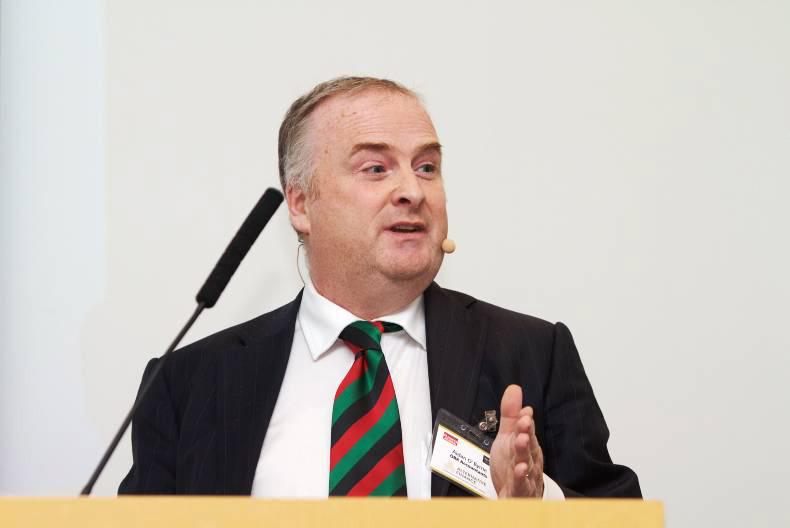
Aidan O’Byrne of OBK Accountants set out the process that is normally run by accountants or advisers.
A document is issued detailing the business and its objectives to raise funds. The process needs to summarise the company and often acts as a reliable roadmap for the company’s development.
“Often the accountancy firm will raise a fund to invest in preapproved EIIS projects,” said Aidan, pointing to the recent announcement that Hughes Blake are partnering with Goodbody Stockbrokers to launch an EIIS fund.
“The success of these projects is often determined by the due diligence performed by the adviser on getting appropriate companies to seek EIIS,” he added.
Waterford dairy farmer Pat Ryan told the conference how he used the Employment Incentive and Investment Scheme (EIIS) to grow his business last year. Farming 450 cows, it provided part of the funding to buy land and expand.
“We were already in a limited company and the process was organised by our accountant,” said Pat. He is currently involved in joint ventures on three dairy farms that milk 1,150 cows in total and they currently rear 1,000 replacement dairy stock.
“These joint ventures provide the main source of annual income for twelve farm families,” said Pat, who has funded the business though cashflow, partner equity as well as bank loans.
Crowdfunding
Crowdfunding or peer-to-peer lending is effectively individuals who lend money to businesses at agreed interest rates and time frames. It has grown in popularity due to the changing bank environment and very low deposit rates available to people with money on deposit.
Technology has also allowed businesses like Linked Finance (www.linkedfinance.com) and Grid Finance (www.gridfinance.com) create a portal whereby investors can evaluate pre-evaluated companies and suggest amounts and rates they are prepared to invest.
It is usually used for:
Working capital.Capital expenditure.New market expansions.Staff hires.For many, it is quick and convenient and they also gain access to finance in some cases at lower interest rates than they would get from the banks.
What is effectively a reverse auction is run asking for investors to commit the amount of funds and the interest rate they want.
At the start of the process, you normally see investors looking for 15% in the hope they will be included, but the average interest rates have varied from 8% to 12%. Loans asked for are usually between €15,000 and €30,000 but loans can be up to €100,000. Loans are usually unsecured, although there can be personal guarantees from the directors.
The loans tend to be low default rates. The first reason is the due diligence by the crowdfunding company which usually insists on the business having traded for two years or more. Companies normally invest for working capital that is aimed to boost turnover and they do not want the bad publicity for their business.
“Success and continuance will be determined by default rates – currently in the UK these are running at 1%, which is satisfactory,” said Aidan. If they started to grow, many lenders would be put off the idea as it hits their returns.
The sector is not regulated and Companies such as Grid Finance (www.gridfinance.com) are expanding into larger loans with appropriate security and are starting to directly compete with the banks. The crowdfunding sector is not currently regulated, a point that the Central bank has come out to make on a number of occasions.
Crowdfunding, or peer-to-peer (P2P) funding as it is sometimes known, is a rapidly emerging source of finance for expanding companies in Ireland.
In Ireland, only crowd lending (peer-to-peer lending) is available for SMEs. Effectively a lending company attracts investors (lenders) and target companies (borrowers), evaluates the borrower’s business and creates an environment where lenders propose amounts at various interest rates through an IT portal.
Amounts raised are usually between €10,000 and €30,000, but can be as high as €100,000. Interest rates vary but on average are around 8% to 9%, with repayments within three years.
The advantages of the scheme are
Quick and efficient process.Unsecured – though may have personal guarantees from business owners.Great opportunity to promote business – have “devotees”.Rates can be lower than normal banking.No early settlement penalties.Although P2P equity fundraising is difficult for small businesses due to the requirement to have a prospectus, this facility is available in the UK through companies like Crowd Cube.
The Employment Incentive and Investment Scheme (EIIS) was introduced in 2011 and is an excellent source of funds for growing companies.
It is the successor to the Business Expansion Scheme (BES) and puts tax credits of up to 40% in the hands of investors.
Recent changes have ensured that most SME trading companies are eligible, although it does exclude professional services, commodities trading, land development, forestry, coal/steel and film production.
Under certain circumstances, employees, directors and shareholders can invest in their own company.
The maximum investment in any one year per investor is €150,000 but companies can raise up to €5m in any one year and €15m under the scheme in total. Investors get a 30% tax relief in year one and are eligible for an additional 10% in year three but employment must have been increased over the period. The cost of setting up the fund can range from 3% to up to 10% where fees eat in over time.
Aidan O’Byrne of OBK Accountants set out the process that is normally run by accountants or advisers.
A document is issued detailing the business and its objectives to raise funds. The process needs to summarise the company and often acts as a reliable roadmap for the company’s development.
“Often the accountancy firm will raise a fund to invest in preapproved EIIS projects,” said Aidan, pointing to the recent announcement that Hughes Blake are partnering with Goodbody Stockbrokers to launch an EIIS fund.
“The success of these projects is often determined by the due diligence performed by the adviser on getting appropriate companies to seek EIIS,” he added.
Waterford dairy farmer Pat Ryan told the conference how he used the Employment Incentive and Investment Scheme (EIIS) to grow his business last year. Farming 450 cows, it provided part of the funding to buy land and expand.
“We were already in a limited company and the process was organised by our accountant,” said Pat. He is currently involved in joint ventures on three dairy farms that milk 1,150 cows in total and they currently rear 1,000 replacement dairy stock.
“These joint ventures provide the main source of annual income for twelve farm families,” said Pat, who has funded the business though cashflow, partner equity as well as bank loans.
Crowdfunding
Crowdfunding or peer-to-peer lending is effectively individuals who lend money to businesses at agreed interest rates and time frames. It has grown in popularity due to the changing bank environment and very low deposit rates available to people with money on deposit.
Technology has also allowed businesses like Linked Finance (www.linkedfinance.com) and Grid Finance (www.gridfinance.com) create a portal whereby investors can evaluate pre-evaluated companies and suggest amounts and rates they are prepared to invest.
It is usually used for:
Working capital.Capital expenditure.New market expansions.Staff hires.For many, it is quick and convenient and they also gain access to finance in some cases at lower interest rates than they would get from the banks.
What is effectively a reverse auction is run asking for investors to commit the amount of funds and the interest rate they want.
At the start of the process, you normally see investors looking for 15% in the hope they will be included, but the average interest rates have varied from 8% to 12%. Loans asked for are usually between €15,000 and €30,000 but loans can be up to €100,000. Loans are usually unsecured, although there can be personal guarantees from the directors.
The loans tend to be low default rates. The first reason is the due diligence by the crowdfunding company which usually insists on the business having traded for two years or more. Companies normally invest for working capital that is aimed to boost turnover and they do not want the bad publicity for their business.
“Success and continuance will be determined by default rates – currently in the UK these are running at 1%, which is satisfactory,” said Aidan. If they started to grow, many lenders would be put off the idea as it hits their returns.
The sector is not regulated and Companies such as Grid Finance (www.gridfinance.com) are expanding into larger loans with appropriate security and are starting to directly compete with the banks. The crowdfunding sector is not currently regulated, a point that the Central bank has come out to make on a number of occasions.
Crowdfunding, or peer-to-peer (P2P) funding as it is sometimes known, is a rapidly emerging source of finance for expanding companies in Ireland.
In Ireland, only crowd lending (peer-to-peer lending) is available for SMEs. Effectively a lending company attracts investors (lenders) and target companies (borrowers), evaluates the borrower’s business and creates an environment where lenders propose amounts at various interest rates through an IT portal.
Amounts raised are usually between €10,000 and €30,000, but can be as high as €100,000. Interest rates vary but on average are around 8% to 9%, with repayments within three years.
The advantages of the scheme are
Quick and efficient process.Unsecured – though may have personal guarantees from business owners.Great opportunity to promote business – have “devotees”.Rates can be lower than normal banking.No early settlement penalties.Although P2P equity fundraising is difficult for small businesses due to the requirement to have a prospectus, this facility is available in the UK through companies like Crowd Cube.
SHARING OPTIONS