


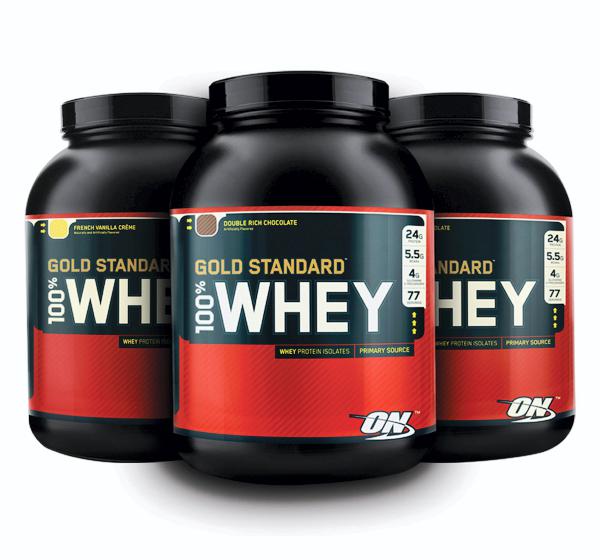
Last Friday, Glanbia plc announced it is to acquire Isopure, a US-based provider of premium branded sports nutrition products, for $153m (€118m). Founded in 1984, Isopure produces and sells whey protein isolate powders and drinks.
The deal, which will be funded from existing debt facilities, is expected to be completed in the fourth quarter of 2014, subject to regulatory approval.
Isopure had net revenues of $74.6m (€57.8m) for the 12-month period to the end of July. The company has had compound growth of 20% between December 2011 and July 2014.
High multiples
Isopure has not come cheap, with a price tag of €118m. Profitability of the acquired business is not known. However, assuming that margins are similar to Glanbia’s performance nutrition division (10.5% last year), it would imply that a multiple of approximately 17.3 times earnings was paid.
This is a much higher multiple than what Glanbia paid for other acquisitions in this space. For example, it paid €108m, or 8.3 times earnings, for BSN in 2011. Three years earlier, Glanbia paid €212m for Optimum Nutrition. At that time, Optimum had sales of €125m and profits of €22m, implying a price of around nine times earnings.
Earlier this year, it was speculated that Glanbia was interested in Cytosport. Hormel Foods ended up buying the sports nutrition company for €329m. Cytosport had sales of around €270m and reported earnings (EBITDA) of €22m last year, achieving a price of 15 times earnings.
This would make the Isopure deal appear expensive at first glance. But this acquisition further consolidates Glanbia’s dominant position and will complement the group’s performance nutrition portfolio. There is good growth outlook and strong interest in the sector – hence the high multiples being paid.
Synergies
Glanbia’s performance nutrition division saw its revenues increase 12.2% year-on-year at the interim period in 2014, with branded revenues increasing more than 20%. Revenue growth at Isopure could also be accelerated through integration with existing Glanbia sales channels.
To achieve cost synergies, Glanbia may be able to bring some of the outsourced production of Isopure into the group’s production facilities given Glanbia’s vertical integration in whey.
Glanbia has the capability to do this deal and still maintain a robust balance sheet. Even though net debt will increase, revenue and earnings will also increase.
Unlike the Cytosport deal, which may have proven too large and too expensive for Glanbia, the size of this deal is positive as it will not restrict Glanbia from making further acquisitions.
This latest purchase emphasises the group’s confidence in the sports nutrition sector, which is a key growth engine for Glanbia. Performance nutrition is a fragmented sector and further deals would not come as a surprise.
Last year, performance nutrition accounted for 20% of the group’s revenue and 70% of sales came from the US. As this division grows within Glanbia and investors become increasingly interested by paying high multiples in this growth market, could we see Glanbia spin off or float this business in the US?
Bodybuilders and extreme athletes continue to be the core market for sports nutrition products. However, according to the Nutrition Business Journal, the core audience is believed to account for only 5% of total industry sales.
This highlights the importance of the mainstream consumer and their everyday health and active lifestyle needs.
Growing consumer awareness and education has made sports nutrition accessible to the mainstream consumer, and strengthened sales as products are diverging to meet the needs of the common athlete.
According to a recent Euromonitor report, Glanbia was the global brand leader in sports nutrition in 2013, with 18% of the US market. This position was bolstered by its acquisition in 2008 of Optimum Nutrition and in 2011 of BSN.
Earlier this year, Glanbia was granted a US patent titled “Acidified whey protein compositions and methods for making them”. This patent helps the company to broaden its opportunities for everyday protein supplementation of consumers while giving it a competitive production advantage.
The growth in consumer education will continue to bolster the growth in mainstream sports nutrition users. Euromonitor predicts that protein products will grow by 62% to reach $7.8bn in 2018.
As such, the increase in mainstream consumers is a major growth opportunity for companies like Glanbia.
With such large growth predicted, the multiples being paid may well be justified.





SHARING OPTIONS