



With global sales of more than €23bn and feeding 1% of the global population every day, McDonald’s is a big business. While it achieved global domination in the 1990s, more recently it has been trying to reinvent itself as consumers turn to healthier options and more responsible living, which plays to Irish agriculture’s tune.
The Irish Farmers Journal recently caught up with Adrian Crean, managing director of McDonald’s Ireland, who is responsible for €250m in retail sales across 89 restaurants in the country.
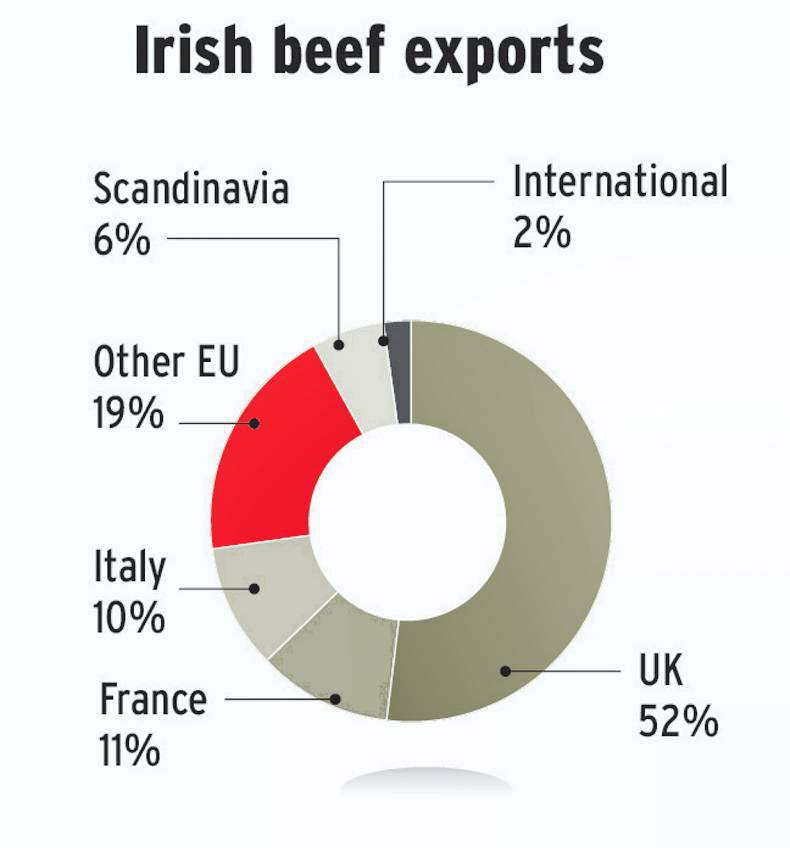
“If McDonald’s was a country it would be the fourth largest buyer of Irish beef after the UK, France and Italy,” says Crean. In fact, buying 40,000t of Irish beef every year, makes it the single largest buyer of Irish beef by volume. Half of this is made into burger patties, while the balance gets exported as whole cuts mainly to France to be produced into finished patties.
Currently, about 20% of all beef used in McDonald’s Europe is of Irish origin, meaning one in every five burgers purchased in McDonald’s restaurants across Europe is made of Irish beef.
In 2012, Dawn Meats won a five-year €300m contract to process up to 18,000t of Irish beef annually for McDonald’s. The deal saw Dawn Meats invest €15m in a new purpose-built, state-of-the-art beef processing facility in Carroll’s Cross, Co Waterford.
The deal arose from a review of beef processing capacity across McDonald’s Europe which identified the need for an additional processing plant in Europe to meet current and future growth requirements.
Crean explains that Ireland was identified as strategically important in terms of long-term assured quality supply.
Previously, Irish beef had been transported to the UK and Europe for processing, before entering the McDonald’s supply chain in those markets. The Dawn investment meant that higher value-added finished beef products are now exported from Ireland instead of unprocessed beef.
“McDonald’s prides itself on the quality of its beef,” says Crean, adding that it is a key differentiator. In Ireland McDonald’s uses 100% Irish beef, while in the UK, it says Irish and British beef is used. Crean says that customers in local markets like to see this.
€200m of Irish food
Overall, McDonald’s sources Irish food products including beef, liquid milk, cheese, bacon and eggs with a total value of €200m supporting companies including Dawn Meats, Slaney Meats, Kerry Group, Lakeland Dairies, Lee Strand, Greenfield Foods, Flahavan’s and Dew Valley.
The Kerry group is a key supplier to McDonald’s globally. Not only does it supply cheese and a range of dairy bases for beverages such as shakes directly to the Irish operation, it supplies a range of ingredients and flavours such as coatings for its chicken nuggets worldwide.
McDonald’s buys 1m litres of Irish milk every year and is seeing significant growth thanks to coffee and shakes according to Crean. Lakeland Dairies supplies UHT milk sticks, while Lee Strand based in Kerry supplies the liquid milk.
Tipperary-based bacon producer Dew Valley was awarded a contract to supply up to 9m pieces of cooked Irish bacon, or 36t, annually to McDonald’s three years ago. This contract has grown to see Dew Valley now supply McDonald’s in Belgium, the Netherlands and Portugal.
Crean says that this is a great example of how Irish companies can leverage the McDonald’s brand to scale their business across multiple markets.
He says Kerry Group’s new global innovation centre in Naas is an example of how they work closely with suppliers to develop menus as customers tastes and habits change.
Sourcing beef
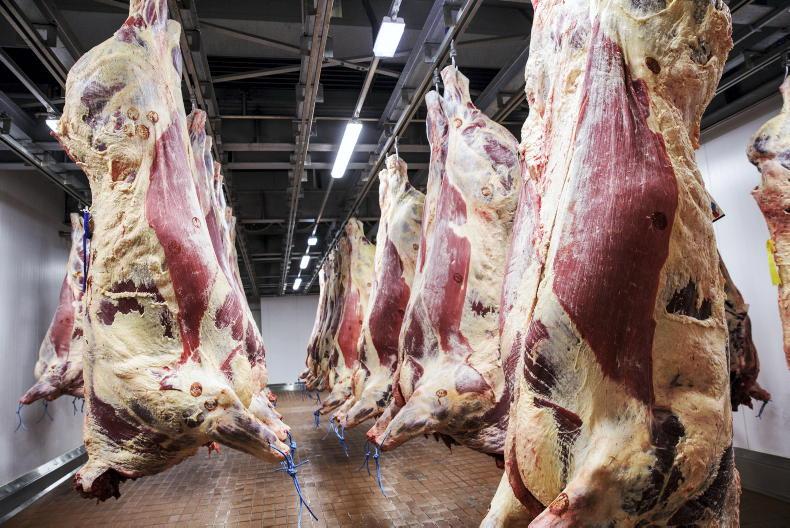
McDonald’s only use fourth-quarter and flank. Its burgers are 100% beef, with no fillers. McDonald’s works closely with Dawn, has full traceability and visibility of the Dawn process and is independently audited.
McDonald’s endeavours to keep the supply chain as simple as possible. Anything bigger than a fist doesn’t get through – it is minced, frozen and then packed. There are no middlemen, no other ingredients and it is this simplicity that is fundamentally important.
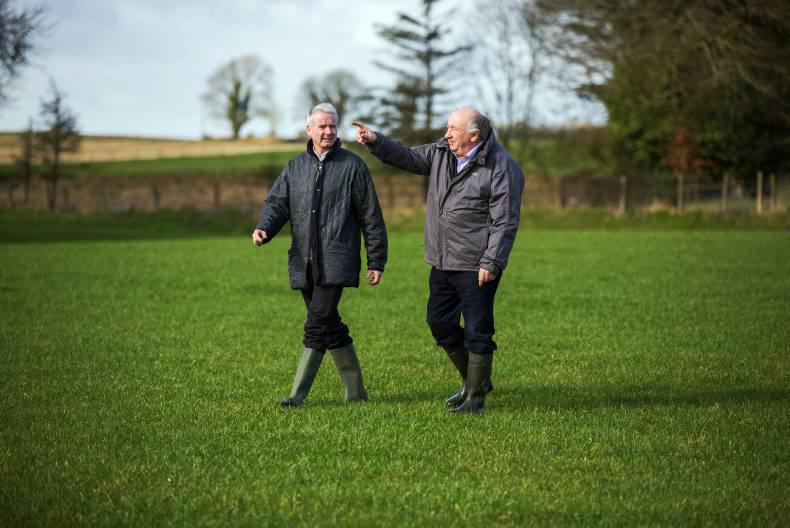
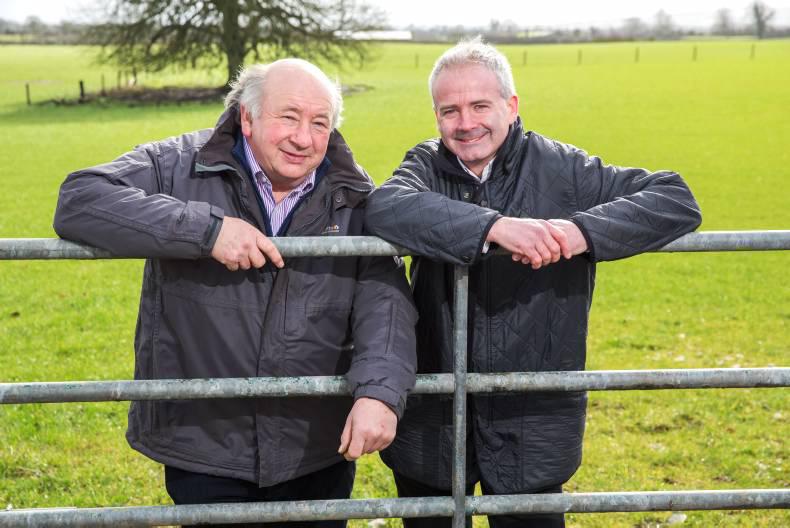
McDonald’s has five flagship beef farmers across Europe, two of whom are based in Ireland – Ray Dempsey in Offaly and John Power in Waterford. The primary aim of these farmers is to encourage dialogue between farmers, demonstrate the benefits of sustainable practices and promote their broader adoption across farms.
McDonald’s has made a global commitment to source from verified sustainable beef farms. But what does sustainability mean to a brand like McDonald’s? Crean says that ultimately customers will create the pull and make decisions on what they eat. They want to understand what is in their food and increasingly value honesty and authenticity and expect this from a global brand. He says it is not enough to just talk about it – it needs to be measured and demonstrated. This is creating a pull for businesses to become more sustainable.
McDonald’s has a compelling reason to use Irish beef. It’s simple he says: “The sustainable credentials are better than anywhere else and this will drive McDonald’s to make choices to source more beef here.”
Irish agriculture has one of the lowest carbon food footprints on the planet, which will create great opportunities for Irish food. Crean thinks that the Origin Green programme will become more important and that the next step will be for it to become more consumer-focused.
Given that McDonald’s is well known for its standardised processes, it is not surprising that it can see a real benefit to quality schemes like the Bord Bia quality assurance mark. Crean says: “It focuses businesses to become more productive and efficient”
He says that the sourcing of Irish beef is only going to increase and that the longstanding relationships are proof. After all, McDonald’s has been working with Dawn Meats for more than 30 years. Crean says that McDonald’s will stimulate the demand to help grow exports. McDonald’s is a brand that wants to grow and to do so it needs assured supply.
One way you can see this is the improvement in the quality of the restaurants. In the past number of years, McDonald’s has invested more than €75m in the business. It is constantly innovating and is reintroducing the McMor burger next week across its restaurants. But Crean says consistency, the restaurant experience, quality of food and above all value for money remain key to success.



SHARING OPTIONS