



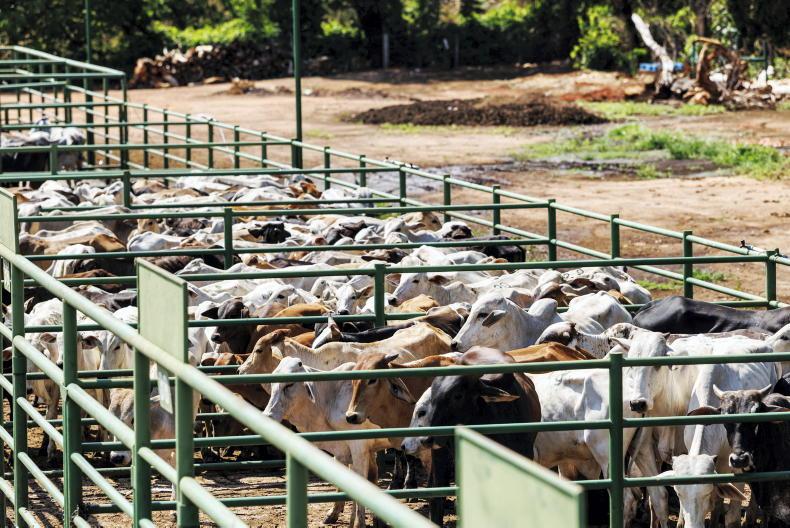
Brazil’s cattle herd and beef exports are set to continue their expansion over the next decade.
The 2026 Beef Report, published by ABIEC, the trade association that represents Brazil’s beef exporters, forecasts that the cattle population will grow to 205m head and beef exports are expected to increase to 7.1m tonnes annually by 2035.
As Figure 1 shows, this will represent a 30m head increase in cattle numbers over the 15 years from 2020 to 2035, with the herd having already increased by 20m between 2020 and 2025.
The increase in beef exports is even more spectacular, as we can see in Figure 2. Over the five years to 2025, the volume grew from 2.7m tonnes to 4.5m tonnes carcase weight equivalent (cwe) and over the next decade the forecast is that these will increase by a further 2.6m tonnes to 7.1m tonnes cwe by 2035.
2025 was a record year
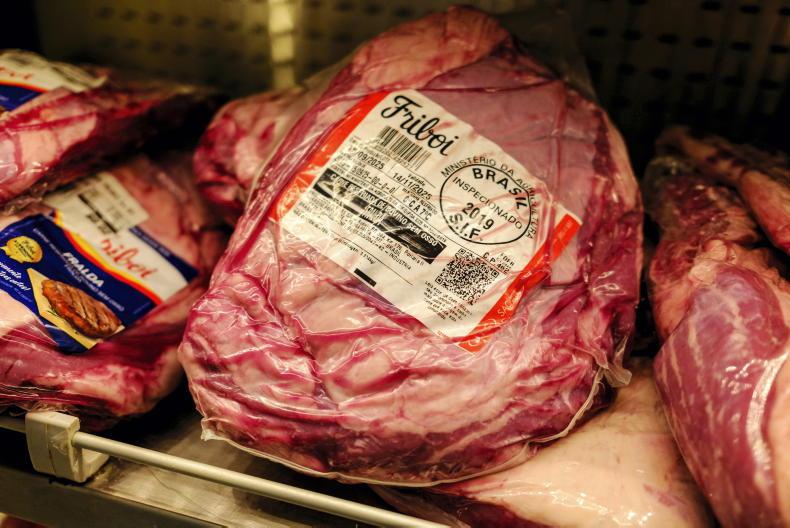
The report highlighted that 2025 was a record year for Brazilian beef. They produced 12.35m tonnes of beef from 47.79m head of cattle processed and exported 3.5m tonnes of beef to 177 countries.
This generated revenue of $18bn (€15.8bn) and for the first time Brazil was the world’s largest beef-producing country as well as the leading exporter.
The sector has shown “significant gains” in productivity and efficiency, as illustrated by beef production increasing from 8.8m tonnes to 12.35 tonnes cwe over a 20-year period to 2025. This 41% increase was achieved while the pasture land area used actually fell by 12%, to 159.8m hectares from 181m hectares
This also meant a significant increase in beef output per hectare, rising from 51.6kg/ha in 2010 to 77.3kg/ha last year, as shown in Figure 3.
Cattle production in Brazil
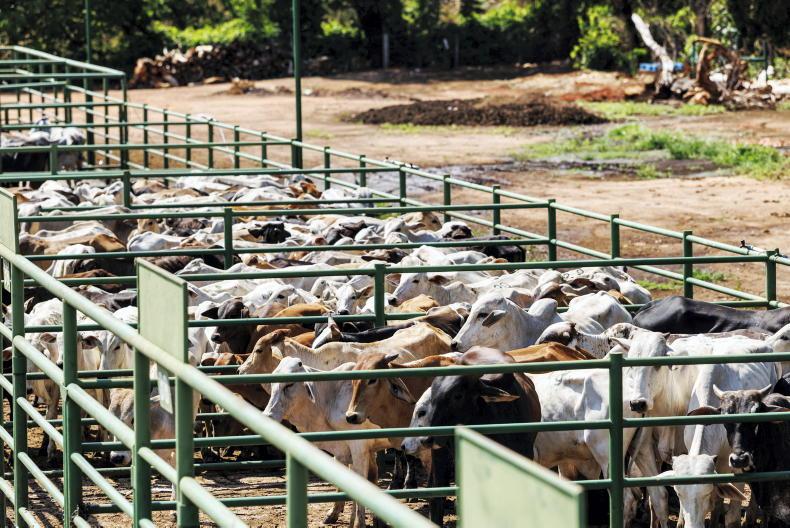
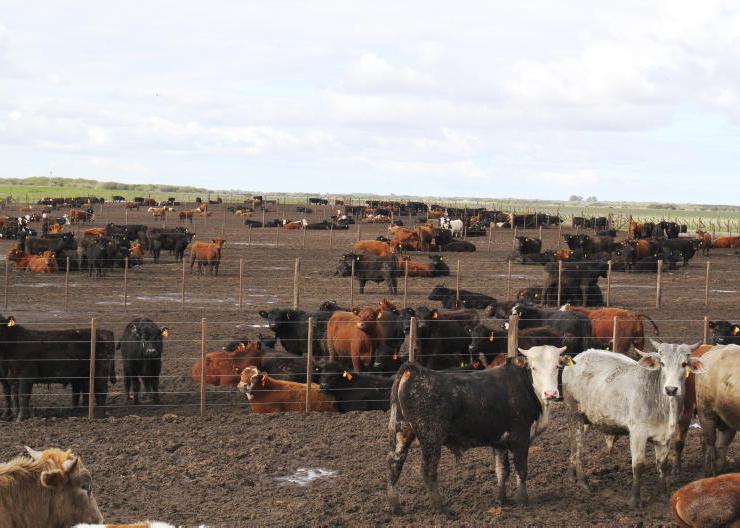
The number of cattle processed in Brazil’s factories increased by 3.7% in 2025 compared with the previous year to 47.8m head. Almost two thirds (63.6%) of these were in Federally inspected slaughterhouses, operating under the Federal Inspection Service. There was also a significant increase in the number of cattle slaughtered coming through the feedlot system in 2025.
A record 11.2m head or 23.5% of the entire cattle slaughter came through either feedlots or intensive pasture finishing systems, a 27.2% increase on the 8.8m cattle that came through this system the previous year. The increase in intensive finishing of cattle in Brazil “reflects the sector’s ongoing pursuit of greater production efficiency”, with shorter finishing periods and faster herd turnover.
Reducing the age of slaughter for beef cattle has been a pursuit of the beef industry across all major beef-producing countries in the quest for efficiency and reduction in emissions per kilo of beef. In Brazil, 10.7% of male cattle (excluding bulls) that were processed over 36 months in 2025. In 1997, over 70% of male cattle were over 36 months at slaughter, but the age of slaughter fell sharply over the following 15 years, dropping to 8.6% by 2012. Since then, it has fluctuated between just over 8% and under 11%.
Brazil’s place in global beef industry
In 2025 Brazil became the world’s largest beef-producing country, having already been the leading exporter for several years. The cattle herd at 195.5m head represents 12.6% of all cattle globally, which is just ahead of India on 194.6m head, with China next on 94.1m head.
The United States herd has fallen to a 75-year low at 86.7m head, but despite this they are close to Brazil in beef production at 11.8m tonnes compared with Brazil’s 12.3m tonnes. By way of contrast, Irish beef production in 2025 was approximately 520,000 tonnes and the cattle herd currently is just under 7m head.
Comment
This 132-page report by the Brazilian meat industry gives an insight to a sector that has expanded rapidly in recent decades and will continue to do so over the next decade at least. They have made significant progress in efficiencies and reduced emissions per kilo of beef. However, emissions from beef production in Brazil accounts for 17% of their total emissions output, and as Irish farmers know, no matter what efficiencies are achieved when measuring emissions per kilo of output, if the absolute volume of output increases so also does emissions.
They also have challenges. Demand from China for beef imports has fuelled their expansion since 2012, but that expansion came to a halt this year when China introduced a quota system. It allows 1.1m tonnes from Brazil annually, which is over 500,000t less than they supplied last year. Any beef out of quota will carry a new 55% tariff. They also have an issue with the EU over the lack of regulation on the use of antibiotics, as revealed by an Irish Farmers Journal and IFA investigation last year. As a result, the EU is likely to suspend imports of all Brazilian meat from September. Notwithstanding the challenges that he Brazilian beef industry faces, it has successfully grown to the point of being the top producer as well as the top exporter in the world. What’s more, that expansion is projected to continue and Brazil is destined to be the world’s global beef superpower for the foreseeable future.




SHARING OPTIONS