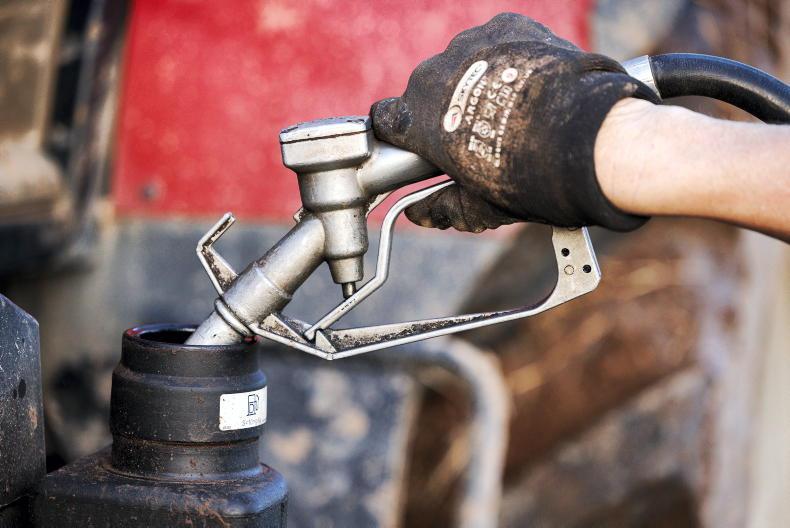
The Government confirmed this week that the cuts in excise on diesel and petrol would be extended until the end of August, and then reintroduced on a phased basis beginning on 1 September.
The temporary enhancement to the diesel rebate scheme for hauliers and road transport operators has been extended until the end of September.
In total, there is 27c to be reimposed on the price of a litre of petrol, 32c onto a litre of diesel and 7c on a litre of green diesel. The phased increase will see only 2c a litre added to green diesel by the end of October (see table 1).
The National Oil Reserves Agency (NORA) levy is the 2c charged on oil products which is used to fund the management of Ireland’s oil reserves. During the conflict in Iran, the government agreed to a release from the national reserve, which reduced stockpiles to 80 days of average supply, below the requirement to hold a minimum of 90 days’ supply.
Taoiseach Micheál Martin said: “While fuel prices have reduced recently, we are conscious that the situation remains volatile and we are committed to continuing support for families and businesses. This remains our goal and therefore we have agreed that a graduated approach to removal of the temporary relief measures is only appropriate.”
Martin also said that the Government will continue to monitor the situation and will respond accordingly. Budget 2027, due to be announced on 6 October, would be an opportunity for further measures, if they are needed.
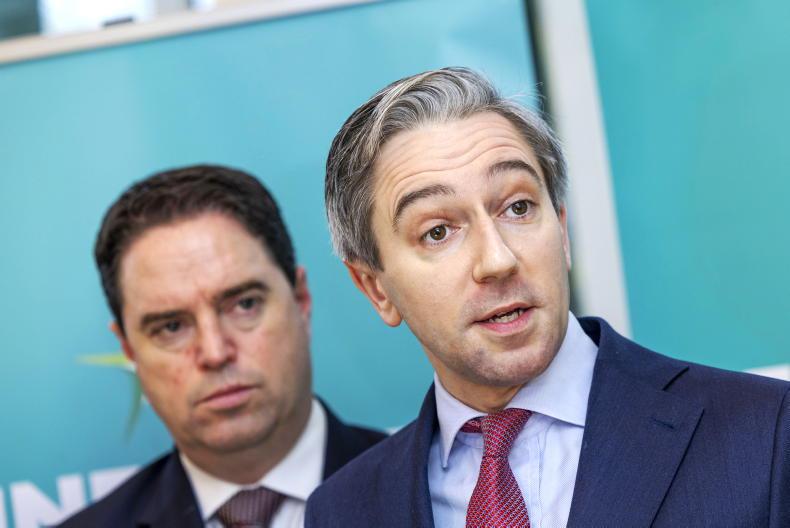
Tánaiste and Minister for Finance Simon Harris noted that while both global oil prices and domestic fuel prices have decreased over recent weeks, the situation remains uncertain.
Harris said that the cuts in excise on fuel cost around €1bn to the exchequer, and, according to Department of Finance economists, lowered inflation by around 0.6 percentage points.
He said he expected the recent drop in oil prices to be passed on to consumers by retailers, and that over the coming months the fall in fuel prices in global markets should help absorb the return of excise duty.
Harris said that excise cuts were always meant to be a temporary measure, and that the upcoming budget will be an opportunity for the Government to look at how to structurally help people and businesses with their costs.
Elsewhere in tax measures, the VAT rate cut for food businesses from 13.5% to 9% came into effect on Wednesday 1 July. Harris said the cut, which will apply to all food service and catering businesses regardless of profitability or size, is a permanent measure to reduce costs for these businesses. The reduction in VAT is estimated to cost the Exchequer over €680m in a full year, with critics of the move suggesting there were better things to do with the money than giving a tax break to multinational fast-food companies.