


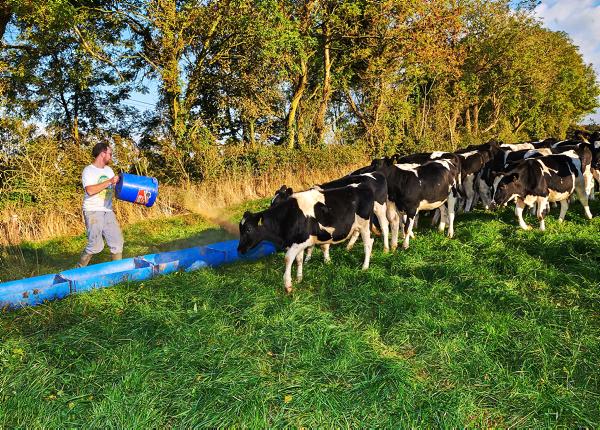
Copper is a metallic mineral and an essential nutrient required in very small amounts for all species of farm animals. Cattle need to consume trace amounts of in the diet. Too little and cattle show signs of deficiency whereas too much can lead to acute or chronic toxicity.
Although it can occur as a primary deficiency on copper-deficient pastures, secondary deficiency is more common due to antagonism by excess sulphur, iron and especially molybdenum in the diet. These elements act to bind copper in the diet where regular copper concentrations are present, thus producing signs of deficiency. Clinical signs are usually seen in young animals at pasture, especially as poor growth rates.
Clinical symptoms of bald “spectacled” eyes, reddish coat and subclinical signs of impaired fertility and impaired energy utilisation are often associated with a lack of dietary copper. One way to diagnose a deficiency is to analyse the levels of copper in the blood. A group of seven to 10 cattle should be sampled. Responses to supplementation as directed by the farmer’s vet are also an important indicator of deficiency. On a farm it is unlikely that just one animal will be affected as the problem will likely be due to the nutritional composition of their feed.
When additional copper is required, three methods of supplementation are available – copper injections, salt mixes and rumen resident capsules or boluses. You should not supplement unless you have clear evidence of deficiency (or molybdenum excess).
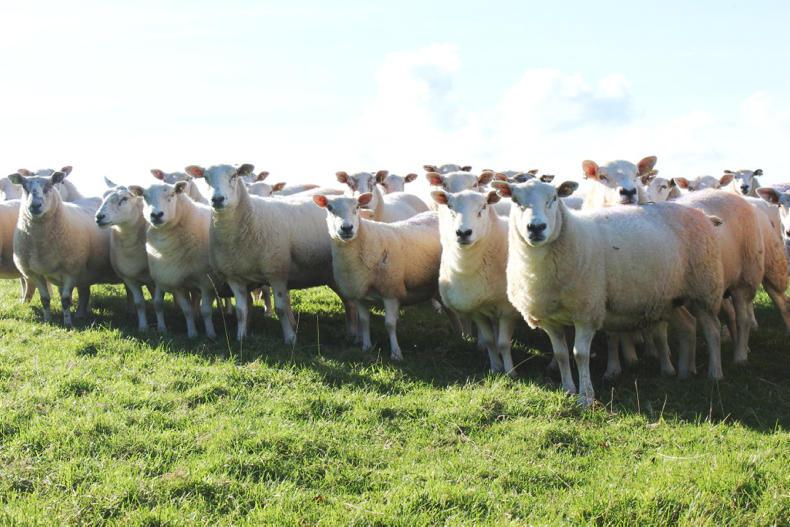
On the flip side, copper is poisonous if ingested in amounts that exceed the animal’s requirement. Sheep are by far the most susceptible farm animal species to copper poisoning.
We had a case recently where 60 dairy cross calves and weanlings were grouped for worm dosing. As well as the worm dose, between one and two teaspoons of copper sulphate or bluestone were administered by mouth per animal. Within six hours, signs of acute copper toxicity had set in.
Acute poisoning causes severe gastroenteritis characterised by abdominal pain, diarrhoea, dehydration and shock. The outlook for stock in the acute phase is poor, with a death rate of over 75%. Most die within 24 to 48 hours of showing the initial signs.
Treatment of copper poisoning is very challenging and severely affected animals often die regardless. In this case, 18 out of 60 animals were dead within 24 hours. This was an extreme case but highlights the danger of incorrect copper supplementation. If you suspect problems, always contact your vet for further advice and reserve the bluestone for the foot bath!
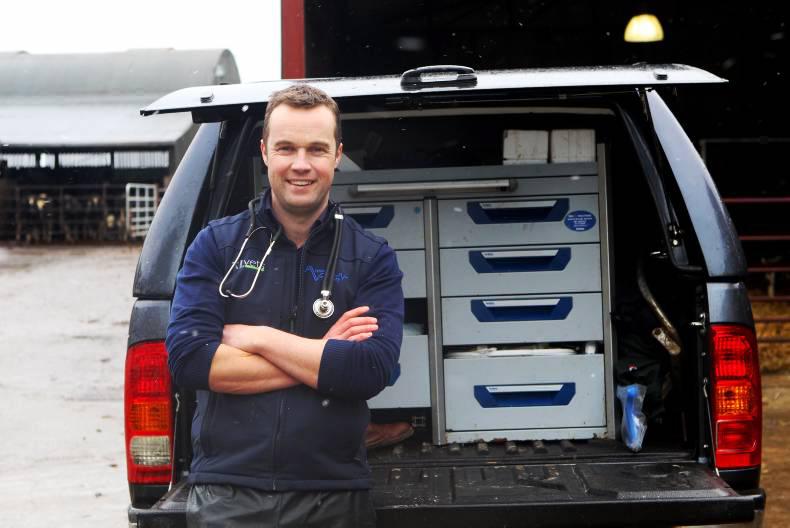
Colm McGovern works at Glenina Vet Clinic, Co Galway. Glenina Clinic is part of XLVets. XLVets is a group of progressive practices who are working together to achieve a better future for agriculture and veterinary in Ireland. For further information go to www.xlvets.ie




SHARING OPTIONS