


Redwater occurs when a tick infected with the protozoa Babesia Divergens feeds on a susceptible bovine. The protozoa (type of bacteria) is injected into the bloodstream, where it enters the red blood cell. Here, it multiplies and bursts the cell and infects hundreds more. The risk period is during summer when the ticks are active.
Initially, infected animals may just have a high temperature and pipe-stem diarrhoea.
If left untreated, animals present with red urine, anaemia, lethargy, neurological signs, severe constipation and eventually death. Pregnant animals may also abort. Animals may be infected for two weeks before these signs present.
Unlike most other infections, younger animals are better able to cope with the disease. Animals under nine months usually don’t show any clinical signs and develop a lifelong immunity.
Control of the disease on a farm involves exposing the younger calves to the disease by grazing them in areas where there were previous cases of redwater.
At-risk cattle (cattle over nine months old not previously exposed, especially bought-in cattle) should be protected with a pour-on that kills ticks. This product has to be reapplied every two weeks during the risk period.
It’s important to remember that the animal may have been infected before the product was applied and may develop redwater as the tick treatment has no effect on the protozoa already multiplying in the blood cells.
Contrary to popular belief, Ivermectin-based pour-on or injectable products have absolutely no effect on ticks and therefore have no effect on the control of redwater.
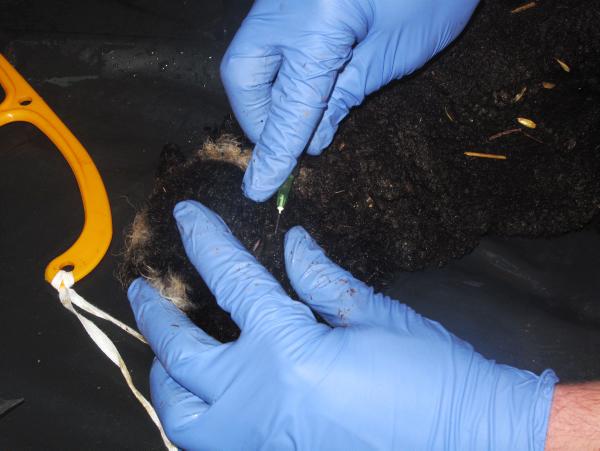
At-risk animals can be given an injection of Imidocarb. This gives protection for about four weeks. It is the only treatment available for infected cattle showing clinical signs.
Animals that develop anaemia, neurological signs, constipation and lethargy will need more aggressive treatment such as a blood transfusion.
Please note that this is not licenced in dairy cows. Your local vet is best positioned to advise you on this topic.
*Brian Flynn works at Longford Animal Health Centre, Cooleeney, Shroid Co Longford. Longford Animal Centre is part of XLVets. XLVets is a group of progressive practices who are working together to achieve a better future for agriculture and veterinary in Ireland. Visit www.xlvets.ie


SHARING OPTIONS