


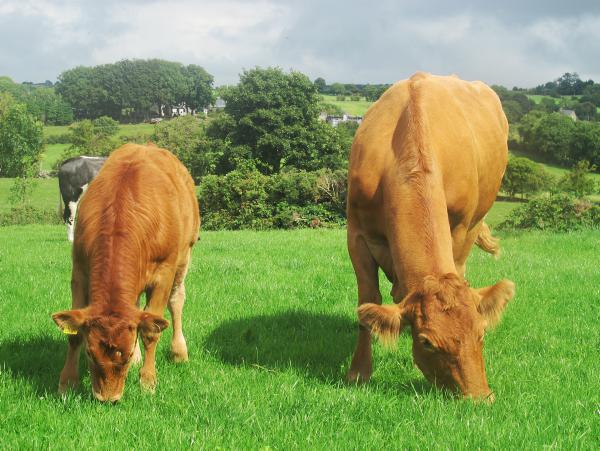
How many cattle farmers know how much grass they are growing on grazing ground?
Many farmers can tell you how many tonnes of silage they grew in their first and second cut, but don’t know how productive their grazing ground actually is.
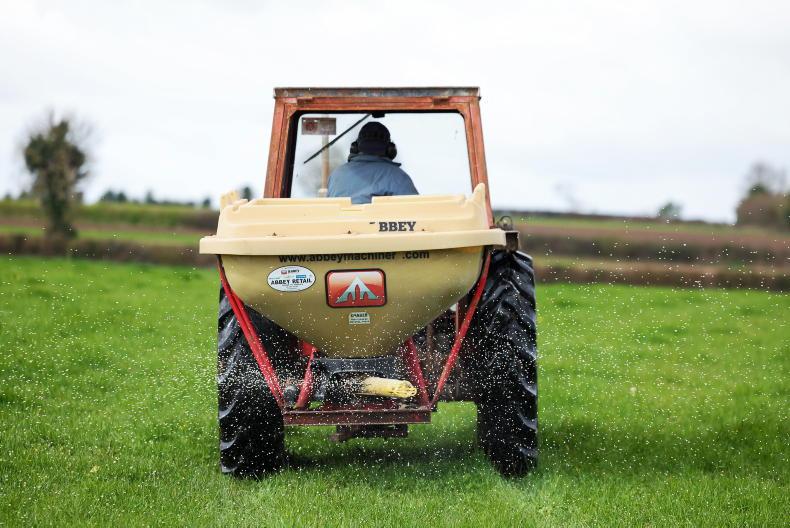
Being able to judge when grass growth is starting to slow down so that you get extra nitrogen spread is part of good herd management.
Walking the farm every week to measure grass will be one of the best jobs you do. Measuring grass can be as simple or complicated as you wish to make it.
Simple measuring
1. A simple method is to use your welly boot with a few markings at 4cm, 6cm, 8cm, 10cm, 12cm, 15cm to gauge grass height.
2. Walk the grazing ground on the same day every week.
3. Measure the grass height at various points in the paddock using the welly boot with different grass heights marked on it.
4. Record the average height for the field and compare with the previous week’s grass height to see how much growth has occurred.
Calculating grass growth
To calculate the daily grass growth rate, a very basic calculation is 1cm of growth approximately equates to 250kg DM/ha of grass.
Therefore, if grass height has increased by 2cm in one week, then the daily growth rate is approximately 71kg DM/ha (2cm X 250kg DM/ha = 500kg DM/ha over seven days = 71kg/day). The higher the figure, then the more growth there has been over the past week.
Once you have worked out daily grass growth, it should be used to good effect. Recording individual paddocks weekly will give you an early indication of when to apply fertiliser to prevent a grazing shortage.
Stock demand
Grazing demand can be calculated next. Again, a simple calculation can be used by working out the average liveweight of the group of cattle grazing on a block of land.
Cattle will eat around 2% of their body weight in dry matter. For a group of 20 steers grazing 4ha (10 acres) with an average liveweight of 480kg, daily grass demand is 48kg DM/ha/day (480kg X 20 steers = 9,600kg X 2% = 192kg demand /4ha = 48kg DM/ha for daily demand).
If the grass growth rate is higher than livestock demand, then a grass surplus will build. This allows paddocks to be closed up for cutting. If there is a deficit, then spread more fertilizer or reduce the stocking rate.



SHARING OPTIONS