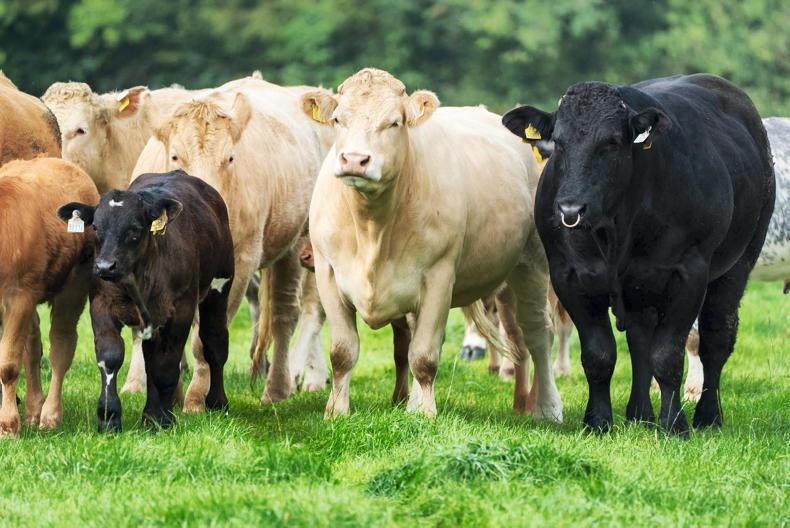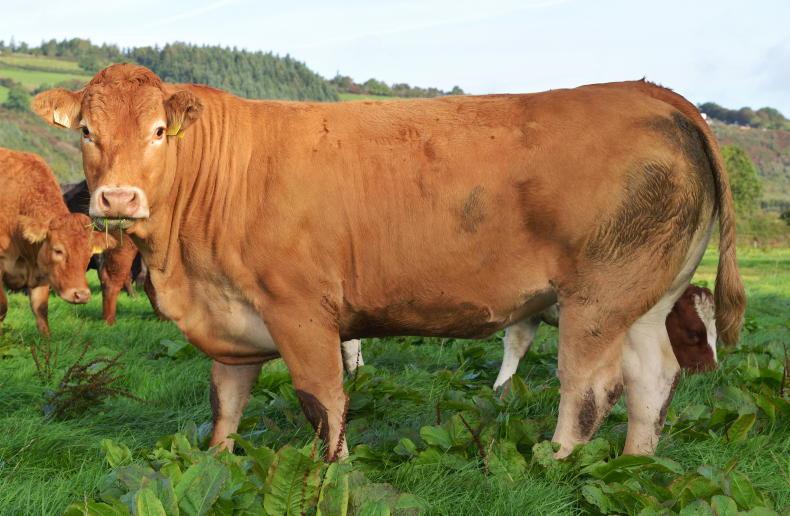
For many, tetany is associated with grazing cattle on very lush pastures.
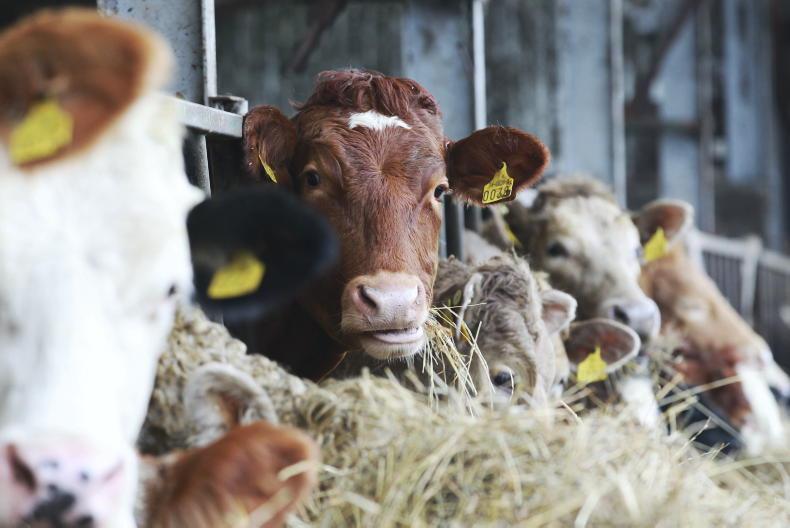
However, in recent weeks, the Irish Farmers Journal has learned of an unusual case of tetany in a housed suckler cow.
Tetany is a severe and often fatal metabolic disorder caused by low blood magnesium. Stress or poor diet can trigger the condition, leading to symptoms such as nervousness, tremors and staggering.
Traditionally, it occurs in cattle grazing grass that is low in magnesium due to rapid growth and heavy slurry spreading, which increases soil potassium and interferes with magnesium uptake.
Tetany can also occur in housed cows fed solely on a silage-based diet. The risk factors and prevention methods are similar, focusing on ensuring adequate daily magnesium intake, as cows cannot store magnesium effectively.
Why it happens indoors
Low magnesium content in the silage is a major factor. This occurs when the original grass has low magnesium, especially if the soil has a high potassium or nitrogen levels due to heavy fertilisation.
High levels of potassium and nitrogen in feed can interfere with magnesium absorption from the rumen, even if the overall total content in the silage seems adequate.
Lactating cows are especially susceptible due to milk production increasing the demand for magnesium.
Prevention in the housed suckler cow
Suckler cows at risk should receive magnesium supplementation. This can be in powder form dusted over the silage or provided as boluses or mineral licks.
It is important to monitor mineral lick consumption to ensure cows are receiving the required amount daily. it’s recommended that one bucket should be provided for every 10 cows
Buffer feeding by providing cows with a source of dry, high-fibre forage such as hay or straw can improve magnesium absorption in the digestive system by slowing down the passage of feed through the gut.
It is recommended to analyse silage for mineral content to check potassium and magnesium levels so that mineral supplementation can be tailored for the herd.