


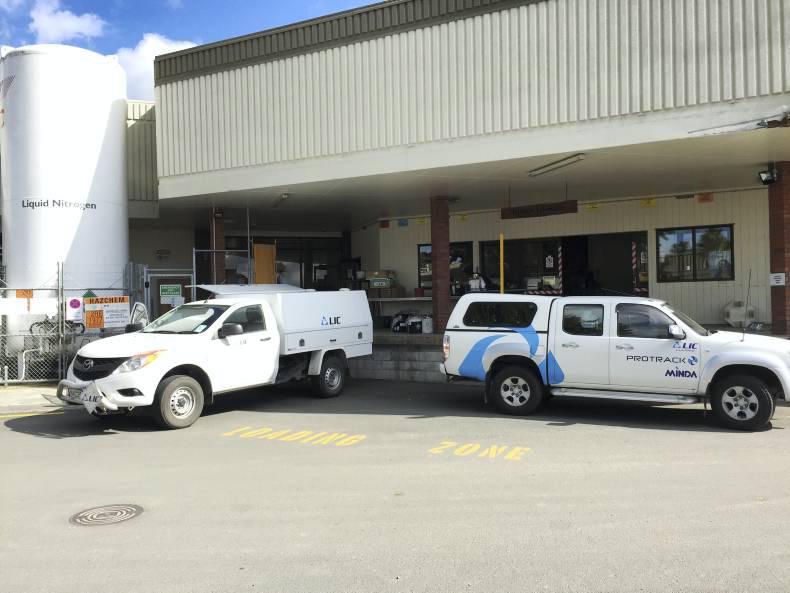
LIC, the largest animal breeding company in New Zealand, is responsible for collecting, distributing and inseminating over 80% of all the AI straws used.
Similar to Ireland, the majority of the cows calve in the spring and the breeding season is in early summer, but because the seasons are reversed in the Southern Hemisphere, the peak months in the New Zealand breeding season October and November.
On 10 November the Irish Farmers Journal visited the LIC headquarters in Hamilton to see how the company organises its AI collection and distribution.
LIC are responsible for training all AI technicians. Before, technicians used to be trained using cows in meat factories but in the last year, LIC have developed a simulation cow with the help of set designers from Lord of the Rings, which is filmed in New Zealand.
This simulation cow looks and acts like a real cow, with urine and faecal movements. Since starting to train technicians on this, the pass rate for technicians who are tested on live cows has increased from 55% to 90%.
Fresh semen
The majority of AI technicians in New Zealand use fresh semen, this is semen that has never been frozen. As it must be used within four days, there is a massive logistical effort in getting fresh semen collected and distributed throughout the two islands.
The advantages of fresh semen are that it does not need to be thawed out, unlike frozen semen, so this speeds up the insemination process. On many large farms, there could be 50 or 60 cows to be inseminated on any given day so time is critical.
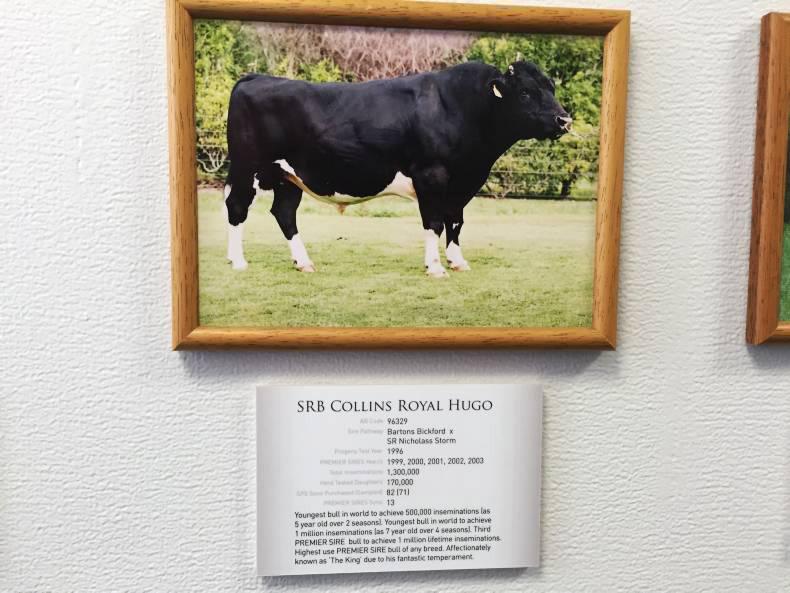
During the peak of the breeding season, over 130,000 straws are collected daily. The LIC team of Premier Sire bulls, 18 of which are Holstein Friesian, 12 Jersey and 16 Kiwi Cross are kept outdoors in their own paddock.
At 5am, they are brought in to the bull yard using a tractor and trailer to reduce the amount of walking they need to do. There are six or seven teaser cows tethered here, and after some cajoling and strategic placement of an artificial vagina, two ejaculates per bull are collected. The bulls are handled by two technicians at all time.
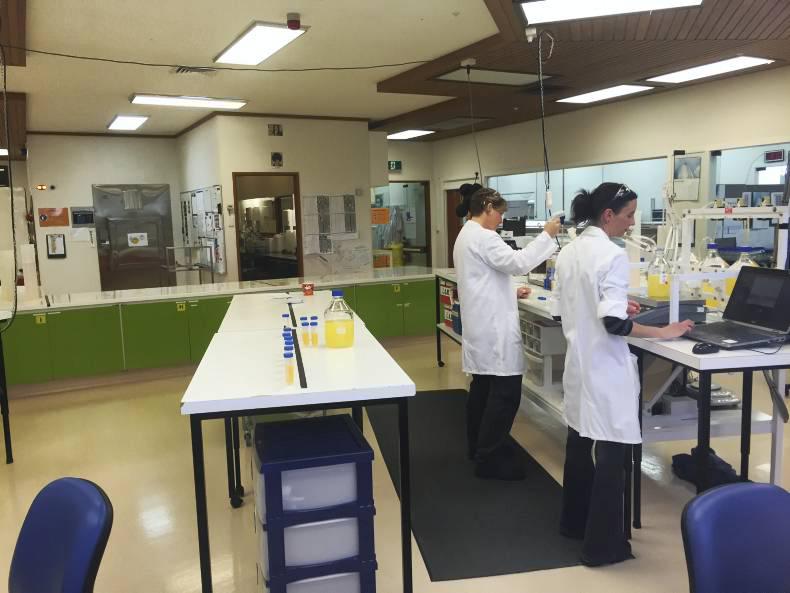
The ejaculate is then taken to the lab where a sample is tested for sperm count and viability. From here, the sperm cells are counted and sorted by a computer and then diluted into straws. Each ejaculate will make between 3,000 and 5,000 straws.
Once the straws are packed, the race is on to get them distributed across the country in time for the following morning.
As a contingency, 1.25 million straws are kept in quarantine in locations throughout the island. The biggest risks to the distribution of straws are a Foot and Mouth Disease outbreak, earthquake, or a major weather event.
An Air New Zealand aeroplane departs from Hamilton airport at 1pm every day with a consignment of straws for the South Island. If this flight was delayed or cancelled for whatever reason the local Flying Arrows aircraft club are on standby, and if they can’t travel due to bad weather a charter company is used.



SHARING OPTIONS