


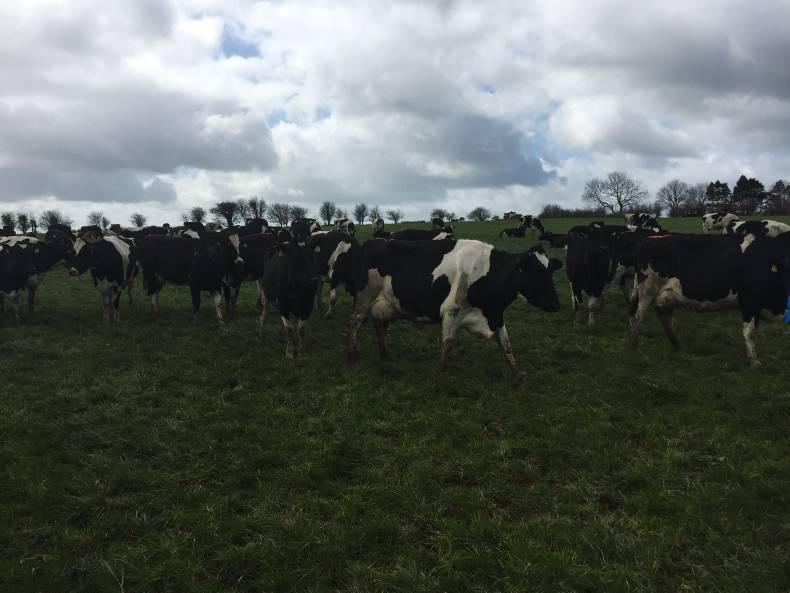
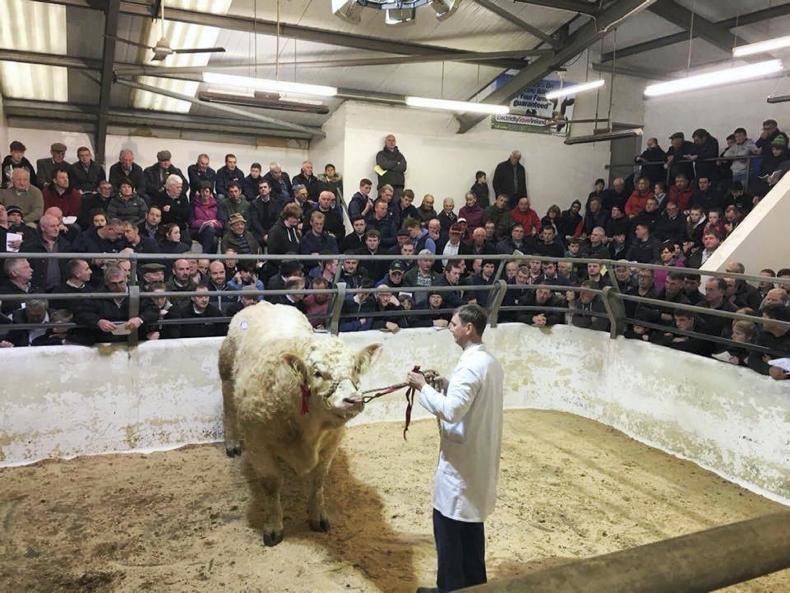
Bull power: A good few farmers are considering reducing AI usage this year in order to cut costs. It came up last week at a number of farm walks and discussion group meetings. There are two things to keep in mind if considering doing it. Firstly, and most importantly, have you sufficient bull power to replace AI? The rule of thumb is one young bull to every 15 empty females and one mature bull to every 25 or 30 empty females. Calculating how many empty females you have is fairly straightforward: about half of the cows inseminated with AI should be pregnant. This may be higher or lower, depending on how good or bad fertility in your herd is. The risk with having too many empty cows or maiden heifers per bull is that the bull gets burned out, or is not physically capable of mating with all cows that are bulling. Having more than one bull also reduces the risk of an infertile bull affecting conception rate.
The other concern surrounds having quality replacements. You don’t want to be milking cows from stock bulls, as their quality and reliability is much lower. Yes, the stock bull might have a high EBI, but that doesn’t guarantee success. So use sufficient AI to generate enough replacements. The old rule of thumb was five dairy AI straws for every two-year old calved heifer in the milking parlour. A compromise could be to increase the use of lower-cost beef AI. Some AI companies are offering cheaper repeats on beef bulls too. You need to keep an eye on calving ease and gestation length when picking beef bulls, though.
Silage ground: Normally, we would be talking about closing and spreading fertiliser on silage ground by 14 April. With all the rain and the low grass growth, the majority of farmers have no silage ground closed to date. I wouldn’t be too worried just yet. The important thing at the moment is to keep the milking herd as well fed as possible. So if this means grazing what was traditionally the silage ground twice, then do it. Whenever growth does rise, whether it is this week or next week, all covers will rise together and silage ground can be closed off then and fertiliser for silage can be spread then. The important thing is to keep all the farm growing as best you can. There should be at least 70 units of nitrogen spread to date and, depending on when the last of the nitrogen was spread, another 25 or 30 units/acre is due this month.
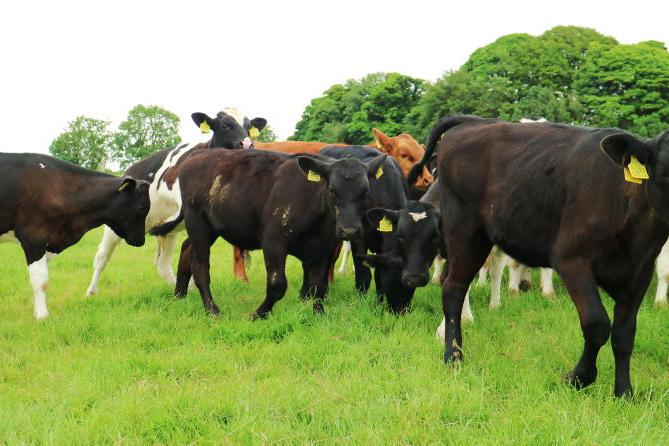
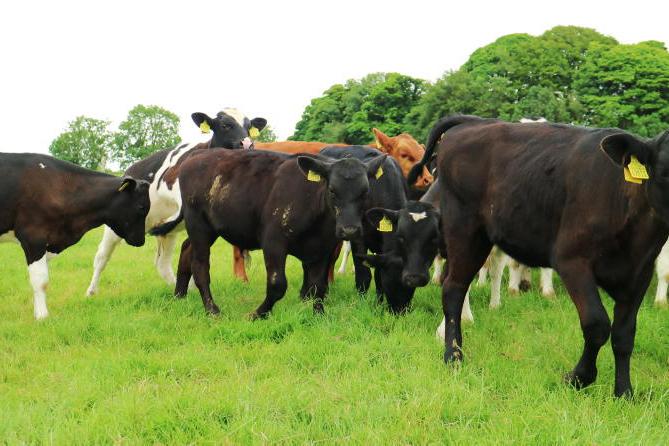
Bulling heifers: On herds with poor fertility, maiden heifers should be bred a week before the main herd, to give these animals the best chance of remaining in the herd from year one to two. For many, this means starting AI or letting off bulls next week. Many maiden heifers are still in sheds. We know from the past that housed heifers go in calf just as well as those outside, so don’t be overly worried if inseminating while indoors. The best heat detection aid for heifers seems to be scratch cards. Use carpet glue when applying, even if the scratch card has a sticky back. The scratch cards cost about 75c/each.


SHARING OPTIONS