




Ripeness by Sarah Moss. Published by Picador, €17.
Sarah Moss celebrates a significant birthday this year. An academic and writer, she was appointed assistant professor of creative writing at University College Dublin almost five years ago, and is a weekly columnist with The Irish Times.
Moss is also a prolific writer, with two memoirs, and now, in a perfect birthday celebration, her ninth novel.
She has already set a very high bar for herself. Her previous work includes Summerwater and The Fell, both of which I enjoyed. However, it has been her other work that has seen her nominated for, and in cases win, literary awards.
Moss’s latest work, Ripeness, is somewhat longer than her other novels, and she has broadened her horizons too. The book uses the style of a dual narrative, though the voices are those of the same woman, Edith. Without giving away too much, the novel is also very much of its time with certain themes, and will make the reader think more deeply about issues facing us in society today.
We see and hear about 17-year-old Edith, set to go to Oxford, but who is sent to join her older sister Lydia in Italy instead.
A professional ballerina, Lydia is pregnant, but will give up the baby almost immediately after its birth. This part of the story is narrated by Edith.
In the second narrative strand, Edith, now in her 70s and living in the west of Ireland, has a best friend in Méabh.
The latter is contacted by an older brother she did not know she had. He was adopted and raised in America, and wants to know more about “where he comes from”. This element of the book is in the third person.
The friendship between Edith – with a very interesting back story which sees her hold four passports, English, Irish, French and Israeli – and Méabh is put to the test over plans to house African refugees in their village.
Edith supports the move and Méabh opposes it, even though the latter is sympathetic to the Ukrainian refugees who live there.
As in the case of real-life stories such as this, there is no perfect solution, and Moss does not impose one on the reader.
She deals with the issues in a thoughtful way, and in doing so she has written another beautiful piece of work.
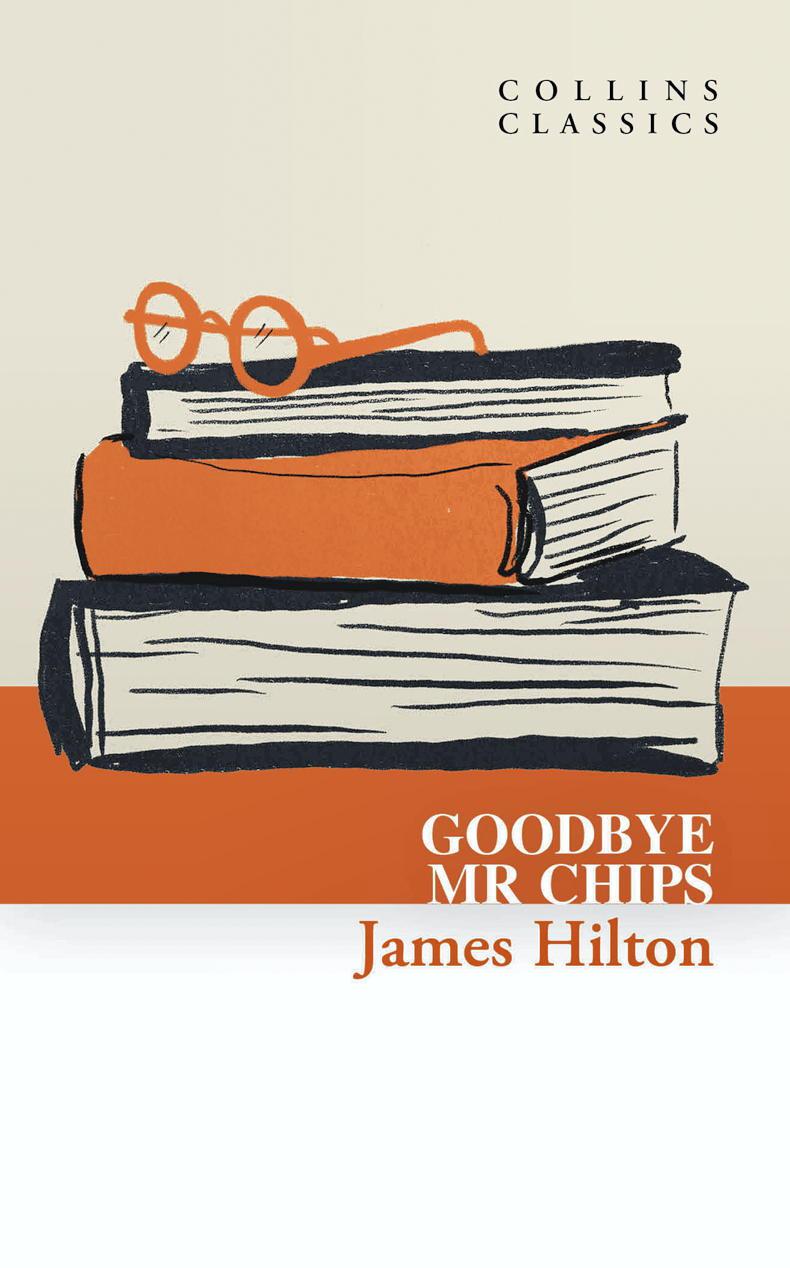
Goodbye, Mr Chips by James Hilton. Published by William Collins, €4.35.
There are few more satisfying reads in the English language than Goodbye, Mr Chips. This is a short but touching story of a schoolmaster, which is sweet, simple and unforgettable. The book will certainly make you think fondly of good teachers you had, but there is more to it than that. Many will have seen the classic movie made five years after the book was published.
The book came out in June 1934 and the story concerns Arthur Chipping, affectionately nicknamed Mr Chips. He has taught at Brookfield Boarding School where his life has unfolded, from being an uncertain young instructor into that of a benevolent presence in the lives of generations of students. A sadly short-lived marriage, retirement at the age of 65, and his return to teaching due to the demands of World War I all feature in a tale of decency.
Chipping inspires loyalty in his students, wins their devotion and has pleased generations of readers.
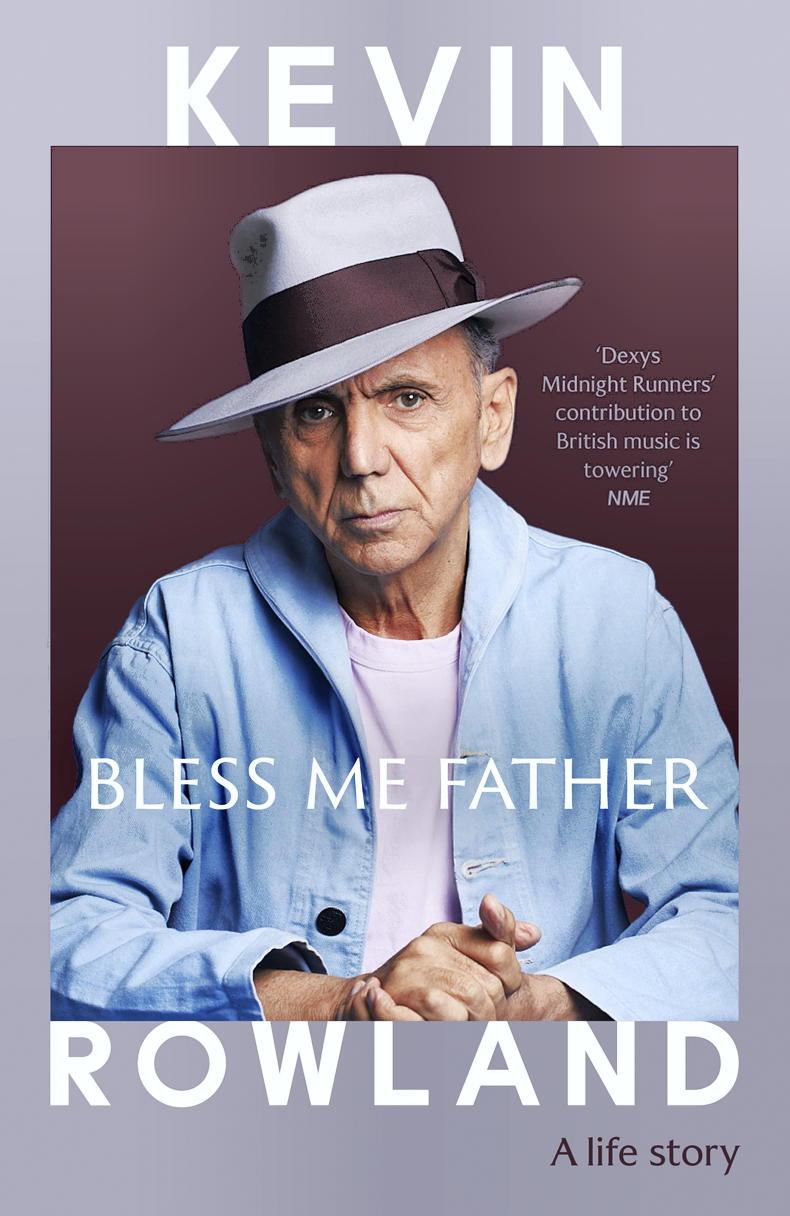
Bless Me Father by Kevin Rowland. Published by Ebury €30.
Do you remember 1982 and Come On Eileen? The song, a sort of soul meets Irish folk sound was a big hit for Dexy’s Midnight Runners and their iconic frontman Kevin Rowland. Many might not realise that Rowland is the son of Irish parents who emigrated to England. This was something new for me, thanks to a searingly honest autobiography of the man. He and his band challenged norms at the time, not least because of the way they dressed, but Rowland appears to have been troubled throughout his life.
Inexplicably, Rowland’s father seems to have assumed his son was trouble from day one, and Kevin’s attempts to prove this was not the case failed, leading to an early life of crime and fighting. Rowland lacks self-pity, though he also lacks self-belief, and is quite hard on himself in this book. In spite of it all, you will be full of admiration for Rowland, and how he rebounded from addiction and made a life again for himself.
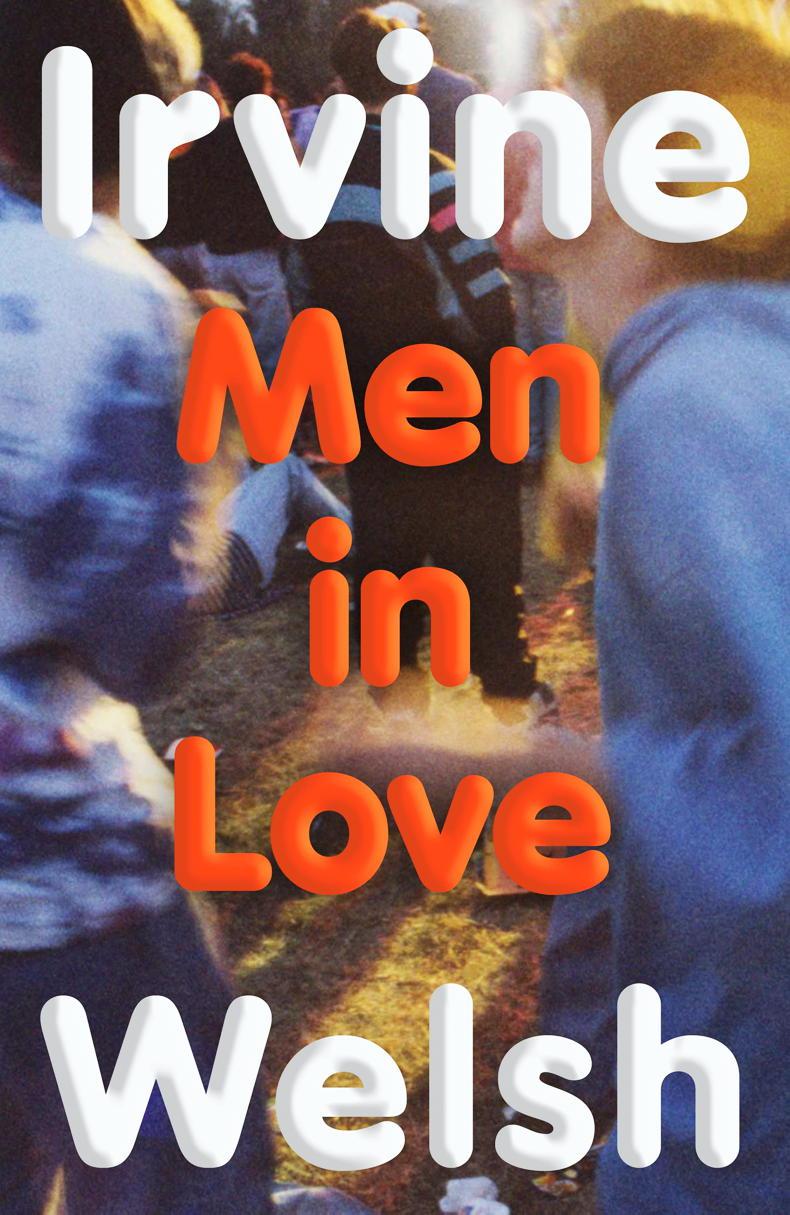
Men In Love by Irving Welsh. Published by Jonathan Cape, €17.
Selling more than a million copies in Britain alone, Irvine Welsh’s debut 1993 novel Trainspotting spawned what can best be described as an era-defining film. You can imagine that there have been many demands for Welsh to write a sequel, and 14 novels later he has done so. We meet up again with Renton, Sick Boy, Spud and Begbie.
Back in the days of Trainspotting, the late 1980s and nearing the end of Margaret Thatcher’s iron-grip on Britain, “there wasn’t an album they wouldn’t buy, or a drug they wouldn’t try. They spiralled out of control and they were left with nothing. Nothing but the eternal quest of all men; the search for love”.
In his newly-published sequel Men In Love, Welsh takes up the stories of the four boyos. However, this is a book that the author feels will appeal more to women than Trainspotting may have done. Welsh does not shy away from telling it as it is, but with a softer touch.




SHARING OPTIONS