


Book of the month
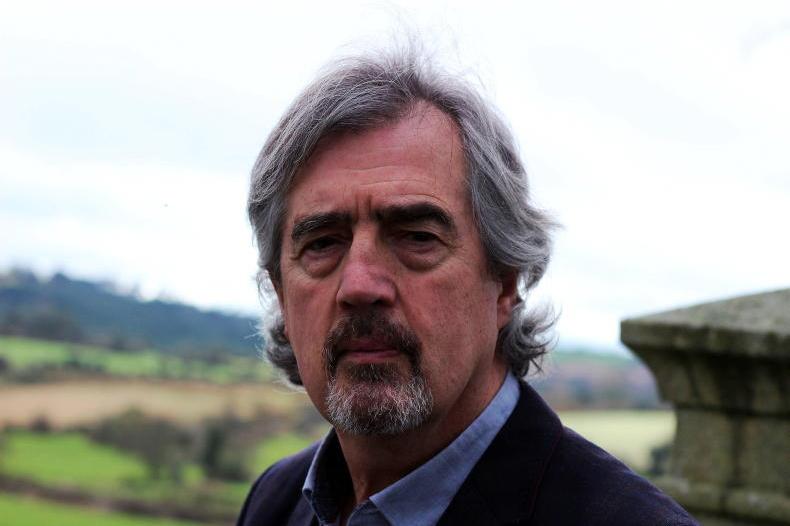
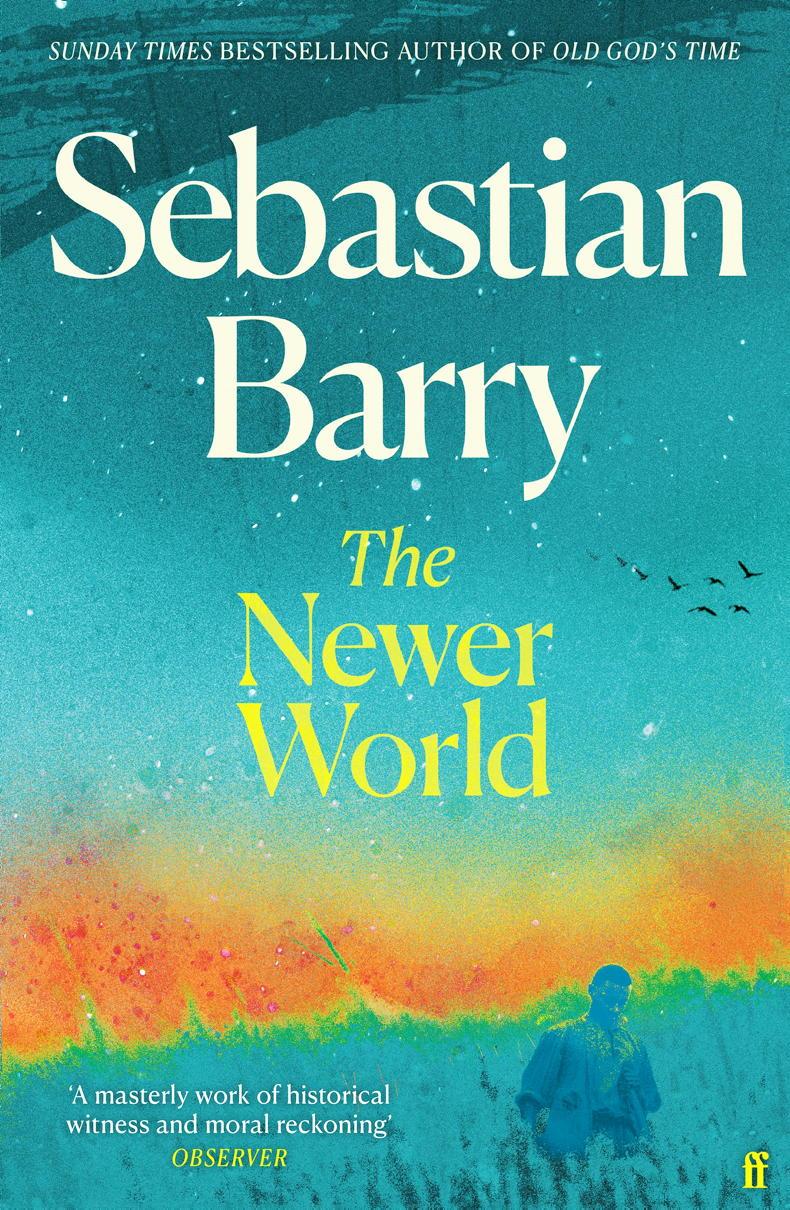
The Newer World, by Sebastian Barry. Published by Faber, €25
Sebastian Barry is like your go-to meal in your favourite restaurant – he never disappoints. No matter how many times you read one of his works, you come away feeling absolutely sated. If you are a fan of his work, you will have that same satisfied feeling after his latest novel, The Newer World.
It may surprise you to know that Barry’s four-decade long writing career has been just as prolific writing plays as it has been penning novels, while he has several volumes of poetry to his credit.
A son of the distinguished actress Joan O’Hara, he has drawn on his family background for some of his works, and he has been a multiple literary award winner, with three of his books having been nominated for the Booker Prize.
A Long Long Way (2005) and The Secret Scripture (2008) were both shortlisted for the most prestigious award in literature, while On Canaan’s Side (2011) was longlisted. When Days Without End (2017) was named the Costa Book of the Year, it meant that Barry was the first novelist to win it twice, that book joining The Secret Scripture on the roll of honour. It is not only in Ireland that Barry is renowned.
Having been our Laureate for Irish Fiction from 2018 to 2021, he was later bestowed with one of France’s highest honours for making a significant contribution to literature.
The Newer World continues in Barry’s celebrated style of having a rich cast of characters. If you have read Days Without End, featuring Thomas McNulty and once named by the BBC on a list of the 100 most influential novels, and A Thousand Moons which centred on a minor character in the former, Winona, you will know of Barry’s ability to tell stories which are said to be a fictionalised account of his own family history.
In his latest work, the third part of a trilogy of sorts, he again plucks a minor figure from those two works and takes them centre stage. This is Tennyson Bouguereau, a slave with a penchant for singing. We are talking about post-Civil War America, but this tale sweeps from there to Nashville, and later to Victorian England, where everything changes.
“Freed not the same as free” is a line from the book that has a profound meaning and is also evident in the story told by Bouguereau. Barry’s thoughtful insight into a world that is alien to us may well have something to do with bringing his own experiences to bear on the characters.
It has helped him to write a moving work that explores issues such as belonging and identity.
His melodious writing also makes this one of the best books of the year.
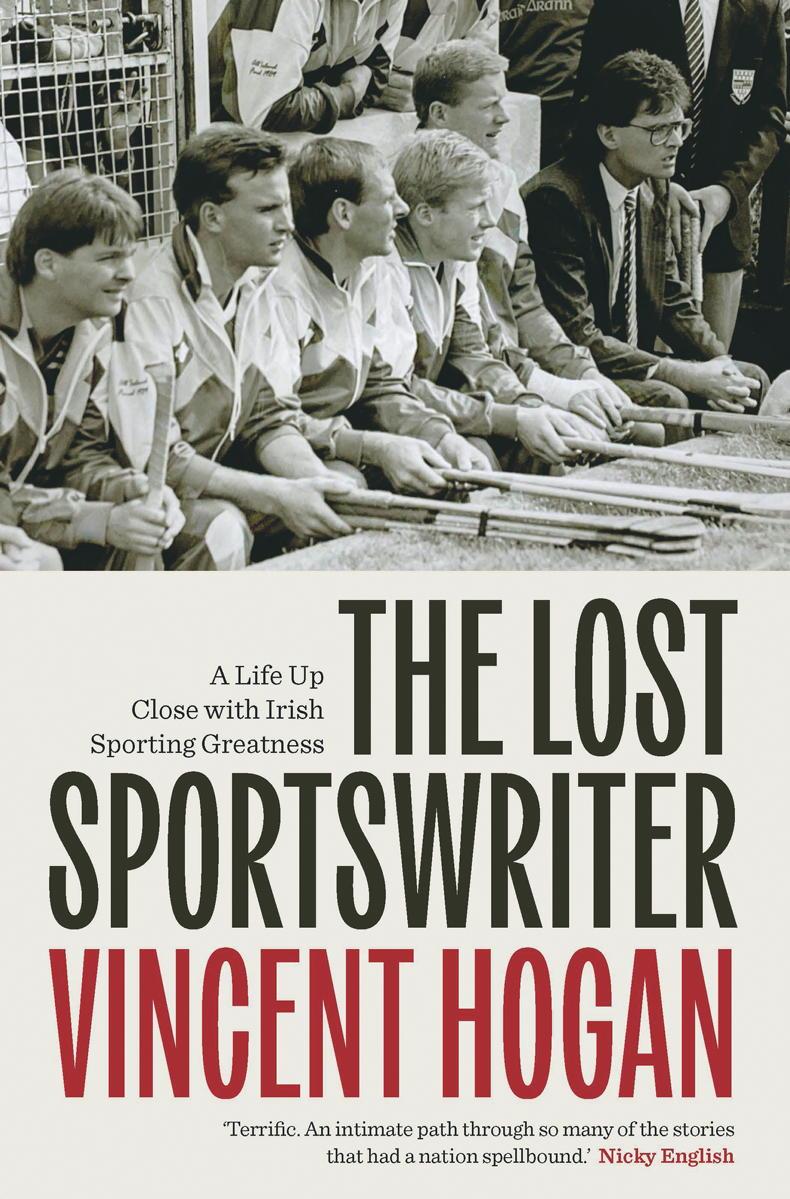
The Lost Sportswriter, by Vincent Hogan. Published by Gill Books, €25
In ways, The Lost Sportswriteris a sad book. It is the memoir of Vincent Hogan, one of the finest sports journalists of the past half a century. I only met him once, having had lunch in his company at the Galway Races, and he made a huge impression on me in that short space of time.
Now he has ceased writing, at a time when he should still be entertaining us with colourful, but truthful, insights into sport, the athletes and more. At the age of 60, it seems almost insulting to label him as a veteran, but he has given us more than four decades of joy.
A changed landscape, not for the better, had led to his retirement.
His memoir is a celebration of his work and life, and as such is a classic of the genre. He will be sorely missed.
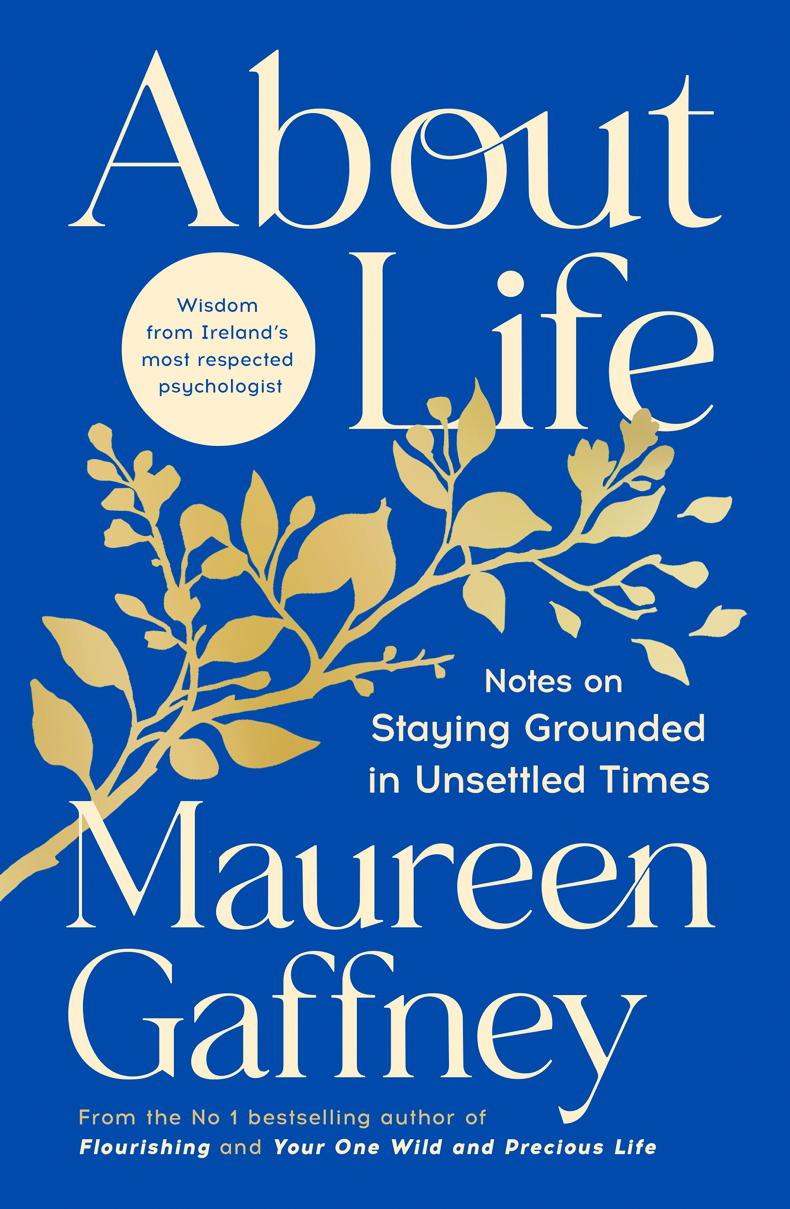
About Life, by Maureen Gaffney. Published by Sandycove, €19
It is incredible to think that for less than the price of a main course in any restaurant, you can have access to some of the wisest words you are ever likely to read. Maureen Gaffney is truly a national treasure, a much-hackneyed phrase but one that can be justifiably used to describe her.
Maureen’s new work is an important one for the times we live in, but its importance can be gauged from her own words. “This book is about the most important lessons I have learned in my life.” Given her wisdom, empathy, and her honesty, these are lessons for us all to know about and learn from.
I once interviewed Maureen in front of a packed school assembly made up of parents and senior boys. The latter group hung on every word she said, as I did too, and no wonder. Essential textbook for living now.
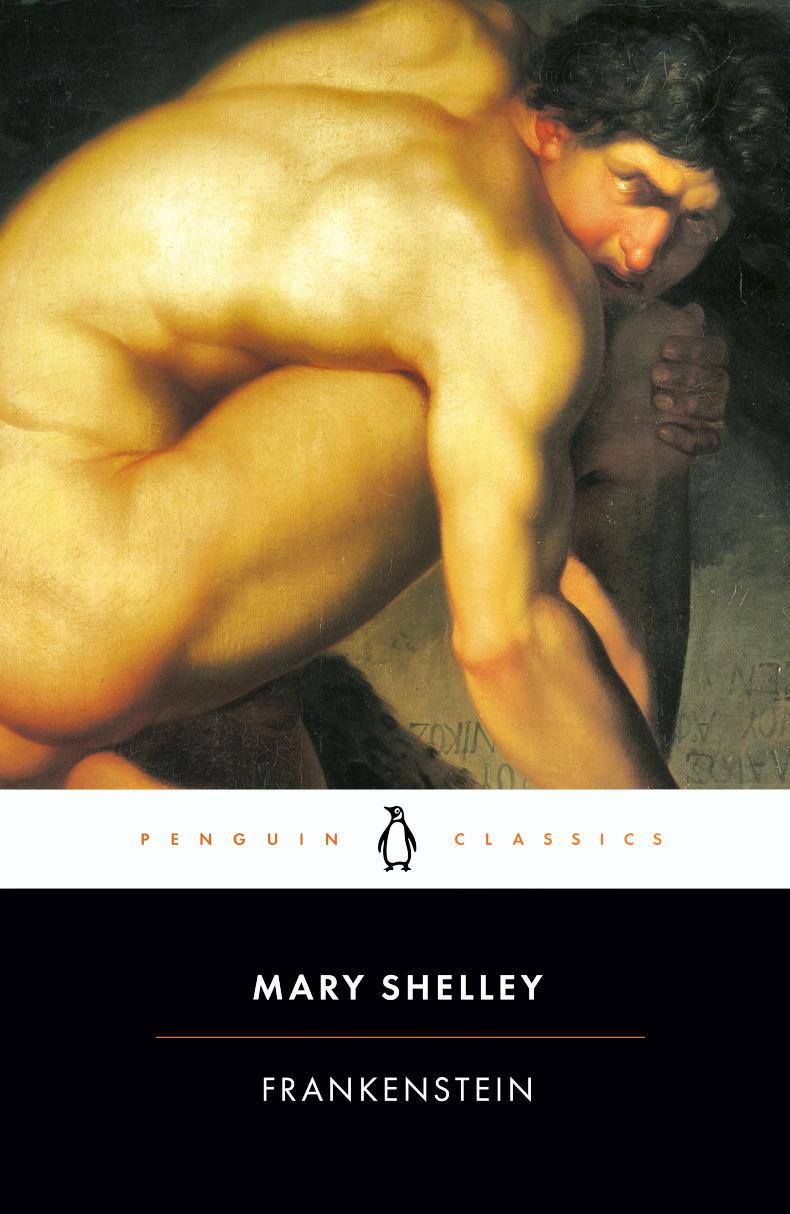
Frankenstein, by Mary Shelley. Published by Penguin Vintage Classics, €10.79
In some ways it is hard to believe that at the age of just 21, Mary Shelley’s classic horror story Frankenstein was first released in print. It did appear in later editions, and though the story did not change, Shelley did amend parts of the language.
The book came about after a challenge of sorts. Lord Byron and Percy Bysshe Shelley, sitting with the latter’s wife Mary, were set the task of each writing a ghost story. The two men later abandoned the assignment, but then 19-year-old Mary kept at it.
Her plan was to find a theme that “would speak to the mysterious fears of our nature and awaken thrilling horror – one to make the reader dread to look around, to curdle the blood, and quicken the beatings of the heart.” It is based on the work of Charles Darwin’s grandfather Erasmus. It is said Shelley terrified herself with the book.

