


Breadmaking can be a tricky process even for experienced cooks. What is the dough supposed to look like? How long do I knead for? What is the right amount of elbow grease?
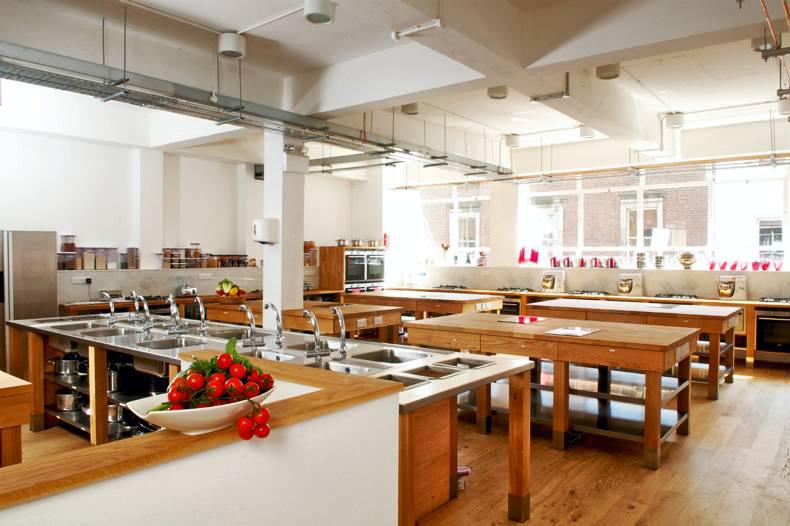
With these confounding questions in mind, and notions of being very virtuous by making our own bread at home, Irish Country Living paid a visit to Cooks Academy in the heart of Dublin city to master the art.
The course, delivered by Damien Reynor and Darina Kelly, thankfully focused on the basics and offered helpful tips on how to knead dough (don’t be afraid to be a bit rough) and how to make the perfect brown bread. With a mixture of demos and hands-on cooking, we learned how to make everything from pizza bases to banana bread, and even gave plaiting bread a try – not as difficult as it looks.
Cooks Academy caters for all levels of experience, with programmes ranging from certificates to supper clubs and corporate events. The common denominator between all is the emphasis on enjoyment.
The day-long course Irish Country Living took part in included lunch – and you got to bring home whatever you made. The class lasted from 10am to 4pm and cost €150.
White Yeast Bread
(Fresh Yeast)
Makes 2 x 1lb/450g loaves
20g/¾oz fresh yeast (or 10g dried yeast)
425ml/15 fl oz tepid water
2 tbsp extra virgin olive oil
2 tsp salt
15g/½ oz sugar
675g/1½ lbs strong white flour
Sesame/poppy seeds for top
Equipment: Large, wide bowl; baking tray; pastry brush
1 Preheat the oven to 220°C. Sponge the yeast in 250ml/5 fl oz of tepid water, leave in a warm place for about five minutes.
2 In a large, wide mixing bowl, sieve the flour, salt and sugar. (Alternatively, you can do this directly on the worktop).
3 Make a well in the centre and mix in the oil and pour in the sponged yeast and most of the remaining lukewarm water.
4 Mix to a loose dough, adding the remaining liquid or a little extra flour, if needed.
5 Turn the dough out on to the work surface and then knead for about 10 minutes or until smooth and shiny, springy and elastic (if kneading in a food mixer with a dough hook – five minutes is usually long enough).
6 Put the dough in a large bowl. Cover the top with cling film, leaving enough room for dough to double in size (yeast dough rises best in a warm, moist atmosphere).
7 When the dough has doubled in size (1½ to two hours), knock back by punching the air out of it. Divide by weight into the amounts needed for shaping.
8 Round up and allow to rise (prove) for 10 minutes.
9 Shape the bread into loaves, plaits or rolls, as desired.
10 Transfer to a baking sheet lined with parchment paper and cover with a light tea towel if you are not going to egg wash.
11 Brush with egg wash and sprinkle with poppy or sesame seeds (optional). Or dust lightly with flour for a rustic-looking loaf.
12 Allow to prove (rise again) in a warm place, until the shaped dough has again doubled in size.
13 The bread is ready for baking when a small dent remains when the dough is pressed lightly with the finger.
14 Top with the sesame or poppy seeds.
15 Bake in a preheated, hot oven at 220°C for 25 to 35 minutes, depending on size.
16 The bread should sound hollow when tapped underneath. Cool on a wire rack.
Visit www.cooksacademy.com for more


SHARING OPTIONS