




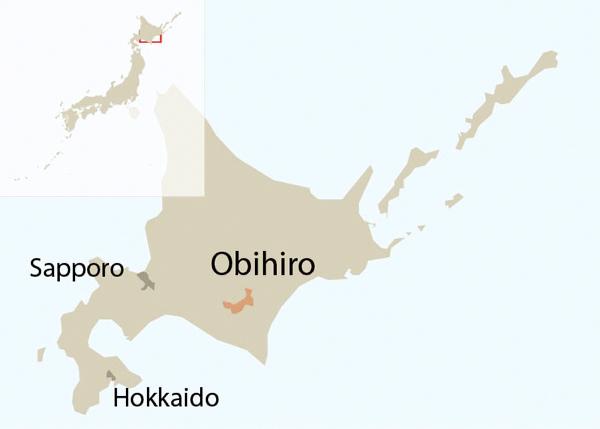
Mr Masuchi is married with three children and farms 75ha near Obihiro on Hokkaido Island in Northern Japan. When he started to work on the farm at 18 years of age it was 42ha. He is positive about farming and is planning to expand again to more than 100ha but the price of land in this area is very expensive.
Last year he paid over 500,000 Yen per 0.1 ha (€37,000 per ha). This was land that was owned by a farmer who retired. In Japan, land can only be farmed by the person that owns it; there is no culture of land rental.
What is important for Mr Masuchi is that his 12-year-old son is interested in farming. Like him, his son will study at the Hokkaido Ag High School before returning to the farm.
His farm enterprise consists of 28ha of wheat, 16ha of potatoes, 14ha of sugar beet, 1ha of maize corn and 16ha of sweet red beans. He does most of the machinery work himself with three Kubota tractors and one older Massey Ferguson.
He shares four Claas combine harvesters between 28 farmers for a 400ha cereal harvest and the red bean harvest in the local region. He also shares the sugar beet harvesting machinery. Most of the crops are harvested directly into trucks rather than tractor trailers.
Profitable crop
The red bean is the most profitable crop on his farm. Japanese consumers love red beans. They give a high return with lower inputs required compared with cereal, sugar beet or potato crops. With a yield of 350kg per 0.1ha, the return can be in the region of 120,000 Yen (€900) per hectare.
His fertilizer use includes farmyard manure from a local dairy herd. The manure is composted for two years before being spread at about 50 tonnes per hectare. He has a crop rotation that includes two crops of wheat, followed by sugar beet, beans and potatoes. The soil is deep, free-draining and easily tilled. The farm uses plastic mouldboard ploughs but only ahead of the cereal crops. All other crops are sown without the need for ploughing.
Fertilizer and chemical use on the farm seemed high during our visit, but it is difficult to tell if some of this detail was lost in translation.
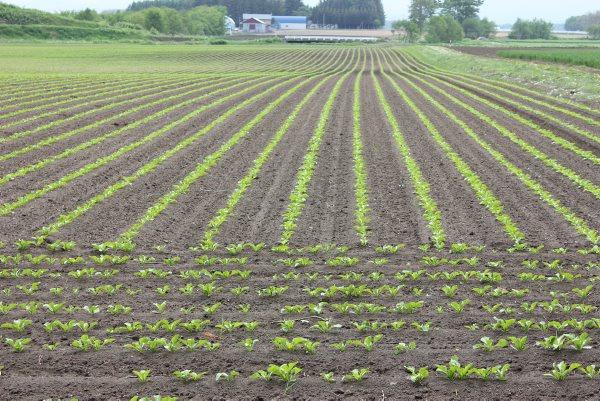
Sugar beet crops are sown in 66cm rows on the flat. Yields are about 6 to 8 tonnes/0.1ha (60 to 80 tonnes per hectare) at 17% sugar content. There is a government subsidy for sugar beet production but it is difficult to find out the profit level details as a result.
Across the board, Mr Masuchi estimates that government subsidies account for a 20 to 25% top-up in farm incomes. That excludes the investment subsidies from the state farming bank and the support for the likes of extensive irrigation projects that are being planned in this area.


SHARING OPTIONS