


1. Start a
personal budget
Grainne Griffin,
director of
communications at the CCPC
“The number one piece of advice I would give is to take an hour to work out a basic personal or household budget.
Everyone has so many different expenses to keep track of, from regular monthly bills like rent or mortgage payments, subscriptions, and travel tickets. Then there are the annual bills that are easy to forget until they come around, like car insurance or property tax.
Understanding where your money goes can be really empowering.
“The best way to stay financially fit is to record the significant or regular expenses you have for the year, along with estimated spending on fluctuating expenses such as groceries and entertainment.
“If you know what your total bills are likely to come to for the year, then you can work out how much to set aside every month so that by the time the bill rolls around, you’ll have the money ready to go. ccpc.ie has an online budget planning tool that can make recording your expenses much easier.
“When you’re setting money aside for those large expenses, it can be a good idea to save them into their own specific accounts. Lots of bank accounts now allow you to set up pockets or vaults for dedicated savings.
And a separate account for bills means that you don’t risk dip into savings you are building up for car insurance, for example, when you’re doing the weekly shop.”
2. Rainy day fund
John Lowe,
moneydoctors.ie
“Unexpected expenses, whether it is medical emergencies, car repairs, or job loss, are inevitable, so the rainy day fund is vital. A budget encourages the habit of saving regularly, creating a financial cushion known as the emergency fund.
Experts recommend saving at least three to six months’ worth of living expenses – your net monthly income. Having such a buffer provides security, reduces anxiety, and prevents reliance on high-interest debt during crises.
You should have a regular saver account too – a minimum of €100 per month – saving for holidays, Christmas or even the bubble car payment at the end of three years.
“Budgeting fosters discipline by requiring you to review and analyse your spending habits regularly. This accountability helps you identify wasteful expenditure and develop healthier financial habits.
“Over time, disciplined budgeting ingrains responsible financial behaviour, which is crucial for long-term financial stability.
“When you have a clear picture of your finances, making decisions becomes easier.”

Best-selling writer John Lowe from moneydoctors.ie, who recently published Money Doctors 2026, the 21st edition of the best-selling financial annual.
3. Claim all of your tax credits
Tadhg Moriarty, chartered accountant, and AITI Chartered tax advisor with taxassist.ie
“One of the simplest ways to improve your finances in 2026 is to ensure that you are claiming all the personal tax credits available to you. In practice, I repeatedly see individuals not claiming certain personal tax credits.
These include: Home Carer Tax Credit, Rent Tax Credit, Medical Expenses Tax Credit, Year of Marriage Tax Credit, Mortgage Interest Tax Credit, Income Continuance tax relief and relief for an employer paying medical insurance on your behalf.
If you are self-employed, or a company director, you can claim these credits on your Form 11 tax return. If you are a PAYE taxpayer you can claim through your Revenue MyAccount.
“Another great way to save money on your tax bill is to pay money into a pension. Even if you are now part of the new Government MyFutureFund scheme, subject to financial advice, it might be worth also setting up your own pension plan.
The Government provides generous tax relief at your marginal tax rate (which can be 40%) to encourage people to pay into their pension. By way of example, if you pay tax at the higher rate of 40% then for every €1,000 you pay into a pension plan you could potentially reduce your tax bill by €400.”

Tadhg Moriarty, FCA CTA AITI.
4. Start or strengthen your
investment strategy
Carol Brick,
managing director
of CWM Wealth
Management Ltd and HerMoney Ltd
“Investing is often misunderstood as something ‘only for experts’. But in reality, investing steadily over time is one of the most powerful ways to build wealth.
“You don’t need large sums to begin – you simply need consistency and a long-term approach. Ask yourself: Do I understand the basics of investing? Am I invested in a way that suits my risk level? Should I diversify my investments? Am I contributing regularly? Would professional guidance help?
“Market highs and lows will always happen. What matters more is staying committed to your long-term plan. A well-structured investment strategy supports your future.”
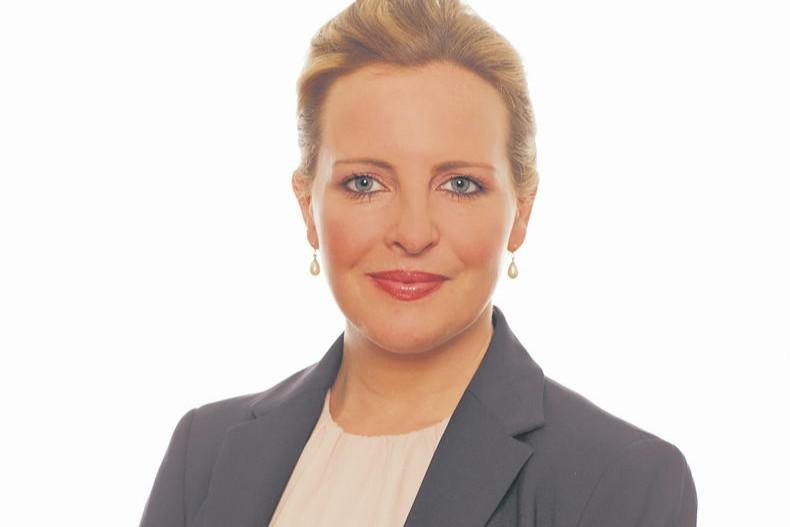
Carol Brick, managing director of CWM Wealth Management Ltd and HerMoney Ltd.
5. Get travel insurance
Jason Whelan,
managing director of
multitrip.com
“Holidays remain a top priority for most people even when budgets are tight. But one place you should never cut corners is travel insurance. Unlike flight prices, travel insurance costs don’t fluctuate as your departure date approaches. Booking your travel insurance as soon as you book your trip ensures you’re protected from day one, especially for cancellation cover.
“It’s a good idea to buy travel insurance as soon as your book the trip. Check what’s covered, including optional add-ons.
“Often, choosing an annual travel insurance policy helps you save money, as depending on the number of trips planned and their duration, you’re likely to pay less overall when compared to buying individual single-trip policies.”

Jason Whelan, managing director of multitrip.com.
1. Start a
personal budget
Grainne Griffin,
director of
communications at the CCPC
“The number one piece of advice I would give is to take an hour to work out a basic personal or household budget.
Everyone has so many different expenses to keep track of, from regular monthly bills like rent or mortgage payments, subscriptions, and travel tickets. Then there are the annual bills that are easy to forget until they come around, like car insurance or property tax.
Understanding where your money goes can be really empowering.
“The best way to stay financially fit is to record the significant or regular expenses you have for the year, along with estimated spending on fluctuating expenses such as groceries and entertainment.
“If you know what your total bills are likely to come to for the year, then you can work out how much to set aside every month so that by the time the bill rolls around, you’ll have the money ready to go. ccpc.ie has an online budget planning tool that can make recording your expenses much easier.
“When you’re setting money aside for those large expenses, it can be a good idea to save them into their own specific accounts. Lots of bank accounts now allow you to set up pockets or vaults for dedicated savings.
And a separate account for bills means that you don’t risk dip into savings you are building up for car insurance, for example, when you’re doing the weekly shop.”
2. Rainy day fund
John Lowe,
moneydoctors.ie
“Unexpected expenses, whether it is medical emergencies, car repairs, or job loss, are inevitable, so the rainy day fund is vital. A budget encourages the habit of saving regularly, creating a financial cushion known as the emergency fund.
Experts recommend saving at least three to six months’ worth of living expenses – your net monthly income. Having such a buffer provides security, reduces anxiety, and prevents reliance on high-interest debt during crises.
You should have a regular saver account too – a minimum of €100 per month – saving for holidays, Christmas or even the bubble car payment at the end of three years.
“Budgeting fosters discipline by requiring you to review and analyse your spending habits regularly. This accountability helps you identify wasteful expenditure and develop healthier financial habits.
“Over time, disciplined budgeting ingrains responsible financial behaviour, which is crucial for long-term financial stability.
“When you have a clear picture of your finances, making decisions becomes easier.”

Best-selling writer John Lowe from moneydoctors.ie, who recently published Money Doctors 2026, the 21st edition of the best-selling financial annual.
3. Claim all of your tax credits
Tadhg Moriarty, chartered accountant, and AITI Chartered tax advisor with taxassist.ie
“One of the simplest ways to improve your finances in 2026 is to ensure that you are claiming all the personal tax credits available to you. In practice, I repeatedly see individuals not claiming certain personal tax credits.
These include: Home Carer Tax Credit, Rent Tax Credit, Medical Expenses Tax Credit, Year of Marriage Tax Credit, Mortgage Interest Tax Credit, Income Continuance tax relief and relief for an employer paying medical insurance on your behalf.
If you are self-employed, or a company director, you can claim these credits on your Form 11 tax return. If you are a PAYE taxpayer you can claim through your Revenue MyAccount.
“Another great way to save money on your tax bill is to pay money into a pension. Even if you are now part of the new Government MyFutureFund scheme, subject to financial advice, it might be worth also setting up your own pension plan.
The Government provides generous tax relief at your marginal tax rate (which can be 40%) to encourage people to pay into their pension. By way of example, if you pay tax at the higher rate of 40% then for every €1,000 you pay into a pension plan you could potentially reduce your tax bill by €400.”

Tadhg Moriarty, FCA CTA AITI.
4. Start or strengthen your
investment strategy
Carol Brick,
managing director
of CWM Wealth
Management Ltd and HerMoney Ltd
“Investing is often misunderstood as something ‘only for experts’. But in reality, investing steadily over time is one of the most powerful ways to build wealth.
“You don’t need large sums to begin – you simply need consistency and a long-term approach. Ask yourself: Do I understand the basics of investing? Am I invested in a way that suits my risk level? Should I diversify my investments? Am I contributing regularly? Would professional guidance help?
“Market highs and lows will always happen. What matters more is staying committed to your long-term plan. A well-structured investment strategy supports your future.”

Carol Brick, managing director of CWM Wealth Management Ltd and HerMoney Ltd.
5. Get travel insurance
Jason Whelan,
managing director of
multitrip.com
“Holidays remain a top priority for most people even when budgets are tight. But one place you should never cut corners is travel insurance. Unlike flight prices, travel insurance costs don’t fluctuate as your departure date approaches. Booking your travel insurance as soon as you book your trip ensures you’re protected from day one, especially for cancellation cover.
“It’s a good idea to buy travel insurance as soon as your book the trip. Check what’s covered, including optional add-ons.
“Often, choosing an annual travel insurance policy helps you save money, as depending on the number of trips planned and their duration, you’re likely to pay less overall when compared to buying individual single-trip policies.”

Jason Whelan, managing director of multitrip.com.
SHARING OPTIONS