


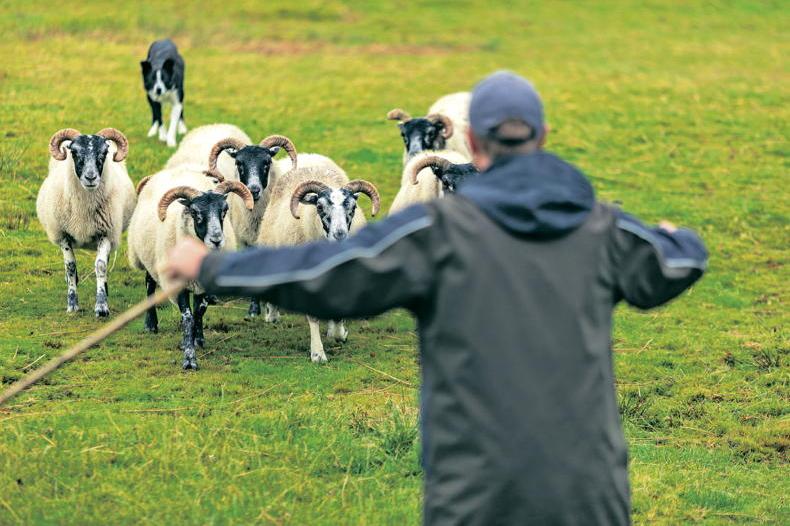
Question: We have a Border Collie working sheepdog and a Bichon Frisé belonging to the children. Their food goes in with the groceries, so I have never included it in the farm accounts. I also buy wellies, waterproofs and clothes for farming. The mobile and broadband are used by both the farm and the family, on unlimited monthly packages. Some bills come from the household account and others from the farm account. What should I be claiming?
Answer: Some of these expenses should be going into your farm accounts. Whether they are paid from the household or farm account does not determine whether they qualify. What matters is what the money was spent on.
Take the dogs. From what you have described, I would claim the working collie’s food and normal vet bills. He is kept to work sheep. The Bichon is a family pet, so his costs stay out. A collie kept as a pet would be treated no differently; it is the work the dog does that matters.
Where both dogs eat from the same bag, I would not divide the bill equally just because there are two of them. If the bichon is eating as much as a Border Collie after a day gathering sheep, the food bill might not be your biggest problem!
Where they share food, use their size, activity levels and portions to divide the cost. Where they eat different foods, use the actual cost.
The smaller dog could be getting the more expensive dinner. Keep a note explaining the split. You need to be able to show which part of the bill belongs to the working dog.
Clothes for the farm
Buying something for work does not always mean you can claim it. Protective overalls, work gloves and suitable protective wellies and waterproofs used only for farming should qualify. Ordinary jeans and fleeces generally do not, even if you never wear them away from the farm.
Nor can you get around the problem by claiming half the jeans. They still serve the personal purpose of keeping you warm and dressed while you work. That is different from separating the working dog’s food from the pet’s food.
I would also look at the cost of washing the protective workwear. Where it is washed separately, work out the detergent and electricity used for those washes. Claim the cost you can support, and check that the electricity has not already been claimed elsewhere.

Phone and broadband
With unlimited packages, you are dividing a fixed bill between farm and private use. You can claim a reasonable farm portion without paying extra for individual calls.
Consider your normal farm calls, messages, apps and records alongside personal use throughout the year, rather than counting every call or bit of data.
For broadband, consider who uses it and how regularly. Daily use for farm records, banking and cameras is different from the occasional farm email, but a connected camera does not make the whole bill a farm expense.
Half may be a fair split. It may not. “We have always claimed half” tells me what was done before, but not whether it is right.
Write down why the percentages reflect your use and review them when preparing the accounts. Take out separately charged private items, such as the children’s mobiles or the family’s TV package, before dividing the shared costs.
What does it add up to?
Suppose you buy a €25 bag of food once a month for the two dogs. That is €300 over the year. If the collie eats two-thirds, his share is €200.
Add €240 in vet bills for the working collie and €300 for protective workwear used only for farming.
Your mobile service costs €360 a year and broadband costs €600. Suppose your normal use supports claiming two-thirds of the mobile, giving €240, and half the broadband, giving €300. Those percentages are examples, not standard allowances. These figures cover the services, not the purchase of a handset.
You now have €1,280 in farm expenses. That reduces the profit on which you pay tax. Where the full deduction saves income tax at 40%, it means €512 less income tax, before considering any USC or PRSI savings. Your own saving will depend on your tax position.
These are costs already paid, not a reason to go shopping.
Keep the receipts and your notes explaining the splits. Ask the vet to identify which dog was treated. These records should generally be kept for six years.
Before the next accounts meeting, check what you have bought for the farm out of household money. There is no need to stretch a claim when genuine expenses may be getting left out.
Your accountant can see a payment to the supermarket on a bank statement. They cannot see what was in the trolley.
Marty Murphy is head of tax at ifac, the professional services firm for farming, food and agribusiness. Disclaimer: The reader question and figures are illustrative. The example assumes a self-employed farmer who cannot reclaim VAT on these costs.

