



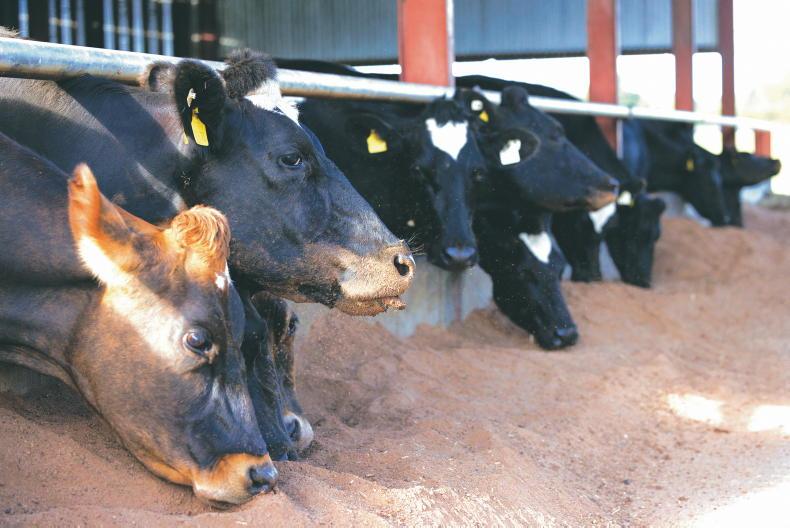
Question: I’m reading about fodder deficits in the paper and hearing about them on the news, but that doesn’t really reflect what I’m seeing locally. Bar feeding an extra 3kg or 4kg in the parlour earlier in the year, I’ve had no real crisis here and I’m feeding bale silage. If anything, we’re dealing with plenty of grass at the moment. With reports of serious fodder shortages on some farms, should I still be concerned about the winter ahead? How do I work out whether I actually have a deficit, and what should I be doing now to make sure I have enough?
Answer: This is what we’re talking to farmers about every day at the moment. There have been surveys showing deficits of up to 40% on some farms for winter fodder. But that isn’t the picture everywhere. In some parts of the country, fodder, silage and feed are not a major issue for many farmers. In fact, plenty are dealing with too much grass.
That illustrates an important point. Surveys and averages are useful for the industry, but they’re of little use to you unless you do your own sums. A national average doesn’t feed your cows, and a national fodder deficit doesn’t mean there is a deficit on your farm.
So step one is to either ring your agri adviser or sit down and work out what your own farm needs for the winter. Count what you have in the pit and in bales, work out what you’ll use, and allow a buffer of around 20% for a late spring or bad weather. Only when you know what you have and what you need can you put a real figure on what it’s going to cost your farm.
We’re seeing a wide range out there after the summer.
Some farms have enough. They have adequate silage to cover the winter with a buffer. Their extra cost this year has been concentrate and the diesel burned feeding bales during the drought. But the full cash cost lands in 2027, when they go to build those reserves back up.
Other farms are tight. On paper, they have just enough, but that’s a stressful place to be, especially if we get a late spring. These farmers are either looking to stretch the silage they have with other feed or buy in a few bales to give themselves a small ‘what if’ reserve. Either way, there’s a cost on top of the extra meal.
Deficit fodder
Then there are farms with a real deficit. These farmers need to source and secure fodder as soon as they can. The current weather may allow a third cut, and there should be some surplus bales around. Buying early is nearly always cheaper than buying in February. These farms are facing significant extra costs, either this year or carried into 2027. If that’s your situation, work out the size of the deficit first, then cost the solution.
The important point is that those three positions need different responses. If you have enough, the immediate winter fodder issue is covered, but you still need to recognise the cost of rebuilding reserves in 2027. If you are tight, the question is how much extra feed or bought-in fodder you need to create a sensible buffer. If you have a real deficit, the priority is to quantify it and secure fodder early.
That is why doing the budget now matters. It takes the discussion away from what surveys say is happening nationally and brings it back to your own farm. You may find, as many farmers locally will, that the headlines simply don’t reflect your position.
Solution
The two questions that matter for every farm are the same: do you have a deficit, and if you do, how big is it? You can’t price a solution until you’ve answered both.
There’s a second issue running alongside this. Profits across the main livestock sectors will be back on 2025. Milk price and spring factory prices are both off last year’s levels, even before the drought hit. So 2026 was always going to be a tighter year for cash flow, before fodder came into it.
Other farms are tight. On paper, they have just enough, but that’s a stressful place to be, especially if we get a late spring. These farmers are either looking to stretch the silage they have with other feed or buy in a few bales to give themselves a small ‘what if’ reserve. Either way, there’s a cost on top of the extra meal
That’s why it’s important to go back over your 2026 figures with your own fodder costs built in. For some farms, that’s a small number. For others, it’s substantial and changes the picture completely.
The approach is the same as the fodder budget. Work out how the farm is going to perform financially between now and late spring 2027. Only when you know whether you have a cash flow gap can you do something about it, and the earlier you know, the more options you have.

Philip O’Connor is head of farm support with ifac, the professional services firm for farming, food and agribusiness.



SHARING OPTIONS