



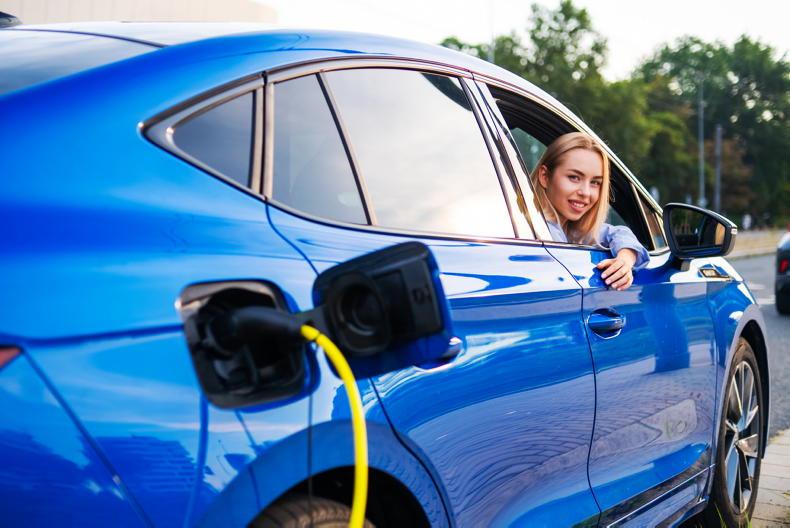
We have a small farming company here and we’re thinking about getting a new electric car. Our daughter works in the office and does the odd run to the mart or to the vet, but she doesn’t rack up a lot of mileage outside of that. A neighbour told us there’s great tax relief if you put an electric vehicle through the company. We’re trying to figure out if that’s a smart move or if it could end up costing us more in the long run. Is it worth it?
Answer: You’re certainly not the only ones asking this lately. It’s an appealing idea on the surface – buying an electric vehicle (EV) through the company and benefitting from tax relief. But for most farm families, the numbers don’t work out in your favour. Let’s explore why.
The reality behind the tax
When providing a car to an employee – even a family member – it’s treated as a Benefit-in-Kind (BIK). That means the driver is taxed as if they were getting extra wages. And the BIK is based on the Original Market Value (OMV) of the car, not what it’s worth today.
So if your company buys an EV for €59,000, the BIK is based on that €59,000 figure for its full life.
Even though electric cars have had generous BIK reductions, those are now being phased out. Here’s what’s happening to the reliefs:
In 2025, you’re taxed on €14,000 of the vehicle’s value. But by 2026, that jumps to €39,000, and by 2028, you’re taxed on the full €59,000 – potentially costing over €9,000 annually in tax.
EV or hybrid? Just because a car can be plugged in doesn’t mean it’s an EV. Hybrids – even plug-in ones – still have an engine. That means they don’t qualify for these reliefs. The car must be fully electric to benefit.
Revenue can audit mileage: To claim that the car is for business use, you need:
• High business mileage.
• Odometer records.
• A diary of journeys.
• Supporting documentation.
If your daughter is mainly working from the yard or office, with a few local runs, Revenue will likely view it as personal use – and BIK will apply in full.
Can I argue it’s a ‘pooled vehicle’? Some businesses argue that a company car is a ‘pooled vehicle’ – shared among staff and not available for personal use. To qualify, the vehicle must:
• Stay on-site overnight.
• Be used by multiple employees.
• Not be available for personal use.
Even one school run or weekend spin and the whole claim falls apart. Revenue can and do audit this – and will charge back tax, interest, and penalties if they believe it’s not legitimate.
What about capital allowances? The company can claim capital allowances on up to €24,000 of the vehicle’s cost – and if it’s fully electric, you can claim 100% of that in Year 1 under the Accelerated Capital Allowance (ACA) scheme for energy-efficient equipment.
But here’s the catch: if the car is sold or transferred within eight years, you may face a balancing charge that claws back some of that allowance. Also, keep in mind the BIK is charged on the original value for those eight years.
Can I reclaim the VAT? In most cases, no, particularly for farmers. Most farming companies aren’t VAT-registered in the traditional sense, as they operate under the flat-rate system, so they can’t reclaim VAT on purchases like cars.
Even for those that are VAT-registered, the VAT on passenger vehicles is usually blocked – unless the car:
• Is fully electric.
• On the SEAI’s approved list.
• Used over 60% for business.
If you meet all of those tests, you can reclaim 20% of the VAT paid – but the rest remains disallowed. You’ll also need to keep a logbook and hold your ground if Revenue ask questions.
So while there is a partial VAT refund on electric vehicles, in practice, it’s rarely available to typical farm companies.
Marty Murphy is head of tax at ifac, the professional services firm for farming, food and agribusiness.






SHARING OPTIONS