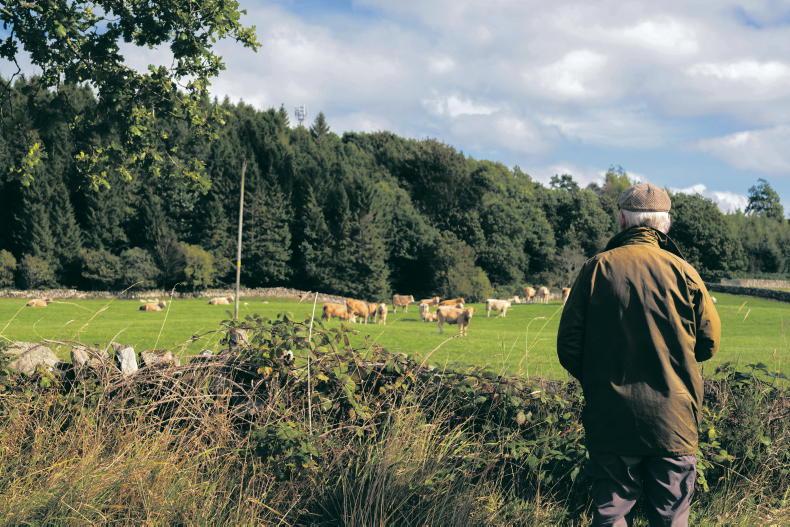
I’m hoping to retire within the next year or two and I’m looking at selling some zoned land I bought years ago, along with transferring the rest of the farm to my son, who now works with me full-time. I’ve heard about both Retirement Relief and Entrepreneurs Relief in relation to Capital Gains Tax, but I’m not clear on how they work. Are they the same, or can they be used together? I really don’t want to get caught with a large tax bill after all these years of farming. What do I need to watch out for?
ANSWER: You’ve touched on something that’s catching out a lot of farmers these days – and there’s good reason to take your time and plan it right. Let me walk you through the two reliefs and how they apply – and why they’re sometimes used together.
Retirement Relief: this is the go-to for most farmers transferring farms or farmland. Despite the name, it doesn’t require you to stop farming. You must be over 55 and have owned and used the land for farming for at least 10 years. If you’re gifting it to your child, they must keep the land for six years. This relief is especially useful when transferring the farm to a child, as it can apply without a cap of €750,000 if you’re under 70.
Entrepreneurs Relief: by contrast, this applies a reduced Capital Gains Tax (CGT) rate of 10% (down from 33%) on qualifying disposals, but only up to a €1m lifetime threshold. It’s available to business owners, including farmers, who have held a business asset for at least three years and used it in a qualifying trade. Crucially, development land and let land are excluded, and it’s not age-dependent.
Can I use both?: If you qualify for both Retirement Relief and Entrepreneurs Relief on a disposal, you must use them together – they are applied simultaneously. You can’t ‘save’ one and use the other later. Revenue are clear on this.
For example, if you sell 40 acres and that land qualifies for both Retirement Relief and Entrepreneurs Relief, you must apply both at the same time. You can’t choose to apply one now and another later on a different disposal.
This is important because using Retirement Relief on a disposal will use up your Entrepreneurs Relief lifetime threshold of €1m if both apply.
If you have multiple parcels of land, you might want to consider which ones are eligible for which relief, and when to dispose of them. But you can’t split the same transaction across both reliefs.
What if you stop farming?
Here’s a key difference: Retirement Relief allows for a gap of up to 25 years between the end of farming and the disposal. So, if you stopped farming in 2000 and lease the land since, you can still qualify if you dispose of it before the end of 2025. Miss that window, and you lose it.
Entrepreneurs Relief doesn’t have a time gap rule, but it does require that the land was used in a qualifying trade and that you were actively involved – leasing out land doesn’t qualify.
While both can technically apply to the same qualifying disposal, the Entrepreneurs Relief lifetime threshold will be used up even where Retirement Relief shelters the gain.
This is particularly relevant when part of the transaction qualifies for unlimited relief and another part does not.
Suppose you sell development land to a third party. If you’re under 70, Retirement Relief for third-party disposals may apply, with a cap of €750,000. Since development land is excluded from Entrepreneurs Relief, that sale won’t touch your €1m lifetime limit.
Now, let’s say you later transfer the remainder of the farm to your son. If that transfer qualifies for both Retirement Relief (to a child) and Entrepreneurs Relief, it will still reduce your Entrepreneurs Relief threshold – even if you pay no CGT due to the retirement relief.
So, while both reliefs apply at the same time if the conditions are met, the planning lies in understanding which transactions will trigger the reduction of your Entrepreneurs Relief cap, and which won’t.
This is why it’s essential to calculate not just the CGT due, but also what lifetime thresholds are being used – even where no CGT arises at all.
The land may be the same, but the order and structure of what you do with it can make a world of difference. Whether you’re selling zoned land, transferring to family, or preparing to step back, understanding how each relief interacts is very important.
It could be the difference between a full exemption, a 10% bill – or a 33% one.

Marty Murphy, head of tax with ifac.
Marty Murphy is head of tax at ifac, the professional services firm for farming, food and agribusiness.
A common mistake is assuming Entrepreneurs Relief applies to all land sales. It does not apply to:
Passive assets like development land. Let land with no farming activity. Assets not directly connected to a business.So, if you’re selling development land that was never farmed or used in a business, Entrepreneurs Relief won’t apply.

I’m hoping to retire within the next year or two and I’m looking at selling some zoned land I bought years ago, along with transferring the rest of the farm to my son, who now works with me full-time. I’ve heard about both Retirement Relief and Entrepreneurs Relief in relation to Capital Gains Tax, but I’m not clear on how they work. Are they the same, or can they be used together? I really don’t want to get caught with a large tax bill after all these years of farming. What do I need to watch out for?
ANSWER: You’ve touched on something that’s catching out a lot of farmers these days – and there’s good reason to take your time and plan it right. Let me walk you through the two reliefs and how they apply – and why they’re sometimes used together.
Retirement Relief: this is the go-to for most farmers transferring farms or farmland. Despite the name, it doesn’t require you to stop farming. You must be over 55 and have owned and used the land for farming for at least 10 years. If you’re gifting it to your child, they must keep the land for six years. This relief is especially useful when transferring the farm to a child, as it can apply without a cap of €750,000 if you’re under 70.
Entrepreneurs Relief: by contrast, this applies a reduced Capital Gains Tax (CGT) rate of 10% (down from 33%) on qualifying disposals, but only up to a €1m lifetime threshold. It’s available to business owners, including farmers, who have held a business asset for at least three years and used it in a qualifying trade. Crucially, development land and let land are excluded, and it’s not age-dependent.
Can I use both?: If you qualify for both Retirement Relief and Entrepreneurs Relief on a disposal, you must use them together – they are applied simultaneously. You can’t ‘save’ one and use the other later. Revenue are clear on this.
For example, if you sell 40 acres and that land qualifies for both Retirement Relief and Entrepreneurs Relief, you must apply both at the same time. You can’t choose to apply one now and another later on a different disposal.
This is important because using Retirement Relief on a disposal will use up your Entrepreneurs Relief lifetime threshold of €1m if both apply.
If you have multiple parcels of land, you might want to consider which ones are eligible for which relief, and when to dispose of them. But you can’t split the same transaction across both reliefs.
What if you stop farming?
Here’s a key difference: Retirement Relief allows for a gap of up to 25 years between the end of farming and the disposal. So, if you stopped farming in 2000 and lease the land since, you can still qualify if you dispose of it before the end of 2025. Miss that window, and you lose it.
Entrepreneurs Relief doesn’t have a time gap rule, but it does require that the land was used in a qualifying trade and that you were actively involved – leasing out land doesn’t qualify.
While both can technically apply to the same qualifying disposal, the Entrepreneurs Relief lifetime threshold will be used up even where Retirement Relief shelters the gain.
This is particularly relevant when part of the transaction qualifies for unlimited relief and another part does not.
Suppose you sell development land to a third party. If you’re under 70, Retirement Relief for third-party disposals may apply, with a cap of €750,000. Since development land is excluded from Entrepreneurs Relief, that sale won’t touch your €1m lifetime limit.
Now, let’s say you later transfer the remainder of the farm to your son. If that transfer qualifies for both Retirement Relief (to a child) and Entrepreneurs Relief, it will still reduce your Entrepreneurs Relief threshold – even if you pay no CGT due to the retirement relief.
So, while both reliefs apply at the same time if the conditions are met, the planning lies in understanding which transactions will trigger the reduction of your Entrepreneurs Relief cap, and which won’t.
This is why it’s essential to calculate not just the CGT due, but also what lifetime thresholds are being used – even where no CGT arises at all.
The land may be the same, but the order and structure of what you do with it can make a world of difference. Whether you’re selling zoned land, transferring to family, or preparing to step back, understanding how each relief interacts is very important.
It could be the difference between a full exemption, a 10% bill – or a 33% one.

Marty Murphy, head of tax with ifac.
Marty Murphy is head of tax at ifac, the professional services firm for farming, food and agribusiness.
A common mistake is assuming Entrepreneurs Relief applies to all land sales. It does not apply to:
Passive assets like development land. Let land with no farming activity. Assets not directly connected to a business.So, if you’re selling development land that was never farmed or used in a business, Entrepreneurs Relief won’t apply.
SHARING OPTIONS