



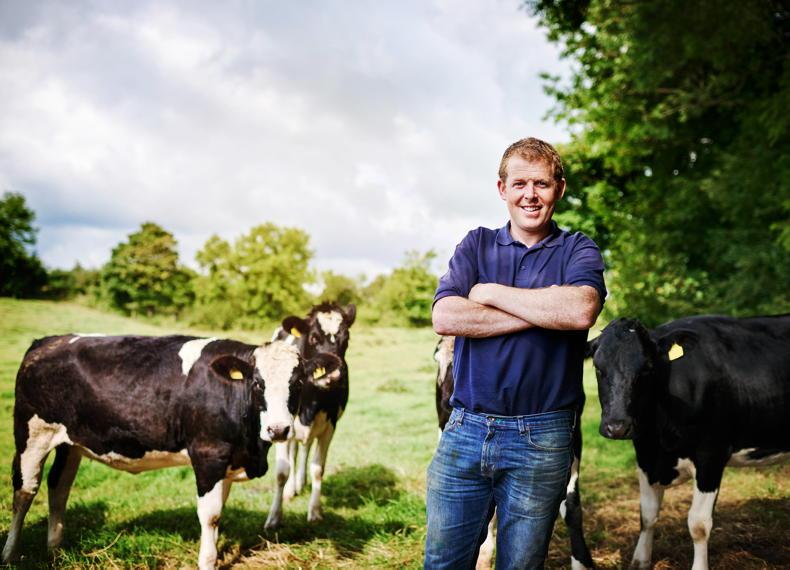
I’m milking 120 cows in the midlands. The last few years have been tough – feed costs went through the roof, fertiliser is expensive, and I’m getting older. I’ve taken on a relief milker which has pushed my wage bill up. My milk price has held well but I don’t know if I’m making money or just keeping busy. To be honest, I avoid my accountant unless I need to see him. Not his fault – I just find the whole accounts topic difficult to take in, and I usually go by what my bank balance is. Is there something I should be doing that I’m not?
Answer: You are far from alone. I think many farmers, just like you, tend to judge the performance of the farm based on the bank balance. Recently, the ifac Irish Farm Report 2026 found that 70% of Irish farmers do not prepare a budget.
That is a striking figure, and it means that most farm businesses in this country are making significant financial decisions – on borrowing, investment, stocking rates, labour – without a clear picture of where their money is going or where it needs to come from. The good news is that addressing this is not as complicated as it might seem, and the payoff in terms of clarity and control is immediate.
Start looking forward
The annual accounts your accountant prepares are essential, and you should value them. However, they are for compliance and are produced months after the financial year ends.
They tell you what happened, not what is about to happen. What you need alongside your annual accounts is a relatively simple, working budget – a forward-looking plan that sets out your expected income and costs across the year and lets you track actual performance against it month by month.
For a dairy farmer, this means mapping your milk income against seasonality, your feed and fertiliser spend by quarter, your fixed costs such as machinery, insurance, and now your relief milker’s wages, and your loan repayments, if any. If you do this, you will quickly see how lean your farm is operating.
Know your cost of production
The most important number for any dairy farmer right now is the cost per litre of milk. This is not a number you will find on your annual tax return.
It requires you to sit down and work through your total farm costs – variable and fixed – and divide them by your annual milk output.
Industry estimates for 2025 put the average Irish dairy farm production cost at around 42c per litre. But that average hides a wide range.
A well-managed, efficient operation might sit at 38c. A farm carrying high borrowings, older infrastructure, or elevated labour costs might be at 46c or above.
If you do not know your own figure, you cannot assess the risk your business is carrying when milk prices move.
And given the current environment – with some co-ops adjusting base prices downward – that risk is very real.
Sit down with your accountant and ask for help pulling this figure together. Break your costs into three simple buckets.
Cash flow is not profit
One of the most common misunderstandings is the confusion between cash flow and profit.
A dairy farm can have money in the bank, but be loss-making for the year.
Equally, a farm can be profitable on paper but face a very tight February when milk cheques are lower and fertiliser bills are landing.
A 12-month cash flow forecast is one of the most practical tools available to you.
Speak to your accountant and ask them for help to put one together and you will reap the benefits.
You are clearly working hard and you’re right to ask the questions now. Keeping busy doesn’t mean your farm is profitable.
With feed, fertiliser, and labour costs at a high level, the margin for error is tighter than it was five years ago.
Getting a handle on your farm numbers is one of the highest-value things you can do for your farm this year.
Andrew Brolly is fractional cfo with ifac, which is the professional services firm for farming, food and agribusiness.


SHARING OPTIONS