Combines harvest grain by cutting the crop, threshing or loosening it and separating the grain from other plant components. But grain can be damaged in this process and rendered less suitable for specific uses or markets. Getting the combine adjusted correctly is
critical to minimise the risk of
damage.
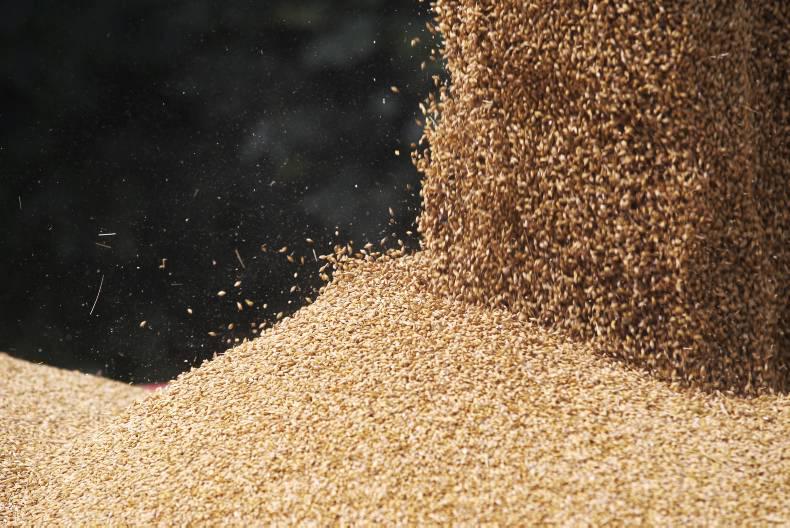
Damaged grain, such as broken kernels and skinning (protective husk partially removed), can have a reduced value, particularly for markets where the grain must be germinated again, such as for seed or malting.
The grain’s germinative capacity can be affected by direct damage or growth of spoilage organisms. The malting industry is particularly concerned about grain damage.
The risk of damage can be reduced by setting and operating the combine correctly. There can often be a conflict between avoiding damage, producing well-threshed grain (no awns) and avoiding excessive grain losses from the combine – a careful balance is required.
Key points
The following key points should be considered to avoid loss of crop value right at the final hurdle:
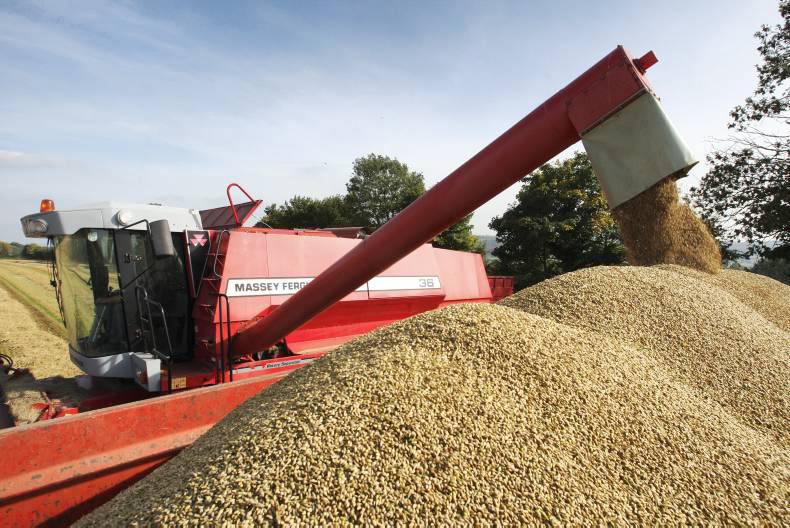
• Combines differ in their setting and adjustments. Differences in combine design between makes and models can result in different approaches to avoid damage. Different threshing drum diameters, for example, result in quite different peripheral speeds for a given rotational speed (rpm on the in-cab dial). The layout of the threshing components varies, with some manufacturers having rotating threshing elements before the threshing drum (eg Claas APS), while others have additional separating cylinders after the drum (eg New Holland RS). Of course there are many hybrid machines on the market with rotors replacing straw walkers, allowing more separation to take place after the main threshing drum.• Always consult the instruction book or, with advanced in-cab electronic systems, the default crop settings, as a starting point for setting up the combine for individual crop types and to give a guide as to what approach to take to either reduce grain damage or increase threshing efficiency.• Significant wear of key threshing components (cylinder, concave, etc) can result in more grain damage as the operator tries to correct resulting losses by increasing drum speed or reducing concave clearance. Also check the basic setting of the concave, ensuring parallel clearance across the drum width and the correct front to back clearance.• Setting the combine to separate the awn from the grain while minimising grain damage can be a particular challenge. Adding de-awner plates is recommended with some machines, but this can reduce threshing capacity and careful adjustment is required to prevent grain damage.• Cylinder (drum) speed and concave clearance play a huge role in threshing and grain damage. Slower drum speeds and wider concave will reduce grain damage, so start at this most gentle end of the scale, slowly increasing drum speed and reducing concave clearance to improve threshing. Always change one setting at a time and check for losses and damage, and record your adjustment.• Keeping the threshing element properly loaded is important. If throughput drops by the operator going at a much slower speed than necessary, grain damage can increase, as there may not be sufficient cushioning from the correct volume of material going through the drum.• Sieve settings are also important as the volume of grain going through the returns system for re-threshing should be kept low to reduce grain damage in re-threshing.• Grain augers and elevators can damage grain. Chains and flights on elevators should be correctly adjusted and free from excessive wear. Unloading augers should be engaged gently and disengaged as soon as the grain flow dwindles, as partly full augers are more likely to damage grain.Combine model
Finally, remember the exact approach to be taken depends on the combine model and you should always be guided by the manufacturer’s information where provided.
But that may only be the starting point – adjust carefully in a methodical way and assess grain damage, threshing and combine losses until the correct balance is achieved.
This year at the Crops & Spraying event, a session on settings of combines will run beside the spraying arena, and after each of the sprayer demonstrations held during the day.
Combines harvest grain by cutting the crop, threshing or loosening it and separating the grain from other plant components. But grain can be damaged in this process and rendered less suitable for specific uses or markets. Getting the combine adjusted correctly is
critical to minimise the risk of
damage.
Damaged grain, such as broken kernels and skinning (protective husk partially removed), can have a reduced value, particularly for markets where the grain must be germinated again, such as for seed or malting.
The grain’s germinative capacity can be affected by direct damage or growth of spoilage organisms. The malting industry is particularly concerned about grain damage.
The risk of damage can be reduced by setting and operating the combine correctly. There can often be a conflict between avoiding damage, producing well-threshed grain (no awns) and avoiding excessive grain losses from the combine – a careful balance is required.
Key points
The following key points should be considered to avoid loss of crop value right at the final hurdle:
• Combines differ in their setting and adjustments. Differences in combine design between makes and models can result in different approaches to avoid damage. Different threshing drum diameters, for example, result in quite different peripheral speeds for a given rotational speed (rpm on the in-cab dial). The layout of the threshing components varies, with some manufacturers having rotating threshing elements before the threshing drum (eg Claas APS), while others have additional separating cylinders after the drum (eg New Holland RS). Of course there are many hybrid machines on the market with rotors replacing straw walkers, allowing more separation to take place after the main threshing drum.• Always consult the instruction book or, with advanced in-cab electronic systems, the default crop settings, as a starting point for setting up the combine for individual crop types and to give a guide as to what approach to take to either reduce grain damage or increase threshing efficiency.• Significant wear of key threshing components (cylinder, concave, etc) can result in more grain damage as the operator tries to correct resulting losses by increasing drum speed or reducing concave clearance. Also check the basic setting of the concave, ensuring parallel clearance across the drum width and the correct front to back clearance.• Setting the combine to separate the awn from the grain while minimising grain damage can be a particular challenge. Adding de-awner plates is recommended with some machines, but this can reduce threshing capacity and careful adjustment is required to prevent grain damage.• Cylinder (drum) speed and concave clearance play a huge role in threshing and grain damage. Slower drum speeds and wider concave will reduce grain damage, so start at this most gentle end of the scale, slowly increasing drum speed and reducing concave clearance to improve threshing. Always change one setting at a time and check for losses and damage, and record your adjustment.• Keeping the threshing element properly loaded is important. If throughput drops by the operator going at a much slower speed than necessary, grain damage can increase, as there may not be sufficient cushioning from the correct volume of material going through the drum.• Sieve settings are also important as the volume of grain going through the returns system for re-threshing should be kept low to reduce grain damage in re-threshing.• Grain augers and elevators can damage grain. Chains and flights on elevators should be correctly adjusted and free from excessive wear. Unloading augers should be engaged gently and disengaged as soon as the grain flow dwindles, as partly full augers are more likely to damage grain.Combine model
Finally, remember the exact approach to be taken depends on the combine model and you should always be guided by the manufacturer’s information where provided.
But that may only be the starting point – adjust carefully in a methodical way and assess grain damage, threshing and combine losses until the correct balance is achieved.
This year at the Crops & Spraying event, a session on settings of combines will run beside the spraying arena, and after each of the sprayer demonstrations held during the day.






SHARING OPTIONS