The opportunity to buy land may only arise once in a
life-time. Land may often require some form of remedial work to bring the property into maximum productivity but what can a farmer do or not do?
Aisling Meehan reports
When farmers purchase a farm, they often have great plans as to how they will arrange its layout to help maximise its productive capacity. This may include cleaning existing drains, opening new drains, knocking down ditches, putting in roadways, cutting back hedges, filling in ditches, burning debris, demolishing old buildings etc.
Farmers will be well aware of the need to keep land in Good Agricultural and Environmental Condition (GAEC) and adhering to Cross Compliance requirements in order to draw down payments under the Direct Payment Schemes. However, farmers will also have to be mindful of the Environmental Impact Assessment (Agriculture) Regulations 2011 when reclaiming land and altering its permanent features. These Regulations apply to three different types of on-farm activities where a change to the land now requires official permission.
1. Restructuring of rural land
holdings
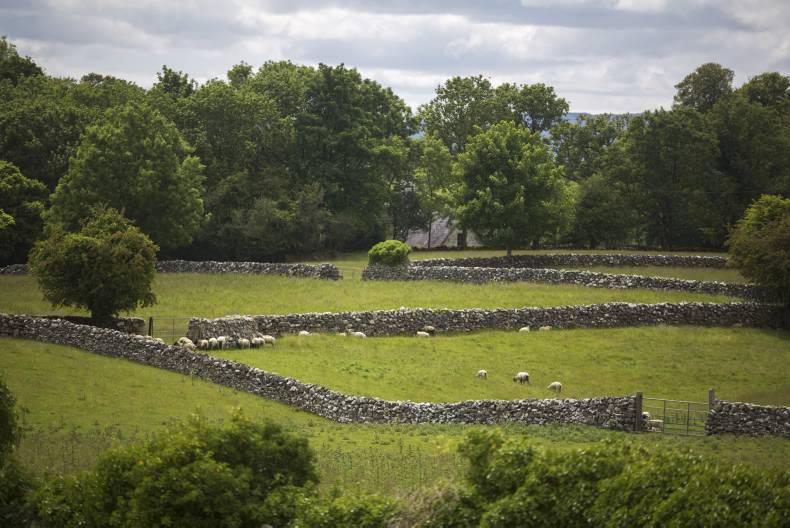
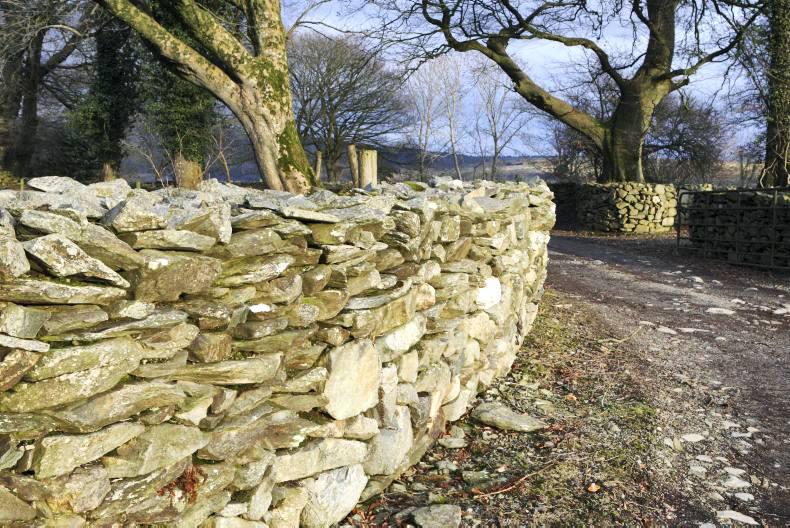
a. Removal of lengths of field boundaries such as hedgerows, hedgerows on clay banks, stone walls etcb. Re-contouring of land such as the levelling of hills or the infilling of hollows (by removing or shifting earth or rock that originates from within the farm holding).Exempted activities, which would not need Department of Agriculture, Food and the Marine (DAFM) approval, include maintenance work on existing stone walls and hedgerows, removal of post and wire fencing etc.
2. Commencing to use uncultivated land or semi-natural areas for intensive agriculture
a. Mechanical cultivating, e.g. ploughing, requires permission before it can be doneb. Adding or significantly increasing levels of organic or chemical fertilisersc. Sowing seedd. The clearing of existing vegetation.Exempted activities which would not need DAFM approval would include the control of vegetation such as invading briars or other scrub.
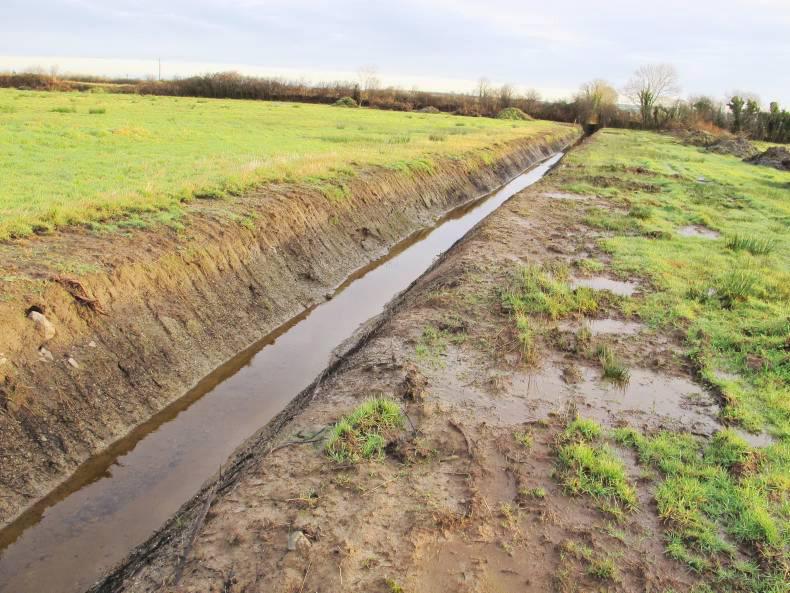
3. Land drainage works on lands used for agriculture
a. Installing new open drainsb. Installing field drains (not open) to drain a given areac. Opening a short distance of watercourse, again with the purpose of letting water away.Exempted activities which would not need DAFM approval include the cleaning of existing open drains. Cleaning open drains can often have the added benefit of opening up unknown covered drains that are already in existince.
Note: Drainage or reclamation of wetlands are not covered by the EIA (Agriculture) Regulations. Planning permission is required for the drainage or reclamation of wetlands in excess of 0.1 hectares, or below 0.1ha where it may have a significant impact on the environment.
These Regulations provide for an assessment of the environmental impact of certain projects before they can proceed.
If the proposed activity exceeds the thresholds outlined in Table 1 above, you will need to apply for EIA screening. However, there are a number of other instances where, even if the proposed activity does not meet the threshold shown, you may need to apply for screening. Further guidance on these issues can be obtained from the EIA Guidance document on the DAFM website.
EIA screening
Anyone wishing to make alterations to land which are above the five-year thresholds set out in Table 1 must apply for permission via a screening process. This is cost-free. Further details of who needs to be screened, or not, can be found at http://www.agriculture.gov.ie/media/migration/ruralenvironment/environment/environmentalimpactassessment/EIAGuideforFarmers200212.pdf and this document also includes the application form for screening.
The screening process enables DAFM staff to examine the proposed activities for environmental impact. They will then determine if the activities can proceed without the need for a full Environmental Impact Assessment (EIA). This will be required where the proposed activities are likely to have a significant effect on the local environment.
The form for “Application for an EIA Screening Decision” is relatively straightforward and may even provide a useful checklist for any person considering land purchase, as it asks for some interesting information which you may not be informed about. For example, is the land a Natural Heritage Area or is it in a “nature area”.
The majority of screening application will not require any further action and processing is generally completed in 2-3 weeks.
However, farmers must be aware that the removal of hedges, regardless of EIA screening permission, still requires the replacement of such hedges in a different location for cross compliance.
Prohibition notices and
reinstatement notices
Prohibition notices can be served if DAFM considers that you have started work on a project without applying to DAFM for screening or consent, as appropriate, or if you failed to adhere to a condition of a consent decision. A prohibition notice will require you to stop work, usually pending an investigation by DAFM of a possible breach of the regulations.
A prohibition notice takes immediate effect once it is served. Reinstatement notices can be served if DAFM considers that work has been carried out without the necessary screening. Reinstatement notices may require that land is reinstated to its previous condition – or some mitigating works undertaken.
It is an offence to contravene a prohibition and/or reinstatement notice. The regulations create a number of prosecutable offences with fines of up to €5,000 being applicable on summary conviction.
Protected structures
A protected structure is a structure that a planning authority considers to be of special interest and is included in its Record of Protected Structures (RPS). Every planning authority is obliged to have an RPS that includes structures of special interest in its area. The RPS forms part of the development plan and the legislation for protected structures is contained in Part IV of the Planning and Development Act 2000.
Designating a building as a
protected structure
The National Inventory of Architectural Heritage (NIAH) is the national body responsible for making recommendations to the planning authorities as to which buildings they should include in their RPS. In fact, anyone may recommend a building for inclusion in the RPS, but only the elected members of the planning authority (the councillors) can make the final decision.
If a planning authority proposes to designate a building as a protected structure it must notify the owners and occupiers, the Minister for Environment, Heritage and Local Government and various other bodies.
Responsibility for a
protected structure
Every owner and/or occupier of a protected structure must ensure that the building, or any element that contributes to its special interest, is not endangered. Endangerment can be caused by deliberate or accidental damage, decay or neglect. The same duty applies to the owners and occupiers of a proposed protected structure. The protection applies to all parts of the structure that contribute to its character and special interest, including its interior, boundary walls, gates and railings, surrounding land, any other structures on that land, their interiors, and all fixtures and features of these structures.
In general, if a structure is maintained in a secure and habitable condition and routine maintenance is carried out (eg, gutters cleaned out, slipped slates repaired, etc) it should not become endangered. If a planning authority considers that a protected structure is endangered, it may serve a notice on the owner requiring any necessary works to be carried out. If the works are not carried out it is entitled to compulsorily purchase the building. However, the authority also has the power to provide grants to the owner towards the cost of necessary works.
Generally, any works to a protected structure require planning permission.
Disclaimer: The information in this article is intended as a general guide only. While every care is taken to ensure accuracy of information contained in this article, Aisling Meehan, Agricultural Solicitors, does not accept responsibility for errors or omissions howsoever arising. E-mail ameehan@farmersjournal.ie
Read more
Agricultural land price report 2015
The opportunity to buy land may only arise once in a
life-time. Land may often require some form of remedial work to bring the property into maximum productivity but what can a farmer do or not do?
Aisling Meehan reports
When farmers purchase a farm, they often have great plans as to how they will arrange its layout to help maximise its productive capacity. This may include cleaning existing drains, opening new drains, knocking down ditches, putting in roadways, cutting back hedges, filling in ditches, burning debris, demolishing old buildings etc.
Farmers will be well aware of the need to keep land in Good Agricultural and Environmental Condition (GAEC) and adhering to Cross Compliance requirements in order to draw down payments under the Direct Payment Schemes. However, farmers will also have to be mindful of the Environmental Impact Assessment (Agriculture) Regulations 2011 when reclaiming land and altering its permanent features. These Regulations apply to three different types of on-farm activities where a change to the land now requires official permission.
1. Restructuring of rural land
holdings
a. Removal of lengths of field boundaries such as hedgerows, hedgerows on clay banks, stone walls etcb. Re-contouring of land such as the levelling of hills or the infilling of hollows (by removing or shifting earth or rock that originates from within the farm holding).Exempted activities, which would not need Department of Agriculture, Food and the Marine (DAFM) approval, include maintenance work on existing stone walls and hedgerows, removal of post and wire fencing etc.
2. Commencing to use uncultivated land or semi-natural areas for intensive agriculture
a. Mechanical cultivating, e.g. ploughing, requires permission before it can be doneb. Adding or significantly increasing levels of organic or chemical fertilisersc. Sowing seedd. The clearing of existing vegetation.Exempted activities which would not need DAFM approval would include the control of vegetation such as invading briars or other scrub.
3. Land drainage works on lands used for agriculture
a. Installing new open drainsb. Installing field drains (not open) to drain a given areac. Opening a short distance of watercourse, again with the purpose of letting water away.Exempted activities which would not need DAFM approval include the cleaning of existing open drains. Cleaning open drains can often have the added benefit of opening up unknown covered drains that are already in existince.
Note: Drainage or reclamation of wetlands are not covered by the EIA (Agriculture) Regulations. Planning permission is required for the drainage or reclamation of wetlands in excess of 0.1 hectares, or below 0.1ha where it may have a significant impact on the environment.
These Regulations provide for an assessment of the environmental impact of certain projects before they can proceed.
If the proposed activity exceeds the thresholds outlined in Table 1 above, you will need to apply for EIA screening. However, there are a number of other instances where, even if the proposed activity does not meet the threshold shown, you may need to apply for screening. Further guidance on these issues can be obtained from the EIA Guidance document on the DAFM website.
EIA screening
Anyone wishing to make alterations to land which are above the five-year thresholds set out in Table 1 must apply for permission via a screening process. This is cost-free. Further details of who needs to be screened, or not, can be found at http://www.agriculture.gov.ie/media/migration/ruralenvironment/environment/environmentalimpactassessment/EIAGuideforFarmers200212.pdf and this document also includes the application form for screening.
The screening process enables DAFM staff to examine the proposed activities for environmental impact. They will then determine if the activities can proceed without the need for a full Environmental Impact Assessment (EIA). This will be required where the proposed activities are likely to have a significant effect on the local environment.
The form for “Application for an EIA Screening Decision” is relatively straightforward and may even provide a useful checklist for any person considering land purchase, as it asks for some interesting information which you may not be informed about. For example, is the land a Natural Heritage Area or is it in a “nature area”.
The majority of screening application will not require any further action and processing is generally completed in 2-3 weeks.
However, farmers must be aware that the removal of hedges, regardless of EIA screening permission, still requires the replacement of such hedges in a different location for cross compliance.
Prohibition notices and
reinstatement notices
Prohibition notices can be served if DAFM considers that you have started work on a project without applying to DAFM for screening or consent, as appropriate, or if you failed to adhere to a condition of a consent decision. A prohibition notice will require you to stop work, usually pending an investigation by DAFM of a possible breach of the regulations.
A prohibition notice takes immediate effect once it is served. Reinstatement notices can be served if DAFM considers that work has been carried out without the necessary screening. Reinstatement notices may require that land is reinstated to its previous condition – or some mitigating works undertaken.
It is an offence to contravene a prohibition and/or reinstatement notice. The regulations create a number of prosecutable offences with fines of up to €5,000 being applicable on summary conviction.
Protected structures
A protected structure is a structure that a planning authority considers to be of special interest and is included in its Record of Protected Structures (RPS). Every planning authority is obliged to have an RPS that includes structures of special interest in its area. The RPS forms part of the development plan and the legislation for protected structures is contained in Part IV of the Planning and Development Act 2000.
Designating a building as a
protected structure
The National Inventory of Architectural Heritage (NIAH) is the national body responsible for making recommendations to the planning authorities as to which buildings they should include in their RPS. In fact, anyone may recommend a building for inclusion in the RPS, but only the elected members of the planning authority (the councillors) can make the final decision.
If a planning authority proposes to designate a building as a protected structure it must notify the owners and occupiers, the Minister for Environment, Heritage and Local Government and various other bodies.
Responsibility for a
protected structure
Every owner and/or occupier of a protected structure must ensure that the building, or any element that contributes to its special interest, is not endangered. Endangerment can be caused by deliberate or accidental damage, decay or neglect. The same duty applies to the owners and occupiers of a proposed protected structure. The protection applies to all parts of the structure that contribute to its character and special interest, including its interior, boundary walls, gates and railings, surrounding land, any other structures on that land, their interiors, and all fixtures and features of these structures.
In general, if a structure is maintained in a secure and habitable condition and routine maintenance is carried out (eg, gutters cleaned out, slipped slates repaired, etc) it should not become endangered. If a planning authority considers that a protected structure is endangered, it may serve a notice on the owner requiring any necessary works to be carried out. If the works are not carried out it is entitled to compulsorily purchase the building. However, the authority also has the power to provide grants to the owner towards the cost of necessary works.
Generally, any works to a protected structure require planning permission.
Disclaimer: The information in this article is intended as a general guide only. While every care is taken to ensure accuracy of information contained in this article, Aisling Meehan, Agricultural Solicitors, does not accept responsibility for errors or omissions howsoever arising. E-mail ameehan@farmersjournal.ie
Read more
Agricultural land price report 2015





SHARING OPTIONS