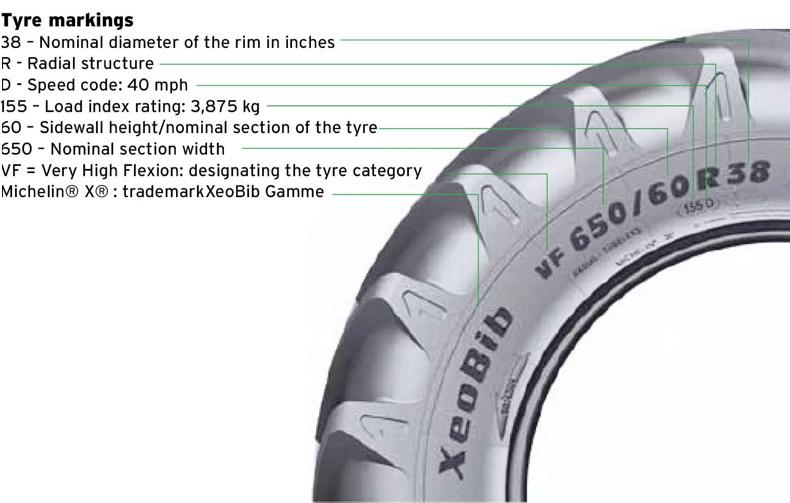
Under the latest tyre marking structure, all of the measurements are metric except for the rim diameter. The marking figures below are taken from a Michelin tyre from XeoBib range. The tyre size, speed, and load index are common among all tyre manufacturers. Other markings on the tyre are related to the brand name and model of tyre.
Confusion over speed rating
This year sees the introduction of revised regulations for the use of agricultural vehicles on the road. While there has always been a speed rating on tyres, they are now under closer examination.
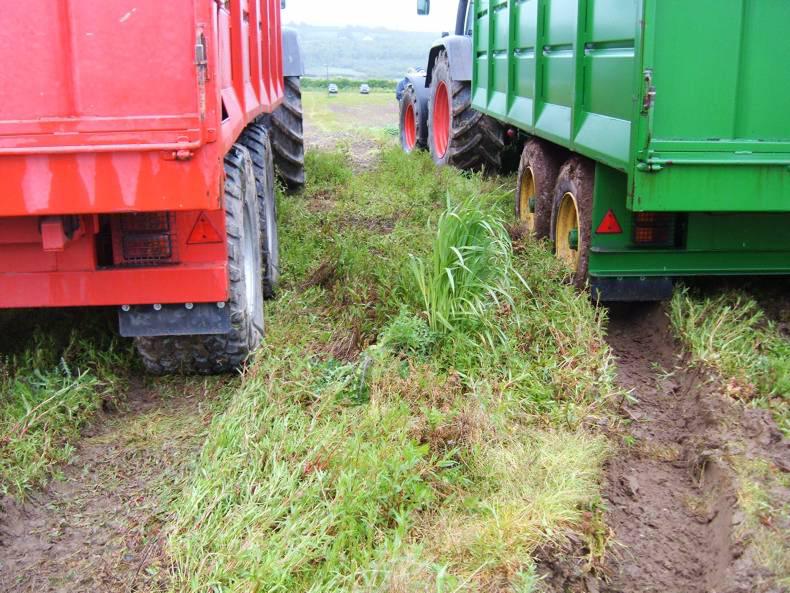
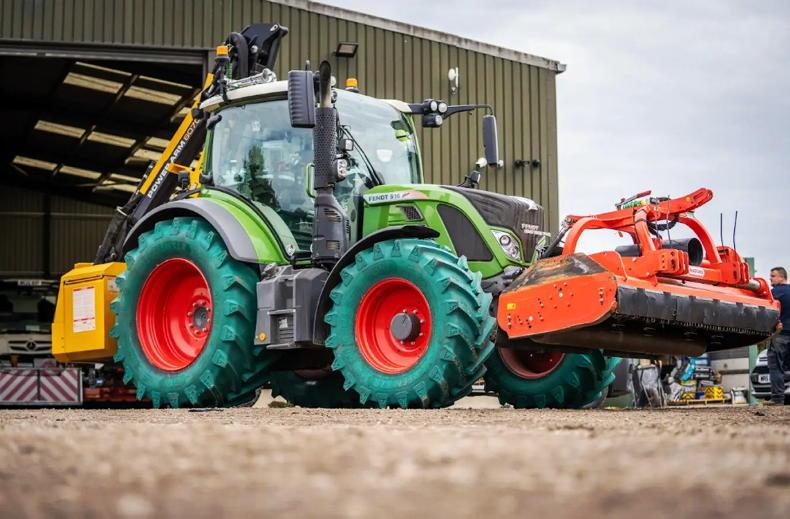
All new trailers now have to be plated for use and the designated speed categories of up to 40km/h and over 40 km/h will require tyres capable of that performance. D-rated tyres are capable of speeds up to 64km/h according to the manufacturers. This rating will suffice for most agricultural vehicles. Under the new regulations, flotation tyres over 500mm are permitted to carry 1t extra per axle; on a typical tandem trailer that is 2t. The primary design of these tyres is to reduce compaction and they can run at very low pressure.
Knowing the correct pressure for flotation tyres on the road
The pressure required by a tyre for use on the road depends on a number of factors:
Tyre size.Tyre load index.Speed.Weight on the trailer and the number of axles.The common theme for any inflation is that the higher the speed and weight, the higher the pressure.
This pressure cannot exceed the maximum PSI recommended for the size and type of tyre. Under-inflated tyres will cause a sway, particularly with flotation wheels. This may also increase fuel consumption.
Tyres that are over-inflated are uncomfortable and could blow out. Using the incorrect pressure will lead to shorter life in the tyre and poor performance.
Michelin has a really good web database that allows the operator to select the tyre size and type, load and the speed of operation. Based on the calculation, the recommended pressure is given. This can vary by 2.5 bar on some flotation tyres. Other manufacturers offer similar services and a number of apps can be downloaded for instant information.
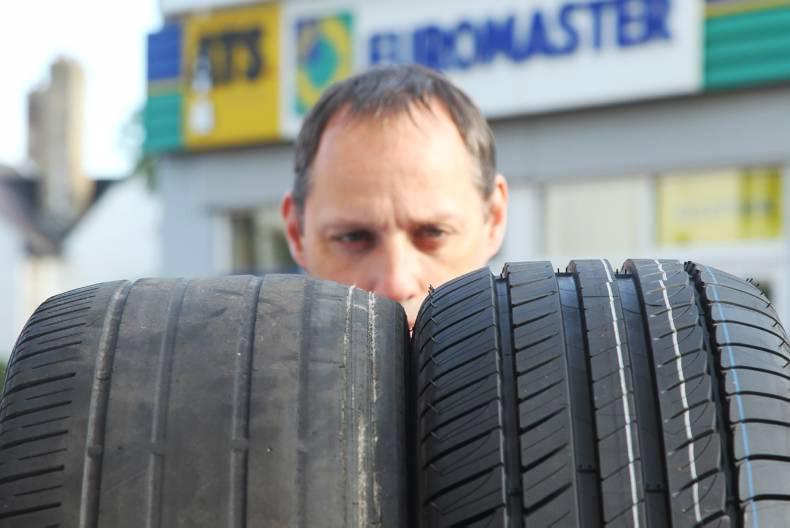
It is good practice to have tyres inspected regularly for the safety of operators and road users. According to Fred Clarke from Agrigear in Cavan, newer flotation tyres and different models of tyres are better suited to high-speed trailer use.
Tyre markings
38 – Nominal diameter of the rim in inches
R - Radial structure
D - Speed code: 40 mph
155 – Load index rating: 3,875 kg
60 – Sidewall height/nominal section of the tyre
650 – Nominal section width
VF = Very High Flexion: designating the tyre category
Michelin® X® : trademarkXeoBib Gamme
To read the full Tyres Focus Supplement, click here.
Under the latest tyre marking structure, all of the measurements are metric except for the rim diameter. The marking figures below are taken from a Michelin tyre from XeoBib range. The tyre size, speed, and load index are common among all tyre manufacturers. Other markings on the tyre are related to the brand name and model of tyre.
Confusion over speed rating
This year sees the introduction of revised regulations for the use of agricultural vehicles on the road. While there has always been a speed rating on tyres, they are now under closer examination.
All new trailers now have to be plated for use and the designated speed categories of up to 40km/h and over 40 km/h will require tyres capable of that performance. D-rated tyres are capable of speeds up to 64km/h according to the manufacturers. This rating will suffice for most agricultural vehicles. Under the new regulations, flotation tyres over 500mm are permitted to carry 1t extra per axle; on a typical tandem trailer that is 2t. The primary design of these tyres is to reduce compaction and they can run at very low pressure.
Knowing the correct pressure for flotation tyres on the road
The pressure required by a tyre for use on the road depends on a number of factors:
Tyre size.Tyre load index.Speed.Weight on the trailer and the number of axles.The common theme for any inflation is that the higher the speed and weight, the higher the pressure.
This pressure cannot exceed the maximum PSI recommended for the size and type of tyre. Under-inflated tyres will cause a sway, particularly with flotation wheels. This may also increase fuel consumption.
Tyres that are over-inflated are uncomfortable and could blow out. Using the incorrect pressure will lead to shorter life in the tyre and poor performance.
Michelin has a really good web database that allows the operator to select the tyre size and type, load and the speed of operation. Based on the calculation, the recommended pressure is given. This can vary by 2.5 bar on some flotation tyres. Other manufacturers offer similar services and a number of apps can be downloaded for instant information.
It is good practice to have tyres inspected regularly for the safety of operators and road users. According to Fred Clarke from Agrigear in Cavan, newer flotation tyres and different models of tyres are better suited to high-speed trailer use.
Tyre markings
38 – Nominal diameter of the rim in inches
R - Radial structure
D - Speed code: 40 mph
155 – Load index rating: 3,875 kg
60 – Sidewall height/nominal section of the tyre
650 – Nominal section width
VF = Very High Flexion: designating the tyre category
Michelin® X® : trademarkXeoBib Gamme
To read the full Tyres Focus Supplement, click here.






SHARING OPTIONS