


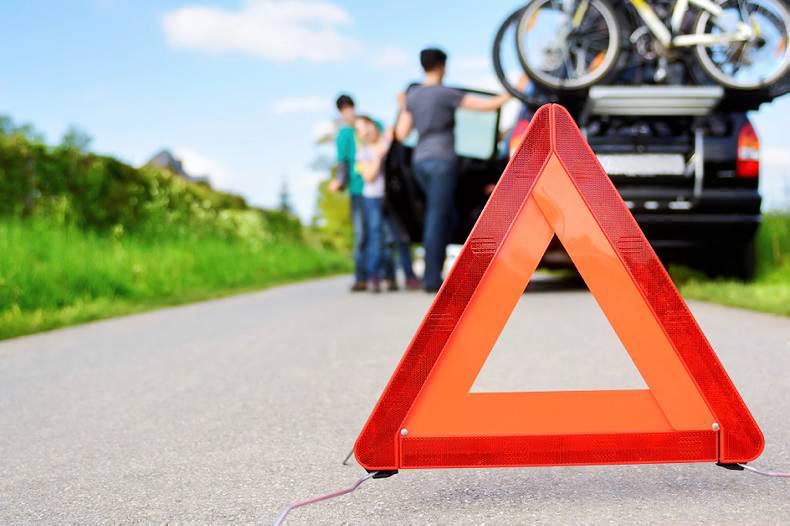
Driving with under-inflated tyres makes it more difficult to control a vehicle, and can be the cause of a significant road collision.
Lower tyre pressure also increases the distance it will take to stop the car. And low pressure in your tyres makes the tyre more vulnerable to a puncture or rapid deflation.
Tyres will also wear more rapidly when operated at low pressure. The extra effort needed to turn the wheel with tyres at low pressure increase the amount of fuel used by the vehicle, adding to driving costs.
Two recommended pressures
There are typically two recommended pressures, one for normal use with just one or two passengers and another, higher inflation pressure, for use when the car is fully loaded. It is important to increase the tyre pressure with an extra load to ensure the correct amount of the tyre’s tread is in contact with the road.
A vehicle’s tyre pressures are readily available. The manufacturer’s recommendations can often be found either in the fuel filler cap or inside the door frame when you open it. They are always in the owner’s handbook.
Once the correct pressure has been found for the wheel/tyre combination fitted as well as the load to be carried, then check the vehicle’s pressure. This should always be done while the tyre is cold (within two miles of departure) and with an accurate pressure gauge.
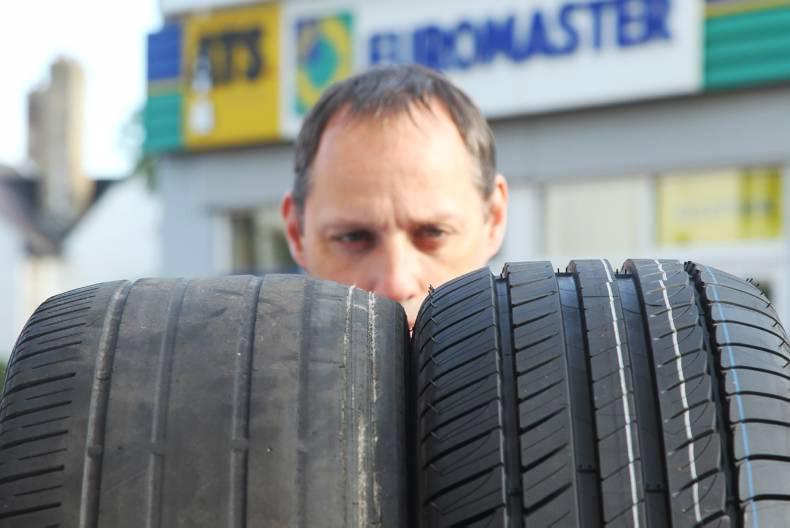
While the pressure is being checked, the driver should also evaluate the tyre’s general condition, ensuring there are no lumps, cuts or other deformities. Tread depth should be above 1.6mm.



SHARING OPTIONS