Children, older adults, and people with pre-existing health conditions are more susceptible to heat-related illnesses and should take extra precautions during periods of hot weather. Keeping well hydrated is essential. Early signs of dehydration include thirst and dark-coloured urine, while more advanced symptoms may include a dry mouth and lips, headache, dizziness, nausea, fatigue, and even confusion or disorientation.
It is important not to wait until you feel thirsty before drinking, as thirst is often an early sign that dehydration has already begun. Instead, sip fluids regularly throughout the day. If plain water is unappealing, try adding slices of lemon, lime, orange, cucumber, or fresh herbs.
Food can also play an important role in maintaining hydration. Water-rich fruits and vegetables such as watermelon, cucumber, strawberries, tomatoes, courgettes, celery, lettuce and oranges can contribute to our daily fluid intake.
Sweating causes the body to lose both water and electrolytes. These can usually be replaced through regular, balanced meals that include fruit, vegetables, dairy products, wholegrains, and lean proteins. Natural sources of electrolytes, such as coconut water, milk, bananas and yoghurt, may also support hydration.
It is advisable to limit excessive alcohol and ultra-processed foods during hot weather. For those spending long periods outdoors or exercising in the heat, increasing fluid intake before, during and after activity is particularly important.
A simple way to monitor hydration is to check the colour of your urine. Pale yellow urine generally indicates good hydration, whereas darker urine may signal the need to drink more fluids. It’s also important to note, while most people benefit from increasing fluids in hot weather, hydration needs can vary, so anyone with specific dietary or fluid requirements should continue to follow their individual care plan. If you are concerned, particularly in a child, older adult, or someone with an underlying health condition, contact your GP.
Ingredients: Serves 2
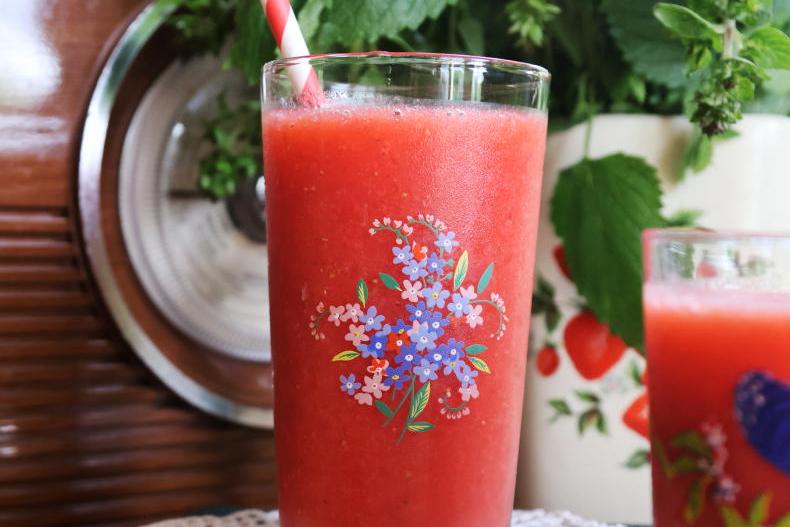
200g watermelon, cubed
200g strawberries
100ml coconut water
1 lime, zest and juice
1tbsp honey
Handful ice
Method
1. Place the watermelon in a freezer-proof container and place in the freezer for 3-4 hours.
2. Add the frozen watermelon into a high-powdered blender, along with the strawberries, coconut water, the zest and juice of the lime, honey and a handful of ice cubes.
3. Blitz until well combined, divide between two glasses and enjoy.
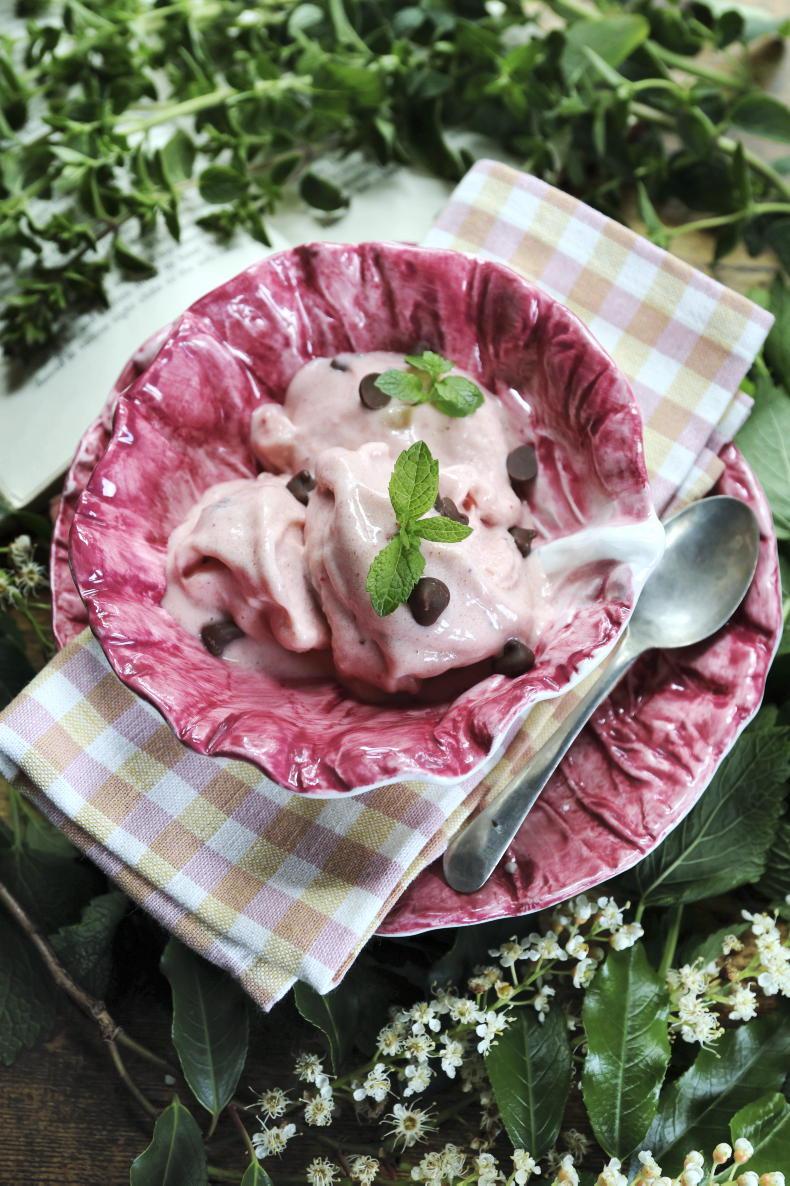
Ingredients: Serves 4
3 ripe bananas
200g fresh strawberries
150g vanilla yoghurt
2tbsp maple syrup
50g chocolate chips, optional
Method
1. Peel and slice the bananas. Quarter the strawberries. Place in a freezer-proof container and pop in the freezer for at least 6 hours, or preferably overnight.
2. Once the bananas and strawberries are fully frozen, add them with the yoghurt and maple syrup to a high-powered blender or food processor and blitz until smooth. Stir through the chocolate chips.
3. This is delicious eaten straight away but to serve it as more of an ‘ice-cream’ place it into a freezer-proof dish and pop in the freezer for a couple of hours. Allow to thaw slightly before serving.