A child’s milky whites poking through tender pink gums is what every parent loves to see. But getting the dental care they need to keep their teeth healthy is another matter entirely.
The number of dentists working in Ireland falls far short of what the country requires. While the population continues to grow year on year, the overall number of dentists working in public and private practice has dropped by 23% in the past 15 years.
There are over 3,000 dentists registered on the Dental Council of Ireland registration list. This number includes those who practise both publicly and privately, but what this number does not tell us is how many days a week the dentists work or what kind of dentistry they are doing, with many graduates now opting for cosmetic rather than routine dentistry.
Of those 3,000 dentists, just 249 of them were directly employed by the HSE at the end of last year. HSE dentists are employed in the School Dental Programme to look after primary and secondary school students as well as people with additional needs or intellectual disabilities. That’s under 250 dentists to service a vulnerable population across the entire country and the figure is down by a third from the 330 employed in 2009.
Due to the shortfall of dentists, the reality is that primary and secondary school children are more likely to see the tooth fairy than their school dental scheme. More than half of all eligible children were denied access to their dental screening appointments in 2023.
“They have systemically not replaced dentists who have retired or left for various reasons, so the number of dentists in the scheme is down and the number of school children needing to be assessed has increased,” says Dr Caroline Robins, former president of the Irish Dental Association and current chair of the General Dental Practice Committee. Dr Robins owns the Kiwi Dental practice in Co Carlow and lives on a beef farm in Tullow.
“The programme was set up to screen kids in second, fourth and sixth year and those are dental milestones in development. There’s so much decay being missed. If there were enough dentists to run it, it’d be a great scheme,” she adds.
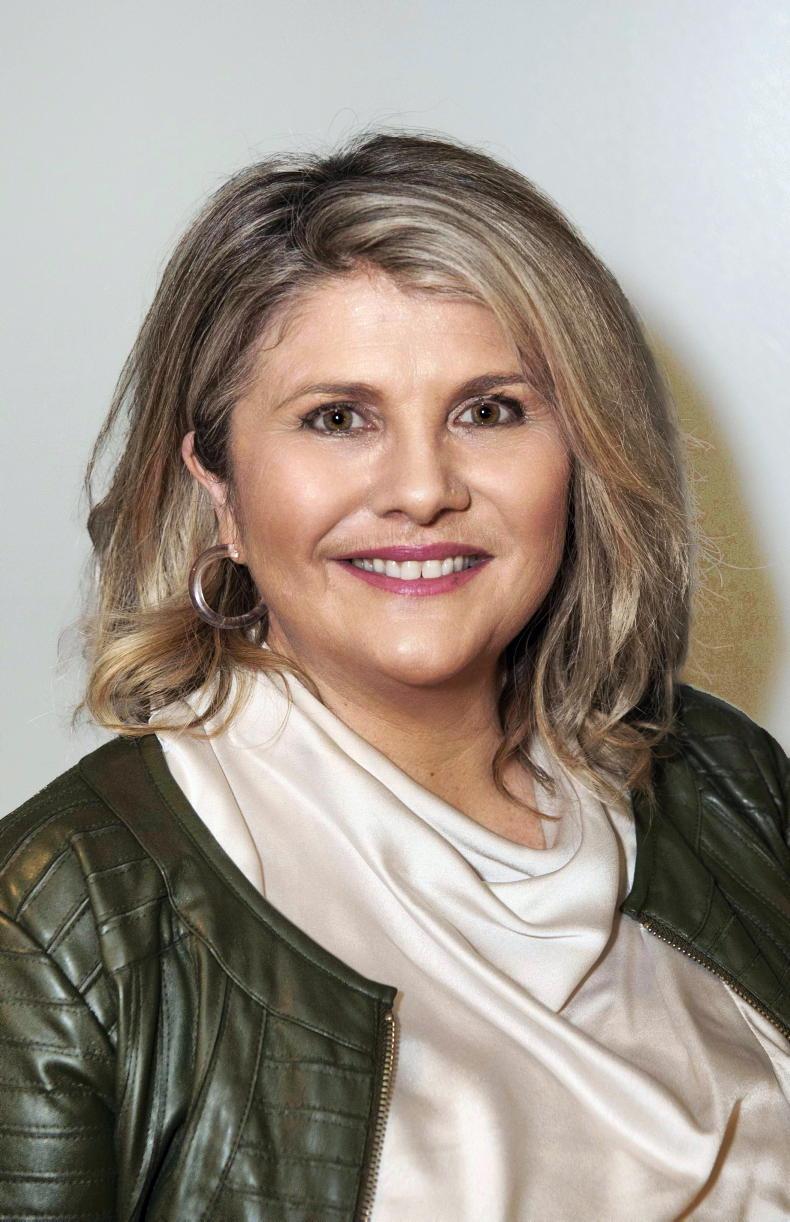
Dr Caroline Robins, former president of the Irish Dental Association, says dentists have lost a decade of investment.
Access to HSE dentists
Children trying to access a HSE dentist are facing delays all over the country. Figures obtained from the HSE through a Parliamentary Question (PQ) raised by Independent TD, Deputy Brian Stanley revealed that in Co Laois, 6,433 children are waiting on their first examination.
“That’s being provided seven years late and some of them will have reached fourth and fifth year in secondary school,” he tells Irish Country Living. Deputy Stanley, who represents the Laois constituency tabled a motion in the Dáil last July on dental treatment services.
On the other side of the country in the southeast, staffing for children’s dental and orthodontic care has halved since 2022 in Waterford, according to HSE figures released to Deputy Conor McGuinness in a PQ.
The figures show there is no senior dentist working within the HSE dental services in Waterford for children in 2025. But it is not just children affected by shortages in the number of dentists.
Adults with medical cards are looked after by private dentists who hold contracts with the HSE under the DTSS (Dental Treatment Services Scheme). The number of dentists participating in the DTSS has dropped by 38% in the last five years (from 1,354 to 833).
Dr Robins explains that the scheme is outdated. It was established in 1993 and has not changed in that time. “If medical cards were a supermarket product, they would have been discontinued,” she says. Under the DTSS, dentists can offer a check-up, coverage for two fillings a year, extractions and scale and polish. Procedures, like a crown are not covered.
Treatment Benefit Scheme
Since the financial crash of 2008, investment in publicly funded dental health for adults has been cut. The Irish Dental Association estimate the money being put into the Dental Treatment Services Scheme and the Treatment Benefit Scheme has reduced by €800m between 2009 and 2023.
“Less resources, less dentists…it’s really hard to put into words,” reflects Dr Robins. “How have we got to 2025 with an increasing population and no thought into increasing the numbers of dental students trained per years? And we have a lost decade of investment.”
In Co Laois, there is only one dental practice taking clients under the medical card scheme. Located on the Carlow/Laois border, Western Dental, opened last year and immediately registered to take medical card patients.
“When we were opening, we talked to a lot of local people, and they said, nobody is taking medical card patients. We said we’ll give it a shot and see how things go,” a dentist at the practice told Irish Country Living.
The only way Western Dental can accept medical card patients is by subsidising their public practice with private patients.
“It’s very difficult just to do medical card patients, we can’t survive,” they said. “It’s not well paid. We just do it because our local people need it.”
The dentist who spoke to Irish Country Living explains that the HSE cover about 40% of the cost of a medical card patient. But that cost is rising because of inflation. “It’s not only the material cost. It’s the cost of the time as well, all the instruments, hardware, chair bills, rent.
“The State has to do something to encourage dentists to take medical cards. If you ask 99% of vendors why they stopped taking medical cards, they say it doesn’t cover their costs. We want to keep going for as long as we can.”
In addition to the school dental scheme and DTSS, there is one other public scheme called the Dental Treatment Benefit Scheme (DTBS) for PRSI workers and self-employed, which includes farmers. If you have sufficient stamps and your dentist participates in the scheme, you can avail of a number of services like a free check-up and subsidised cleaning annually. There are calls to expand the range of services available under this scheme to include extraction and fillings.

Professor Finbarr Allen, director of the Oral Health Services Research Centre at UCC, says many graduates are now opting for cosmetic rather than routine dentistry.
Dental training
Up until this year, there were only two dental schools in Ireland: University College Cork and Trinity College Dublin. They take 25 school leavers via the CAO each year, and the same number of international students.
Professor Finbarr Allen, director of the Oral Health Services Research Centre at UCC says this number was “exactly the same” when he graduated in 1988. “The numbers of dental graduates has remained unchanged for two generations now.”
However, in good news, the Royal College of Surgeons (RCSI) started a new bachelor of dental surgery this September, with 20 students currently enrolled in their first intake. It will be five years before they graduate and can practice.
One key issue affecting numbers of dentists in Ireland, however, is that non-EEA students [from countries outside the European Economic Area] make up about 50% of dental students; and once they graduate, they often return to their country of origin.
Non-EEA students pay over €45,000 per annum to train in either UCC or TCD and this is used to subsidise Irish dental students, explains Professor Allen.
“Just to try to make the economics of the dental school work, you have to take international students because they pay a much higher rate. Half of the [roughly 50] students in Cork Dental School are international students and the vast majority will return to their home country to work.”
The Irish Dental Association has called for investment from the Government to increase the number of Irish dental graduates and for a 20% cap of non-EEA students to be put in place.
Cosmetic dentistry
One of Professor Allen’s “big concerns”, however, is that more and more dental graduates do not want to do routine dentistry.
“They want to do facial aesthetics, such as Botox and facial fillers.” Cosmetic dentistry (which includes work done on teeth like whitening and bleaching) and facial aesthetics (non-dental procedures) are popular avenues.
“We don’t train people in the dental degree programme to do aesthetics but they go off and do courses and they base a lot of their practical work around it.”
“As a society, we are obsessed with white teeth and straight smiles, but cheap cosmetic surgery is not the same thing as traditional dental care,” Professor Allen explains. “The danger is that, over time, we will see a dilution of the traditional skills that dentists are trained to do in dental schools. Now some companies are very aggressively promoting this kind of work and they go directly to new graduates. A lot of dental practices promote the concept of the attractiveness and aesthetics, and there is a big market for it.”
A child’s milky whites poking through tender pink gums is what every parent loves to see. But getting the dental care they need to keep their teeth healthy is another matter entirely.
The number of dentists working in Ireland falls far short of what the country requires. While the population continues to grow year on year, the overall number of dentists working in public and private practice has dropped by 23% in the past 15 years.
There are over 3,000 dentists registered on the Dental Council of Ireland registration list. This number includes those who practise both publicly and privately, but what this number does not tell us is how many days a week the dentists work or what kind of dentistry they are doing, with many graduates now opting for cosmetic rather than routine dentistry.
Of those 3,000 dentists, just 249 of them were directly employed by the HSE at the end of last year. HSE dentists are employed in the School Dental Programme to look after primary and secondary school students as well as people with additional needs or intellectual disabilities. That’s under 250 dentists to service a vulnerable population across the entire country and the figure is down by a third from the 330 employed in 2009.
Due to the shortfall of dentists, the reality is that primary and secondary school children are more likely to see the tooth fairy than their school dental scheme. More than half of all eligible children were denied access to their dental screening appointments in 2023.
“They have systemically not replaced dentists who have retired or left for various reasons, so the number of dentists in the scheme is down and the number of school children needing to be assessed has increased,” says Dr Caroline Robins, former president of the Irish Dental Association and current chair of the General Dental Practice Committee. Dr Robins owns the Kiwi Dental practice in Co Carlow and lives on a beef farm in Tullow.
“The programme was set up to screen kids in second, fourth and sixth year and those are dental milestones in development. There’s so much decay being missed. If there were enough dentists to run it, it’d be a great scheme,” she adds.
Dr Caroline Robins, former president of the Irish Dental Association, says dentists have lost a decade of investment.
Access to HSE dentists
Children trying to access a HSE dentist are facing delays all over the country. Figures obtained from the HSE through a Parliamentary Question (PQ) raised by Independent TD, Deputy Brian Stanley revealed that in Co Laois, 6,433 children are waiting on their first examination.
“That’s being provided seven years late and some of them will have reached fourth and fifth year in secondary school,” he tells Irish Country Living. Deputy Stanley, who represents the Laois constituency tabled a motion in the Dáil last July on dental treatment services.
On the other side of the country in the southeast, staffing for children’s dental and orthodontic care has halved since 2022 in Waterford, according to HSE figures released to Deputy Conor McGuinness in a PQ.
The figures show there is no senior dentist working within the HSE dental services in Waterford for children in 2025. But it is not just children affected by shortages in the number of dentists.
Adults with medical cards are looked after by private dentists who hold contracts with the HSE under the DTSS (Dental Treatment Services Scheme). The number of dentists participating in the DTSS has dropped by 38% in the last five years (from 1,354 to 833).
Dr Robins explains that the scheme is outdated. It was established in 1993 and has not changed in that time. “If medical cards were a supermarket product, they would have been discontinued,” she says. Under the DTSS, dentists can offer a check-up, coverage for two fillings a year, extractions and scale and polish. Procedures, like a crown are not covered.
Treatment Benefit Scheme
Since the financial crash of 2008, investment in publicly funded dental health for adults has been cut. The Irish Dental Association estimate the money being put into the Dental Treatment Services Scheme and the Treatment Benefit Scheme has reduced by €800m between 2009 and 2023.
“Less resources, less dentists…it’s really hard to put into words,” reflects Dr Robins. “How have we got to 2025 with an increasing population and no thought into increasing the numbers of dental students trained per years? And we have a lost decade of investment.”
In Co Laois, there is only one dental practice taking clients under the medical card scheme. Located on the Carlow/Laois border, Western Dental, opened last year and immediately registered to take medical card patients.
“When we were opening, we talked to a lot of local people, and they said, nobody is taking medical card patients. We said we’ll give it a shot and see how things go,” a dentist at the practice told Irish Country Living.
The only way Western Dental can accept medical card patients is by subsidising their public practice with private patients.
“It’s very difficult just to do medical card patients, we can’t survive,” they said. “It’s not well paid. We just do it because our local people need it.”
The dentist who spoke to Irish Country Living explains that the HSE cover about 40% of the cost of a medical card patient. But that cost is rising because of inflation. “It’s not only the material cost. It’s the cost of the time as well, all the instruments, hardware, chair bills, rent.
“The State has to do something to encourage dentists to take medical cards. If you ask 99% of vendors why they stopped taking medical cards, they say it doesn’t cover their costs. We want to keep going for as long as we can.”
In addition to the school dental scheme and DTSS, there is one other public scheme called the Dental Treatment Benefit Scheme (DTBS) for PRSI workers and self-employed, which includes farmers. If you have sufficient stamps and your dentist participates in the scheme, you can avail of a number of services like a free check-up and subsidised cleaning annually. There are calls to expand the range of services available under this scheme to include extraction and fillings.
Professor Finbarr Allen, director of the Oral Health Services Research Centre at UCC, says many graduates are now opting for cosmetic rather than routine dentistry.
Dental training
Up until this year, there were only two dental schools in Ireland: University College Cork and Trinity College Dublin. They take 25 school leavers via the CAO each year, and the same number of international students.
Professor Finbarr Allen, director of the Oral Health Services Research Centre at UCC says this number was “exactly the same” when he graduated in 1988. “The numbers of dental graduates has remained unchanged for two generations now.”
However, in good news, the Royal College of Surgeons (RCSI) started a new bachelor of dental surgery this September, with 20 students currently enrolled in their first intake. It will be five years before they graduate and can practice.
One key issue affecting numbers of dentists in Ireland, however, is that non-EEA students [from countries outside the European Economic Area] make up about 50% of dental students; and once they graduate, they often return to their country of origin.
Non-EEA students pay over €45,000 per annum to train in either UCC or TCD and this is used to subsidise Irish dental students, explains Professor Allen.
“Just to try to make the economics of the dental school work, you have to take international students because they pay a much higher rate. Half of the [roughly 50] students in Cork Dental School are international students and the vast majority will return to their home country to work.”
The Irish Dental Association has called for investment from the Government to increase the number of Irish dental graduates and for a 20% cap of non-EEA students to be put in place.
Cosmetic dentistry
One of Professor Allen’s “big concerns”, however, is that more and more dental graduates do not want to do routine dentistry.
“They want to do facial aesthetics, such as Botox and facial fillers.” Cosmetic dentistry (which includes work done on teeth like whitening and bleaching) and facial aesthetics (non-dental procedures) are popular avenues.
“We don’t train people in the dental degree programme to do aesthetics but they go off and do courses and they base a lot of their practical work around it.”
“As a society, we are obsessed with white teeth and straight smiles, but cheap cosmetic surgery is not the same thing as traditional dental care,” Professor Allen explains. “The danger is that, over time, we will see a dilution of the traditional skills that dentists are trained to do in dental schools. Now some companies are very aggressively promoting this kind of work and they go directly to new graduates. A lot of dental practices promote the concept of the attractiveness and aesthetics, and there is a big market for it.”



SHARING OPTIONS