



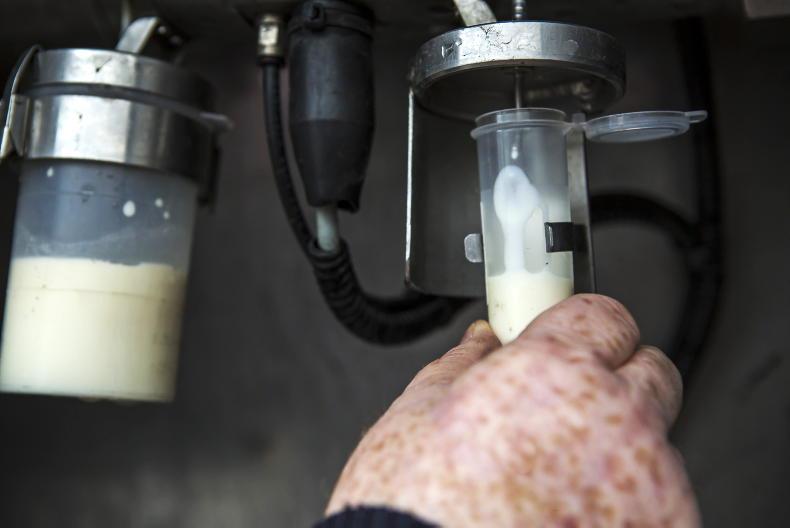
There are growing fears that a mechanism to constrain milk supply will be introduced to limit carbon emissions from the dairy herd.
Participants in the Food Vision Dairy Group, which is tasked with devising a strategy to stabilise and reduce carbon emissions, believe that a plan to limit output will be imposed by the Department of Agriculture, if the industry body fails to agree a package of measures.
Sources within the dairy group suggested a menu of measures to achieve the stabilisation of emissions from the dairy sector were “oven ready”.
There is speculation that this includes compensation funding or payments for climate measures.
However, these have not been discussed within the group as of yet.
The Food Vision Dairy Group has to publish draft proposals by the end of March and a detailed plan before July.
However, to date, much of the discussion has dealt with the climate-related challenges.
If we have to stabilise methane emissions, we have to stabilise the national stock numbers
While the chair of the group, Prof Gerry Boyle, insisted after the body’s first meeting that any measures agreed would be voluntary, there is a growing acceptance that securing an agreed package of measures will prove extremely difficult.
“We are heading in the direction of volumetric quotas,” one member of the grouping told the Irish Farmers Journal.
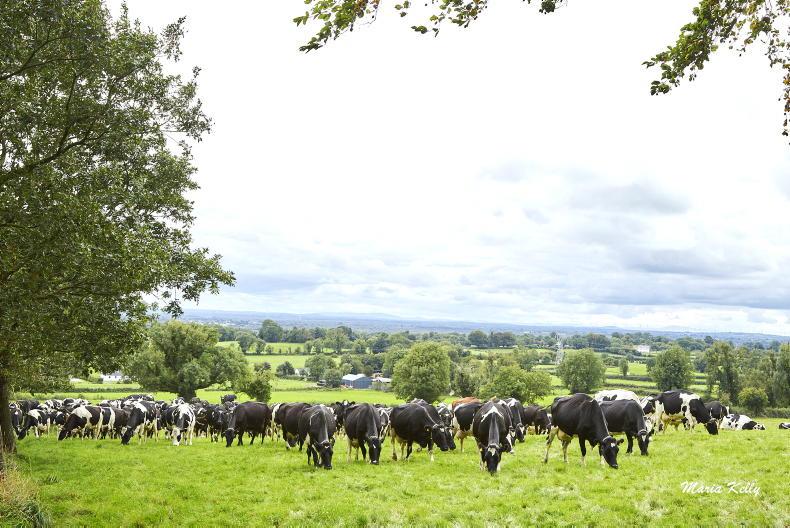
“If we have to stabilise methane emissions, we have to stabilise the national stock numbers.
“The only way of doing that in an increasing herd is to cut cow numbers. But saying that is toxic,” an industry official admitted.
The likelihood of a compensation package to fund a reduction in cow numbers has not been raised to-date but such measures are likely to feature as discussions progress.
“You’d think that some sort of compensation will be required if the farm organisations have any hope of selling restrictions to their members,” one group member said.
It is understood that proposals from the Department and Teagasc on controlling fertiliser usage and methane emissions will be presented in the next two meetings of the Food Vision Dairy Group.


SHARING OPTIONS