




THE worldwide web, without a doubt, has brought the globe closer in terms of information and choice.
In horse breeding, it allows breeders to go further afield to source new bloodlines. In the past, the proximity of a stallion to a mare determined the choice of stallion, but advances in technology has allowed Irish breeders to go ever further afield. The international market for equine semen continues to expand and as a result, the choice of European stallions has become a reality for many breeders. However, is all this access to new technology actually harming our indigenous breeding industry and does it override the basics of selecting the right stallion to suit your mare?
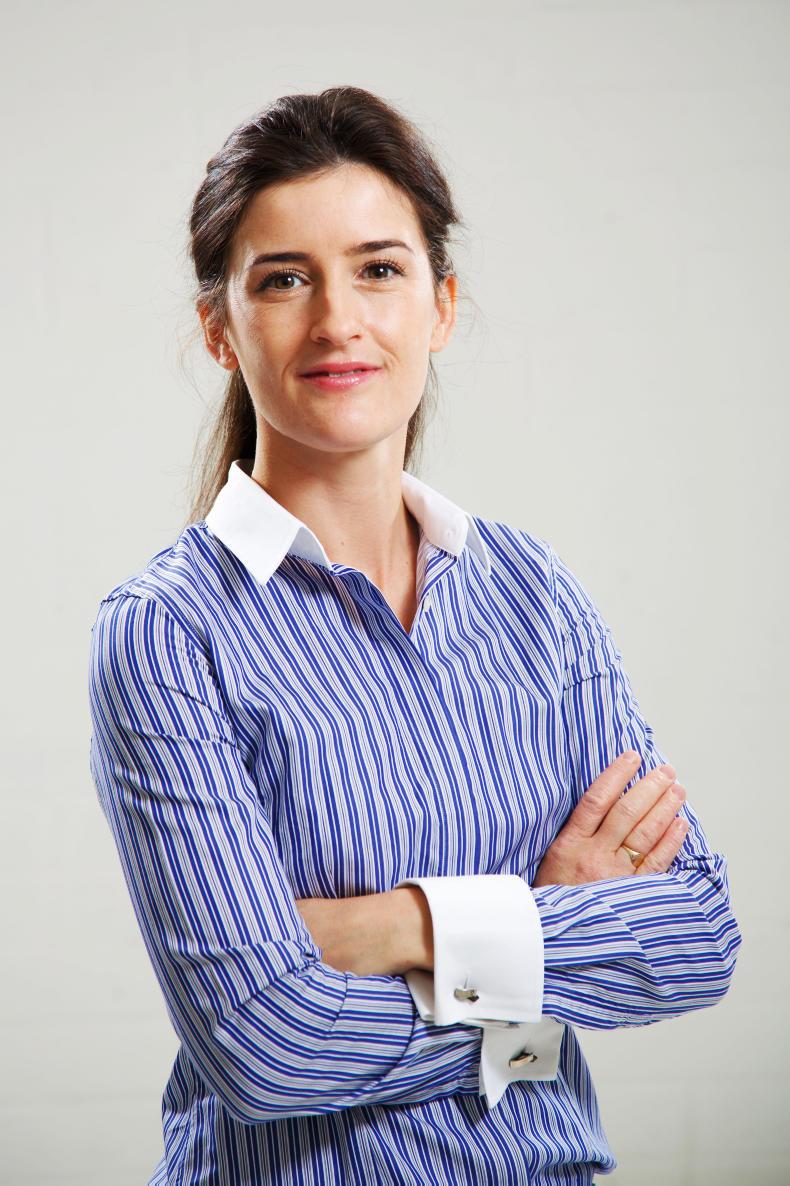
Commenting on the latest trends, Emma-Rose Conroy of Euro Stallions said: “First and foremost, I don’t think breeders are looking abroad for the sake of importing semen. I believe that breeders are embracing the increased choice that they now have. Artificial insemination removes many logistical barriers to breeding sport horses and we are very fortunate as breeders to have these techniques at our disposal. I believe that breeders are now also more hungry for knowledge and information than ever before. Our clients use stallions standing in Ireland and abroad. Importation of stallion semen does not make the stallion any better parcé, but it does significantly increase the choice of stallion available to the breeder. Whether the stallion resides down the road, or in France, or he is dead 20 years, the breeder ultimately needs to apply the same stallion selection criteria to find the stallion to best suit their mare.”
Conroy believes that in choosing an overseas stallion, breeders are doing even more homework. “Breeders want more and more detail and they are spending more time accessing their own broodmares. With this, comes a more detailed ‘shopping list’ of the qualities breeders want and don’t want in their chosen stallion. In many instances, a stallion in Ireland will tick the boxes, but sometimes they don’t. Also, the breeder may have used the stallion that they like in Ireland and simply want to try something different. It’s normal, and should be encouraged, to strive to improve every year one breeds, that is, improve what we produce. The stallion is only one part of the puzzle and each year breeders must question themselves - how can I improve my mare herd, how can I improve my stallion choice, how can I improve my management; all factors that affect the foal you help create,” she added.
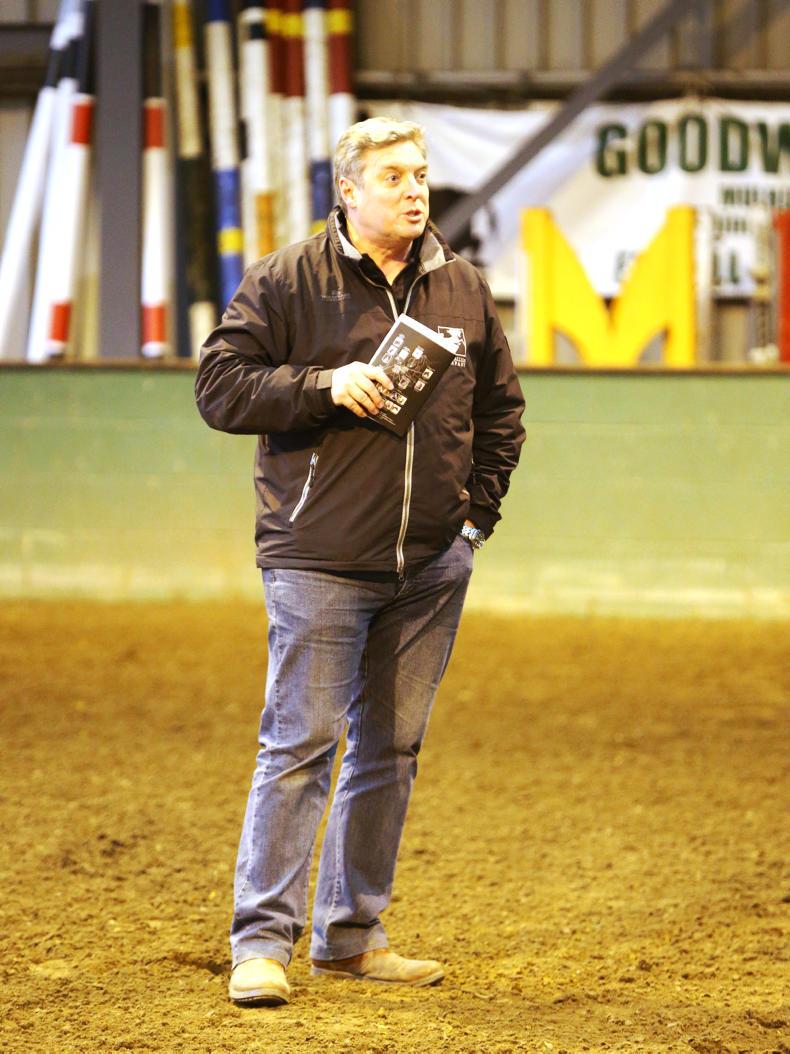
Ken Rehill of the Stallion Company highlighted the value the sourcing outside Ireland saying, “On the face of it, importing semen from the famous stallions seems a good idea. Perhaps there are certain foreign stallions which mix well with Irish motherlines, it’ll take a few years to find out, via trial and error! That’s breeding! Aside from the genetic question, you have logistics, semen quality and conditions to consider.”
Many Irish breeders understand that yes, breeders have more choice, but is it damaging to the indigenous industry which is and was the backbone of Irish breeding for many years?
William McDonnell of Pallas Stud said: “Yes, more breeders are choosing to go outside Ireland when picking a stallion and I don’t blame breeders to aim high, but it’s a huge cost and nothing is guaranteed. I know plenty of average mares that were crossed with a big power horses and in the end, they turned out to be good hunters. I urge breeders to consider what is at home. Don’t just buy a name or what’s popular as it may not suit the mare. Plenty of breeders have chosen the best stallions in Europe and just got average offspring. The problem is that most breeders are trying to breed world-beaters in show jumping and very few of these are produced by just choosing the best stallion. A lot more goes into this process. Ireland has a reputation for breeding top eventers and there is a steady trade for these horses, perhaps we should focus on breeding more of these.”
Barbara Hatton of Slyguff Stud is the third generation of her family standing stallions. The stud currently stands Pointilliste, Golden Master, Nazar, Kings Master and Master’s Choice. She echoed McDonnell’s words. “Yes, more people are choosing to go outside Ireland, but for me, I am glad to see a swing back to the thoroughbreds. I have a regular customer base and there are still plenty of breeders that choose Irish stallions. The small breeders and farmers who breed a few are a very important part of this industry and in some ways, the backbone. The Irish breed great event horses and perhaps we should concentrate more on this side, rather than just trying to breed a show jumping superstar. I really can’t see how people expect to choose the right stallion for a mare by pressing a few buttons on the computer. I think a lot of people are choosing the top European stallions because it is the fashionable thing to do. If all these stallions were the best choice, why is there not a queue of people to buy them? We see so many of them in smaller sales around the country and not making the big prices as expected. How then do you justify the expense of choosing that stallion? There is no support for stallion owners like myself. If the governing body was going to do anything to help, it should be to register filly foals for a reduced price and this could help in stopping the white books.”
Consider all factors
Tom Meagher of Kedrah House Stud recognises the importance of technology but also can see the consequences of the advances. “We find that our website and the use of Twitter certainly improves footfall and awareness of our stallions both nationally and internationally. This extra footfall we are seeing for our stallions because of the internet is matched by a loss of some of our breeders that traditionally used our resident stallions because more breeders are importing international stallions through frozen semen again sourced on the net. We, at Kedrah House Stud, provide a service whereby these clients can have their mares inseminated at our centre. We are therefore covering a similar number of mares using a wider selection of stallions. We can provide a breeder with any stallion internationally that he requires or use his purchased semen to inseminate his mare at our equine reproductive facility. This end of our business has grown over the past number of years.
“In my opinion, this new trend of importing individual stallions is more harmful than it is beneficial to the Irish Sport Horse breeding industry. The choice it offers to use top class international show jumping performers will of course improve the chances of breeding a top class 1.60 show jumper as it brings an abundance of this single trait of jumping high. But since less than 1% of horses bred will attain to a 1.60m show jumper and since by far the most important part of our industry, is the other 99%, these 99% non-1.60m horses are the basis of our sport horse breeding industry where the money is made. If the breeders only aim is to produce a 1.60m professional show jumper and by doing so, they are are creating large numbers of unusable/unsaleable/unsuitable horses for amateur riders and for use in other disciplines, then this will be extremely harmful to our industry.
“The tradition in Ireland as it is in France, Germany, Holland and Belgium, of stallion masters purchasing stallions that are particularly suited for the type of mare that their stud services has served the industry well. Names like King of Diamonds, Clover Hill, Imperious, Cavalier Cruising, Lux, Master Imp, Ricardo, Courage etc, are the cornerstones of Irish Sport Horse breeding and are directly responsible for Ireland being the leading studbook in the world for eventing for the past 15 years.
“But now, suddenly, this is all changing. This new trend of individuals importing individual straws from foreign stallions and the significant reduction in the number of mares being bred in Ireland means that it is not now viable from an economic perspective for an Irish stud to purchase a suitable expensive stallion as was the case. Lost with this is the expertise and selection knowledge that the knowledgeable stallion owners use in the selection of suitable stallions for the population of mares that they serviced.
“Now individual breeders become experts on suitable stallions by clicking buttons on the net, often forgetting the temperament, quality and rideability that can only be assessed by viewing stallions and their progeny in the flesh, a procedure diligently undertaken by stallion owners before purchasing a stallion. Getting first-hand opinion of riders, owners and handlers of the progeny on the ground, cannot be replaced no matter how long you spend on the internet where most of the information is provided as promotional and often not factual. The internet is an invaluable tool in sourcing information on everything including sport horse breeding but the interpretation of this non-edited information requires a professional skill which most breeders will not have, hence the risk of producing large quantities of unsaleable horses.”
For those breeders who are are considering looking outside Ireland, Andrea Etter of Belmont House Stud, had this advice: “Talk to the former rider/trainer/owner/breeder of the mare. Know the direction you want to go and the market you aim to breed for. If you cover a donkey with a top stallion, you will still only get a mule!
“Just because they are top stallions it does not mean that he will suit your mare. Many of us are guilty of just choosing a stallion from a nice glossy brochure or a YouTube video. When you see a stallion compete a few times, you are able to judge his weaknesses and strengths. In my experience, there is nothing like seeing the stallion for yourself. Don’t just go by pictures or videos, do your research, check his bloodlines, his temperament, his conformation. Then go back to dam, (ask if you can see the dam?) check out the grandam and the great grandam. Ask the stallion owner on his recommendation of what the stallion can improve, his weak and his strong points. Don’t be lead by sales results, that will not give you an accurate picture of the quality of the stallion. And remember; “The grass is not always greener on the other side”. After all, follow your gut instinct!
Emma Rose Conroy gave these words of advice when choosing the stallion. “Spend as much time as you possibly can studying the stallion and his offspring where possible. Focus as much on his positive attributes as his negative points. Relate all aspects of the stallion to your mare to evaluate if you have indeed found a good match. Question, question and then question some more. The internet is full of useful resources so make use of them. But be careful, there is little filtering of web information and ensure your source is trusted and unbiased.
“Always ask about the fertility of the stallion and keep in mind your mare. For instance, if you’ve a mare who can be difficult to get in foal, or an old mare or an older maiden mare, you might want to limit your stallion choices to those who are available with chilled semen. Is the stallion approved or recognised by the studbook within which you wish to register your foal? Remember not all studbooks have the same veterinary requirements to license a stallion; just because the stallion is approved abroad does not automatically mean that he would be approved in Ireland.”


SHARING OPTIONS