For generations, Irish horse owners have prized the richness of our pastures. We’ve celebrated the sweet bite of summer grass and cursed the soggy, hoof-churned fields of winter. Grassland is the backdrop to almost everything equine in this country, from broodmare paddocks to busy riding schools.
Yet, while equine farmers judge the condition of a field; too muddy, too lush or too bare, we rarely pause to ask ourselves if we are truly working in harmony with the land.
That question came sharply into focus for me recently after a conversation with award-winning organic beef farmer Clive Bright, whose work at Rare Ruminare offers a compelling example of what happens when grazing animals and land are managed as partners rather than adversaries. On his 120ac farm in Co Sligo, Bright has shown that when you let nature lead, good farming and good animal health can follow naturally.
Bright raises 100% pasture-fed organic beef from traditional breeds chosen for their ability to thrive on species-rich grasslands. But it is his grazing system rather than his livestock that sparks interest for horse owners. His approach is built around Holistic Planned Grazing, an adaptive form of rotational management that moves animals with the natural rhythm of the land. Pastures are rested long enough to fully recover; roots are allowed to deepen; and the resulting increase in biodiversity supports healthier soil, healthier forage, and healthier animals.
“Where nature thrives is a good place for a cow to live,” Bright says, and it’s a sentiment that applies just as readily to our horses.
The ecological changes on his farm have been remarkable. Plant diversity has surged, soil structure has improved, and water is held more effectively in the ground.
Bright’s philosophy has deepened over two decades, drawing on mentors, permaculture principles and holistic management, all reinforcing his belief that nature’s patterns are the most reliable guide to sustainable grazing.
Open field grazing
The surprising truth is that horses, often considered far more destructive grazers than cattle, may benefit even more from such an approach. You don’t need to spend long watching a herd of horses to see how selective they can be.
Horses in the wild are continuous movers with light dispersed grazing patterns. Cattle on the other hand are stationary feeders with only bursts of herd movement. Horses graze 10-20km per day whereas cattle graze just 2-5km.
In open field grazing that many of us are familiar with, horses will clip their favourite patches to the soil while ignoring coarser, less palatable species, creating rough tufts, over-grazed hollows and the familiar ‘latrine areas’ where nothing thrives.
Over time, the pasture becomes nutritionally unbalanced, the soil becomes compacted, and worm burdens rise in the places horses stand and graze most frequently.
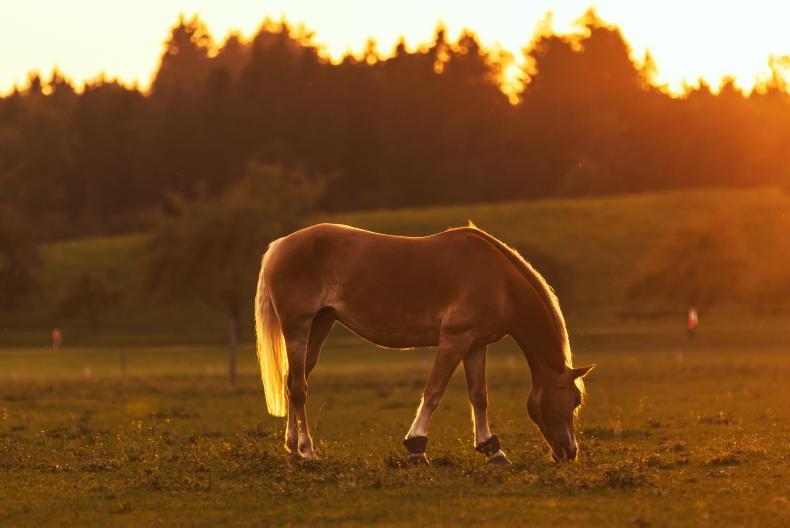
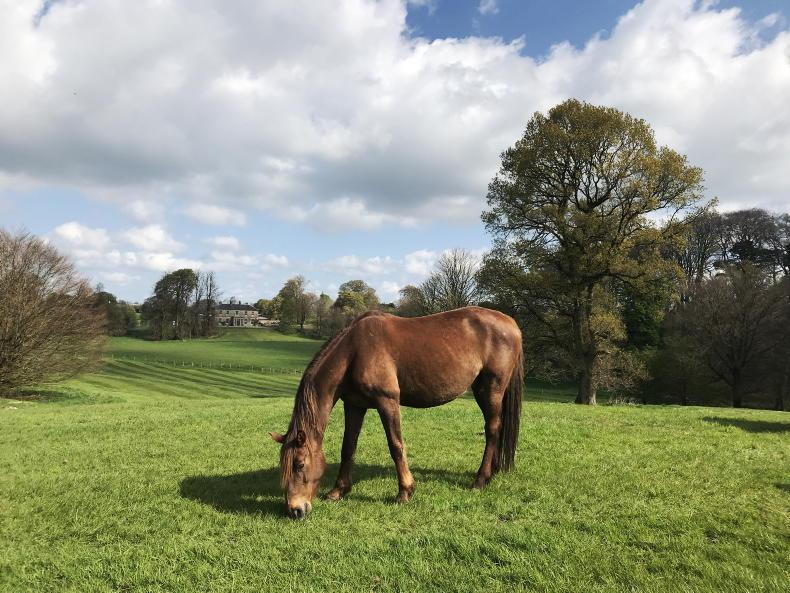
One of the most encouraging aspects of holistic grazing is that it doesn’t require radical investment. \ iStock
Holistic grazing may offer a way out of this loop, though admittedly, it can be time consuming for the farmer moving the horses so often – animals in this system tend to be moved every day or couple of days which may also mean moving fencing and water troughs too.
But, if we get longer grazing months and better soil health – is it a good trade-off? By moving horses at the right intervals and allowing fields to rest fully, the land begins to recover its natural diversity.
Grasses are given the chance to regrow to full leaf, roots drive deeper into the soil, and a richer tapestry of herbs, clovers and native species returns. This more varied sward provides natural sources of fibre and trace minerals. Holistic grazing can however, improve plant carbohydrate content so sensitive horses that are prone to laminitis or Cushings may need careful consideration.
Mixed species holistic grazing can also be a powerful combination. If, for example, horses and cattle are grazed together, the cattle can remove rank grass, horses add trampling and selectivity.
For horses, herd living and movement can lower stress and can encourage natural weight regulation and healthier gut function.
When the soil becomes healthier, the effects ripple upward: weed pressure declines, drought and heavy rain cause less damage, and paddocks become more resilient throughout the year. Hooves, when managed in the right numbers and at the right times, don’t strip a field, they stimulate it.
Rotational movement also has benefits for parasite control. By shifting horses before larvae reach infective stages and resting fields long enough thereafter, we interfere with the worm life cycle naturally. At a time when resistance to chemical wormers is a growing concern, these kinds of management-based solutions are increasingly valuable for us.
One of the most encouraging aspects of holistic grazing is that it doesn’t require radical investment. Bright’s system, for all its sophistication, is built on portable fencing, thoughtful water access and a willingness to observe how the land responds. The principle is not perfection but progression: small, manageable steps that gradually reshape the relationship between horses and the pastures they depend on.
Perhaps the most important shift is philosophical. Holistic management asks us to see horses not simply as grazers but as participants in land stewardship.
It encourages us to view grassland as a dynamic, living system and to recognise that soil is the foundation of equine nutrition, not merely the surface beneath the hooves. Once we start to see the land in this way, it becomes obvious that healthy fields lead to healthy horses.
Our pastures are far more than convenient spaces to turn horses out.
They are ecosystems quietly humming beneath each blade of grass. A move toward holistic grazing isn’t a gimmick; it is perhaps a return to common sense. If we listen and watch closely and give our land the time it needs to speak, it will show us how to look after it, just as Clive Bright has discovered on his own farm, one thoughtful step at a time.
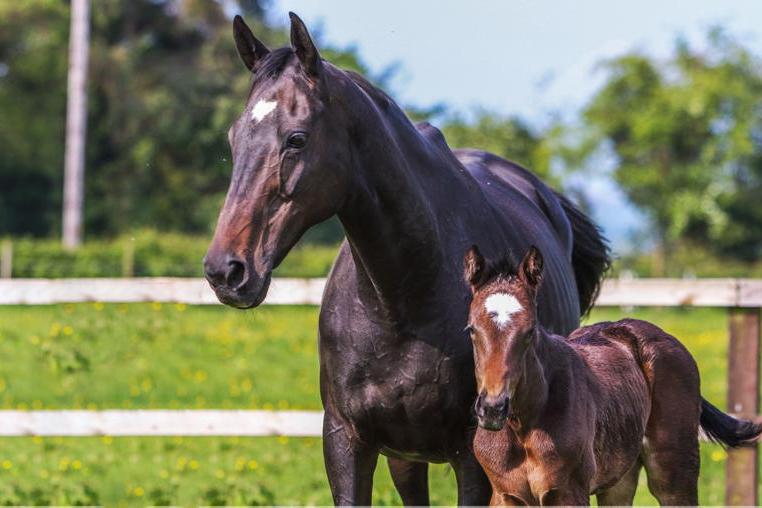
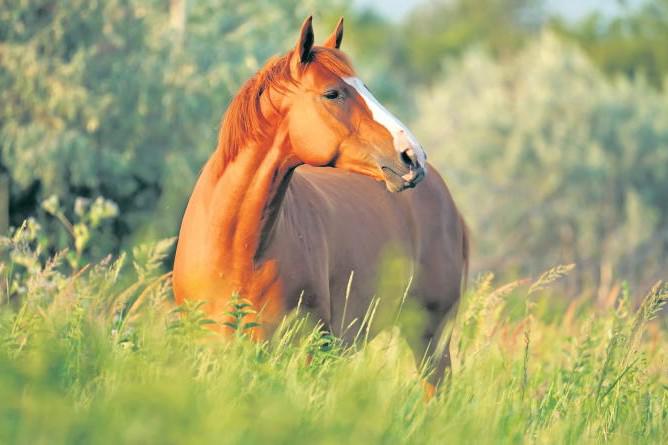
Holistic management asks us to see horses not simply as grazers but as participants in land stewardship. \ Helen Sharp
For generations, Irish horse owners have prized the richness of our pastures. We’ve celebrated the sweet bite of summer grass and cursed the soggy, hoof-churned fields of winter. Grassland is the backdrop to almost everything equine in this country, from broodmare paddocks to busy riding schools.
Yet, while equine farmers judge the condition of a field; too muddy, too lush or too bare, we rarely pause to ask ourselves if we are truly working in harmony with the land.
That question came sharply into focus for me recently after a conversation with award-winning organic beef farmer Clive Bright, whose work at Rare Ruminare offers a compelling example of what happens when grazing animals and land are managed as partners rather than adversaries. On his 120ac farm in Co Sligo, Bright has shown that when you let nature lead, good farming and good animal health can follow naturally.
Bright raises 100% pasture-fed organic beef from traditional breeds chosen for their ability to thrive on species-rich grasslands. But it is his grazing system rather than his livestock that sparks interest for horse owners. His approach is built around Holistic Planned Grazing, an adaptive form of rotational management that moves animals with the natural rhythm of the land. Pastures are rested long enough to fully recover; roots are allowed to deepen; and the resulting increase in biodiversity supports healthier soil, healthier forage, and healthier animals.
“Where nature thrives is a good place for a cow to live,” Bright says, and it’s a sentiment that applies just as readily to our horses.
The ecological changes on his farm have been remarkable. Plant diversity has surged, soil structure has improved, and water is held more effectively in the ground.
Bright’s philosophy has deepened over two decades, drawing on mentors, permaculture principles and holistic management, all reinforcing his belief that nature’s patterns are the most reliable guide to sustainable grazing.
Open field grazing
The surprising truth is that horses, often considered far more destructive grazers than cattle, may benefit even more from such an approach. You don’t need to spend long watching a herd of horses to see how selective they can be.
Horses in the wild are continuous movers with light dispersed grazing patterns. Cattle on the other hand are stationary feeders with only bursts of herd movement. Horses graze 10-20km per day whereas cattle graze just 2-5km.
In open field grazing that many of us are familiar with, horses will clip their favourite patches to the soil while ignoring coarser, less palatable species, creating rough tufts, over-grazed hollows and the familiar ‘latrine areas’ where nothing thrives.
Over time, the pasture becomes nutritionally unbalanced, the soil becomes compacted, and worm burdens rise in the places horses stand and graze most frequently.

One of the most encouraging aspects of holistic grazing is that it doesn’t require radical investment. \ iStock
Holistic grazing may offer a way out of this loop, though admittedly, it can be time consuming for the farmer moving the horses so often – animals in this system tend to be moved every day or couple of days which may also mean moving fencing and water troughs too.
But, if we get longer grazing months and better soil health – is it a good trade-off? By moving horses at the right intervals and allowing fields to rest fully, the land begins to recover its natural diversity.
Grasses are given the chance to regrow to full leaf, roots drive deeper into the soil, and a richer tapestry of herbs, clovers and native species returns. This more varied sward provides natural sources of fibre and trace minerals. Holistic grazing can however, improve plant carbohydrate content so sensitive horses that are prone to laminitis or Cushings may need careful consideration.
Mixed species holistic grazing can also be a powerful combination. If, for example, horses and cattle are grazed together, the cattle can remove rank grass, horses add trampling and selectivity.
For horses, herd living and movement can lower stress and can encourage natural weight regulation and healthier gut function.
When the soil becomes healthier, the effects ripple upward: weed pressure declines, drought and heavy rain cause less damage, and paddocks become more resilient throughout the year. Hooves, when managed in the right numbers and at the right times, don’t strip a field, they stimulate it.
Rotational movement also has benefits for parasite control. By shifting horses before larvae reach infective stages and resting fields long enough thereafter, we interfere with the worm life cycle naturally. At a time when resistance to chemical wormers is a growing concern, these kinds of management-based solutions are increasingly valuable for us.
One of the most encouraging aspects of holistic grazing is that it doesn’t require radical investment. Bright’s system, for all its sophistication, is built on portable fencing, thoughtful water access and a willingness to observe how the land responds. The principle is not perfection but progression: small, manageable steps that gradually reshape the relationship between horses and the pastures they depend on.
Perhaps the most important shift is philosophical. Holistic management asks us to see horses not simply as grazers but as participants in land stewardship.
It encourages us to view grassland as a dynamic, living system and to recognise that soil is the foundation of equine nutrition, not merely the surface beneath the hooves. Once we start to see the land in this way, it becomes obvious that healthy fields lead to healthy horses.
Our pastures are far more than convenient spaces to turn horses out.
They are ecosystems quietly humming beneath each blade of grass. A move toward holistic grazing isn’t a gimmick; it is perhaps a return to common sense. If we listen and watch closely and give our land the time it needs to speak, it will show us how to look after it, just as Clive Bright has discovered on his own farm, one thoughtful step at a time.

Holistic management asks us to see horses not simply as grazers but as participants in land stewardship. \ Helen Sharp
SHARING OPTIONS