



Equestrian sport and racing like to see themselves as an equal world. Men and women compete alongside one another, often doing exactly the same jobs. Walk into any racing yard before dawn, a busy stud farm or a veterinary practice, and you’ll find women riding out, shoeing horses, managing bloodstock, training racehorses, breeding, officiating and running successful businesses. Yet equality of opportunity does not always mean equality of experience.
The recent disciplinary case involving British racehorse trainer Jamie Osborne has brought workplace culture into sharp focus. Osborne admitted taking a photograph of a woman’s clothed bottom at a racecourse without her consent, intending to share it within a WhatsApp group named ‘Great Bums’. The British Horseracing Authority ruled that the incident breached its code of conduct. He received a suspended three-month licence suspension, mandatory anti-sexual harassment and anti-misogyny training, was ordered to write apologies and make a charitable donation and publicly apologise.
While the case centred on one individual, it has prompted a wider conversation throughout racing and equestrianism about professionalism, respect and where the line lies between harmless humour and behaviour that leaves others feeling uncomfortable.
The timing is significant. In the wake of the independent review following the death of Northern Irish show jumper Katie Simpson, together with an increasing emphasis on safeguarding, welfare and professional standards across equestrian sport, conversations about accountability and respectful workplaces have moved firmly into the spotlight. These issues differ greatly in both nature and severity, but they share a common thread: creating environments where people feel safe, respected and able to speak up.
Humour has always been part of stable life. Long hours, physically demanding work and close-knit teams create friendships forged through shared experiences. Good-natured teasing and quick wit helps people through difficult horses, freezing mornings and demanding days. Most would argue they always should. The difficulty comes when not everyone is laughing.
What one colleague dismisses as “only banter” may leave another feeling embarrassed, objectified or reluctant to return to work the next morning. It is often not a single incident that causes harm, but the accumulation of smaller moments that signal someone is not being treated as an equal.
Culture is rarely shaped by major incidents alone. It is formed by hundreds of everyday interactions that tell people whether they belong, whether they will be listened to and whether speaking up feels worthwhile. Most jokes are exactly that. Yet workplaces are also built on the small signals people send one another every day, and those signals matter.
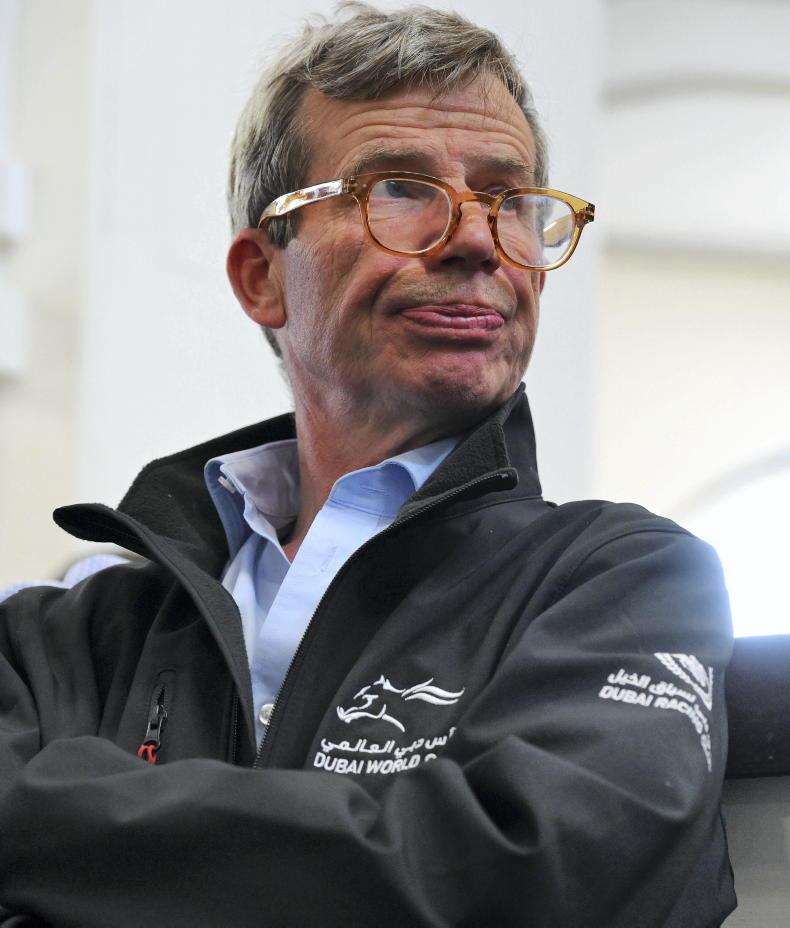
Osborne ruling
These conversations are by no means unique to racing. Similar debates have taken place across sport, agriculture, medicine and many other traditionally male-dominated industries. Younger generations increasingly expect workplaces to be not only physically safe, but also psychologically safe.
Reading the Osborne ruling over my morning coffee, what struck me was not the case in isolation but what came next. Seconds later, my social media feed served up a headline celebrating an actress’s “mind-blowing legs” as she walked through Paris during Fashion Week. The juxtaposition was striking. One story asked us to think carefully about objectification and professional boundaries; the next invited millions to judge a woman almost entirely by her appearance.
It was a reminder that these conversations are rarely straightforward. Society sends contradictory messages about where admiration ends and objectification begins. If the wider culture struggles to draw those lines consistently, it is perhaps unsurprising that workplaces wrestle with them too.
Reading the Osborne ruling over my morning coffee, what struck me was not the case in isolation but what came next. Seconds later, my social media feed served up a headline celebrating an actress’s “mind-blowing legs” as she walked through Paris during Fashion Week
That, of course, does not excuse inappropriate behaviour. Rather, it highlights why education matters. One of the most notable aspects of the British Horseracing Authority’s decision was its emphasis not only on sanction but on learning, requiring anti-sexual harassment and anti-misogyny training alongside disciplinary action. Cultural change is rarely achieved through punishment alone.
Over the years, I have heard jokes in equestrian contexts that were genuinely hilarious, and others where the laughter felt noticeably less comfortable. The difference was rarely the joke itself. It was whether everyone present was laughing for the same reason.
Few within the equine sport community would wish to lose the camaraderie that makes the sport unique.
A useful question for any workplace may simply be this: would the subject of the joke find it funny? If not, perhaps it is worth reconsidering. Equally, if someone says a comment or action that made another uncomfortable, is the response to dismiss their feelings or to listen?
Equestrian sport and racing have made enormous progress in opening opportunities for women. Female trainers, jockeys, bloodstock professionals, veterinarians, farriers and administrators are shaping every level of the industry. With that progress comes a responsibility to ensure workplaces are welcoming and inclusive.
Ultimately, this is not an argument against humour. It is about recognising that professionalism and kindness are entirely compatible with laughter. Perhaps the future of racing and equestrian sport is not about learning how to laugh less. It is about making sure nobody ever feels they have to laugh along.


SHARING OPTIONS