NEWS
Dr Vivian Gath
------------------------------------
Traditionally, horse owners have been aware of the dangers of poisonous plants such as ragwort and yew trees. The sycamore tree has not always been regarded as a threat. This year has changed our opinion of the sycamore and there have been an estimated 40-plus cases of poisoning in Ireland in the last two weeks (see news story page 33).
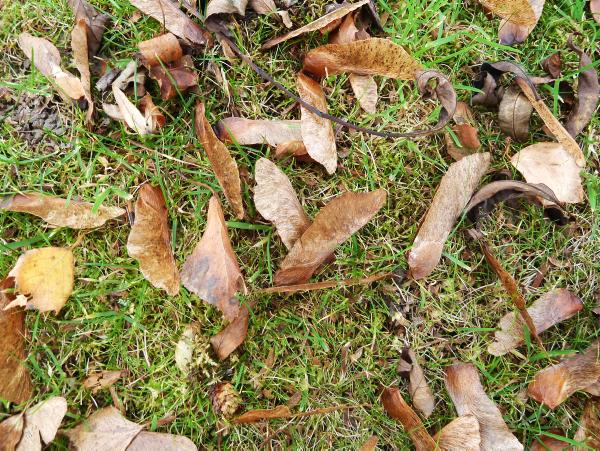
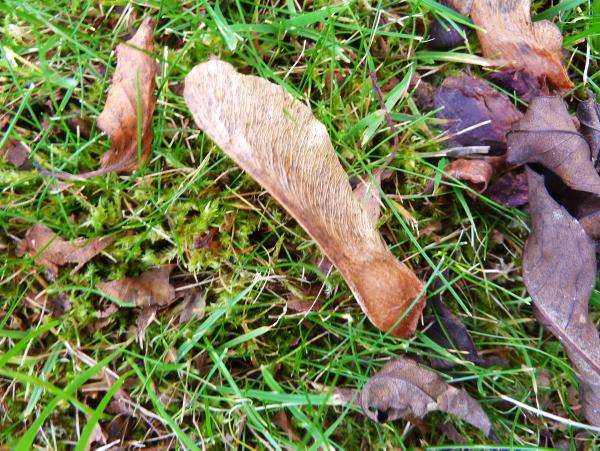
Considering there is a fatality rate of over 75% with sycamore poisoning, horse owners need to check their pastures now and take appropriate action. The sycamore seeds (helicopters) may contain a toxin (hypoglycin) to which there is no antidote. The level of toxin in the seeds is very variable and it seems that our recent weather conditions make 2014 an exceptional year for high toxin levels within the seeds.
Also at this time of the year, the seeds are falling from the trees and being carried with the wind for considerable distances, and mixing with the pasture that the horses are grazing.
Rivers and streams may also carry the seeds to fields a considerable distance from the sycamore trees. Some of the horses affected this year had been grazing in fields that previously never caused any problems.
As it is practically impossible to remove these seeds from the sward, the only option is to remove horses from these fields, or to fence off a large area around any sycamore trees. Young horses are particularly susceptible. Ruminants such as cattle and sheep seem much more tolerant to this toxin.
What are the signs?
The onset of the disease can be extremely rapid, with some horses found dead in their fields. Affected horses may be reluctant to stand, may be sweating and may have a raised heart rate and laboured breathing, which initially may be mistaken for colic. Other symptoms include weakness, shivering and reddish urine. If in doubt, contact your vet immediately who can confirm the condition with a blood test. The earlier the condition is diagnosed, the better the chance of survival.
What should owners do?
• Fence off areas where sycamore seeds and/or leaves have fallen. • Regularly inspect fields to ensure seeds have not blown in from nearby sycamore trees. • Supply extra forage (hay or haylage), especially where pasture is poor • Reduce stocking density so there is enough good grazing for every horse. • Turn out horses for short periods (ideally less than six hours). • Pick up and remove sycamore seeds, if possible.* Dr Vivian Gath, BSc HDipEd MVB PhD MRCVS, equine nutrition specialist, UCD School of Veterinary Medicine.
NEWS
Dr Vivian Gath
------------------------------------
Traditionally, horse owners have been aware of the dangers of poisonous plants such as ragwort and yew trees. The sycamore tree has not always been regarded as a threat. This year has changed our opinion of the sycamore and there have been an estimated 40-plus cases of poisoning in Ireland in the last two weeks (see news story page 33).
Considering there is a fatality rate of over 75% with sycamore poisoning, horse owners need to check their pastures now and take appropriate action. The sycamore seeds (helicopters) may contain a toxin (hypoglycin) to which there is no antidote. The level of toxin in the seeds is very variable and it seems that our recent weather conditions make 2014 an exceptional year for high toxin levels within the seeds.
Also at this time of the year, the seeds are falling from the trees and being carried with the wind for considerable distances, and mixing with the pasture that the horses are grazing.
Rivers and streams may also carry the seeds to fields a considerable distance from the sycamore trees. Some of the horses affected this year had been grazing in fields that previously never caused any problems.
As it is practically impossible to remove these seeds from the sward, the only option is to remove horses from these fields, or to fence off a large area around any sycamore trees. Young horses are particularly susceptible. Ruminants such as cattle and sheep seem much more tolerant to this toxin.
What are the signs?
The onset of the disease can be extremely rapid, with some horses found dead in their fields. Affected horses may be reluctant to stand, may be sweating and may have a raised heart rate and laboured breathing, which initially may be mistaken for colic. Other symptoms include weakness, shivering and reddish urine. If in doubt, contact your vet immediately who can confirm the condition with a blood test. The earlier the condition is diagnosed, the better the chance of survival.
What should owners do?
• Fence off areas where sycamore seeds and/or leaves have fallen. • Regularly inspect fields to ensure seeds have not blown in from nearby sycamore trees. • Supply extra forage (hay or haylage), especially where pasture is poor • Reduce stocking density so there is enough good grazing for every horse. • Turn out horses for short periods (ideally less than six hours). • Pick up and remove sycamore seeds, if possible.* Dr Vivian Gath, BSc HDipEd MVB PhD MRCVS, equine nutrition specialist, UCD School of Veterinary Medicine.





SHARING OPTIONS