Over the next five years, the Beef Data and Genomics Programme (BDGP) will herald a new departure for cattle breeding in Ireland. For pedigree breeders, the biggest talking point is how the BDGP will shape the industry and how they should respond while also ensuring they maintain the vision and judgment to anticipate the genetic demands of the beef industry in the future.
With 80% of suckler herd calvings sired by stock bulls, pedigree breeders are the primary source of new genetics for the commercial sector. Therefore, the breeding policy in pedigree herds drives the course of the beef industry and the type of cattle produced for 10 years into the future. It is extremely important for the purebred breeder to be able to gauge the demands and realities of the commercial industry.
Changing landscape
Of the 27,600 herds involved in the BDGP, 20,000 have a stock bull, so fulfilling the sire requirements of this constituency of herds will become an increasingly important element of the pedigree sector’s breeding and sales strategies. A comparison of spring and autumn 2015 pedigree bull sales shows a notable rise post-BDGP, for average sale price and clearance rate, underpinned by a strong buyers demand. What was also evident around pedigree sales rings was the increased influence eurostar values and star ratings had in purchasing decision. Indeed, our analysis indicates a strengthening trend between replacement index and sale price this autumn.
BDGP requirements
Breeding bulls eligible for the BDGP must have been genotyped as either four or five stars on the terminal or replacement index (on a within- or across-breed basis). To comply, suckler farmers will base their decision on whether they want the bull to breed potential female replacements (ie, the bull is four or five stars on the replacement index) or whether they only want the bull to breed animals for sale/slaughter (ie four or five stars on the terminal index).
The ICBF predicts an increasing number of herd-owners will be looking to buy a bull that is eligible on the replacement index requirement (ie four or five stars), as these bulls have greater potential to return more four- or five-star female offspring into the herd. Given the terminal focus of most beef breeds over the preceding decade, the replacement index requirement will be the most challenging aspect for some pedigree breeds. Additionally, work undertaken by Teagasc and ICBF, shows that farmers looking to breed a one- or two-star cow in a bid to get a four- or five-star replacement female will need to source a bull with a replacement index of €165 -€195 (see Table 1).
Such high replacement index bulls from proven lines are quite limited in some beef breeds and originate from similar genetic lines.
Breed society view
We asked six beef breed societies (covering >85% of suckler births) do they feel BDGP is a game-change for their breed and what advice they are offering to their members. We also asked the ICBF to set out its vision for pedigree breeding in this country
Irish Charolais Society
Is the BDGP a game-changer for your breed? The introduction of the scheme is focusing large numbers of breeders to look at the indices more closely than they might have in the past. This should be of benefit to the breed in the future, especially regarding female replacements – that is if the eurostar indices of some bulls do not change dramatically in the meantime, which can happen. However, the introduction of genomics will hopefully increase the reliability of the indices and limit how much they can change in the future.
What breeding advice are you giving to members? The biggest hurdle breeders have to overcome is finding proven high-index bulls which are not related to stock within their own herds. The downside of this is that it will narrow the gene pool within the breed. However, the first thing breeders must look at is how they can improve the accuracy of the eurostar indices of the cattle within their own herds. This will mean recording as much information as possible on the performance of their cattle. For example:
1. Recording calving scores for all pedigree calves born in their herd.
2. Recording/measuring birth weights for all pedigree calves born in their herd.
3. Recording cow service/insemination dates accurately.
4. Linear scoring all pedigree calves born in their herd between 250–365 days old.
What is the society’s vision?
Being a terminal breed, we hope that the BDGP scheme will help improve the maternal traits of the Charolais breed. The emphasis for most Charolais breeders has been on terminal traits. We expect that the introduction of the BDGP scheme will make breeders more aware of the necessity to breed four- and five-star maternal replacement females.
Irish Simmental Society
Is BDGP a game-changer for your breed? Many of the issues raised after the announcement of the BDGP are still major concerns. The absence of a minimum reliability requirement for the scheme is worrying. Hopefully farmers will weigh up their decisions wisely and not end up slaughtering top-quality animals that currently don’t meet the eurostar requirements of the scheme. All breed societies have raised concerns in relation to gene pool tightening as a result of breeders and farmers using the highest indexed animals available. While acknowledging that the scheme has some advantages, it is the focus of the society to ensure it is not a game-changer in the wrong direction by encouraging pedigree breeders to keep bloodlines diverse while continuing to focus on the key profit traits.
What breeding advice are you giving to members? Unfortunately, some breeders will sacrifice visual improvement and functionality in order to increase the star rating of their progeny. Pedigree breeders must plan a number of years ahead in trying to breed functionally correct foundation females. We are suggesting to breeders to consider targeting a section of their herd into a long-term breeding programme to produce quality animals with diverse bloodlines that will continue to drive the breed forward. They can target breeding a selection of bulls for today’s market by breeding some of their higher index females with bulls of an average to high index with high reliability. We are advising breeders not to concentrate all their efforts on chasing stars because in reality catching the desired star is not always possible.
What is the society’s vision? We are keen to emphasise that evaluations are a useful tool to be used in the selection of animals in conjunction with assessing the actual animal and also examining back bloodlines. This fact is being lost on many within the industry and has been fuelled by the scheme, which is a worrying trend. Surely a visual assessment of quality and functionality should always play a key role in animal selection.
Irish Limousin Society
Is BDGP a game-changer for your breed? Yes, because now many customers are only interested in looking for five-star animals without really knowing what they are actually looking for and without ever realising that in many cases, these stars may have very low reliability which could change in the future. Customers think that animals with poor star rating should be shunned, which is incorrect. There are plenty of good-quality animals that have a low star rating – more work needs to be done on the accuracy and differential of the stars. There are two main issues – firstly, bloodlines could become closely related quite rapidly, and secondly, concern over the type of progeny that will be produced.
What breeding advice are you giving to members? We have been inundated with queries from both pedigree and commercial farmers asking about the status of their animals. Our advice is, if you have a good five-star cow, keep breeding her. If you have a one- or two-star cow that is breeding well, keep her – good cattle don’t become bad overnight just because of an index. Likewise, if you have a cow – regardless of her stars – that isn’t producing a good calf, cull her. We see merit in the scheme and it may be a help for our members to address the maternal traits.
What is the society’s vision? To continue breeding Limousin cattle to the breed type and ensuring they deliver on calving ease, docility, fertility, milk and good conformation. We will embrace all technology and initiatives that can improve our breed but it must be relative, accurate and make sense. When breeding, one should use the following steps: 1 use your eyes to look at the animal; 2 look at the breeding; and 3 use any other information available as a guide but be aware of its accuracy. New technology may be helpful, but up to now cattle breeders had really only the first two options and so far history would say they haven’t done too bad a job.
Irish Belgian Blue Society
Is the BDGP a game-changer for your breed? The BDGP has been a game-changer for Belgian Blues. The scheme is benefiting maternal beef breeds – the focus has been lost on promoting mainly terminal breeds like ourselves. Terminal sires are essential in order to continue breeding high-quality stock suitable for exporting and finishing.
What breeding advice are you giving to members? Producing bulls for the scheme will require sires proven with high star ratings and reliability. In the long run, this would result in a smaller gene pool as the usage of new young bulls from Belgium will be reduced. We are encouraging breeders to breed correct functional bulls. Sires should not be selected on star ratings alone.
What is the society’s vision? We see a bright future ahead. Belgian Blues offer a super cross for both dairy and beef cows. They achieve premium prices for the export market as well as leaving profitable margins for finishing at home. It is essential that farmers do not lose focus on producing quality beef by focusing on star ratings.
Irish Angus
Society
Is the BDGP a game-changer for your breed? Due to the natural docility, high milk and excellent fertility of the Irish Angus breed, BDGP will highlight the benefits of having an Angus cross cow and a four- and five-star Irish Angus bull in suckler herds.
What breeding advice are you giving to members? Breed for a purpose. If breeding for the dairy market, your bull must have a short gestation and be easy-calving. If breeding for the suckler market, breed for good milk and fertility. Due to the low reliability of the figures of some cattle, we would recommend breeders not to make rash decisions.
What is the society’s vision? After our very successful elite sale last week, which saw an 80% clearance of bulls and a strong average price, many of which are going into suckler herds, the beef market requires cattle to be in-spec. Angus are easily finished and have lower carbon footprint. It is important that anybody intending to finish Angus cattle in the coming years should become a member of the Irish Angus Producer Group.
Irish Hereford Society
Is the BDGP a game-changer for your breed? The fact that the star rating for both males and females can change three times a year is leaving producers in a state of confusion. While the use of four- and five-star animals is a requirement for the scheme, there is little regard for the reliability of the predicted performance. If these animals do not perform to the expectations of the ICBF, massive damage could be done to the national herd over a period of six years. Single trait selection (ie terminal) has been a major factor in arriving where we are in the beef suckler herd. Given the current weighting in favour of maternal traits, there is a possibility the programme could go too far in one direction and sacrifice other valuable traits, as has happened in the past. Maternal issues have much to do with management and not just genetics. The Irish Hereford Society’s breed improvement programme finds itself hamstrung in procuring new bloodlines. New imported bloodlines or outcross bulls are penalised within the system. Breeders are innovative and need new lines to breed the bull of the future.
What breeding advice are you giving to members? Breeders are being advised to cull severely on a wide range of issues while not necessarily being guided by star rating only. Given that the Hereford genetics currently available to Irish breeders are of a high standard, there is the possibility of increasing production and performance through better all-round management of herds.
What is the society’s vision? Given the worldwide proliferation of the Hereford breed, we see a new consumer appreciation of the eating quality of Hereford beef and a move away from the continental notion of measuring beef quality based on the shape of the carcase. Current demand would indicate that the breed will play a major role in producing beef from the dairy herd incurring very low carbon emissions.
ICBF comment
What is the ICBF’s vision for Irish pedigree breeding going forward?: There are a couple of broad areas that the ICBF is focusing on with regard to Irish pedigree breeding in the future.
1. Increase performance recording in pedigree herds: Producing genetic Indices is one of the ICBF’s main functions. However, the accuracy with which an index predicts an animal’s future breeding results is hugely dependent on how much on the ground data has been recorded on that animal and its relatives. All of the focus is on stars. However, we have to ensure that the level of performance recording increases. ICBF also has to continually ensure the traits pedigree breeders are spending time and money on recording are all directly linked to their animal’s eurostars.
2. Increase pedigree breeder participation in Gene Ireland
We need more pedigree breeders to partake in the Gene Ireland programme (Ireland’s beef progeny test programme) through performance recording (scoring, weighing etc) so we can increase the chances of the best young Irish beef bulls being selected for progeny testing. Linked to Gene Ireland is also a vision that pedigree breeders continue to embrace, understand and promote ‘€uro-Stars’. The breeding tools for a breeder are there, from Herdplus and performance recording to AI and genomics.
3. Increasing the uptake of genomics in pedigree herds
Genomics uses the DNA of an animal to increase the accuracy with which eurostar evaluations will predict its offspring’s performance. It can do this even before the animal has produced any offspring. It also confirms parentage and identifies disease genes. Breed societies and pedigree breeders have played a key role in paving the way for genomics being established in Ireland. At the moment, 2014- and 2015-born pedigree animals are being genotyped, but the vision in the very near future is that all pedigree animals will be genotyped.
In summary, all pedigree breeders are in effect signed up to the BDGP as their customers will be mainly looking for genotyped four- and five-star bulls. It is therefore very important, as a pedigree breeder, that by getting your herd involved in performance recording and genomics, you are making sure that the good genetics which your stock possess, are fully reflected in their eurostars. This will ensure that you get the return you deserve at sale time for the time and money that you have invested in your pedigree stock.
Read more
Focus supplement: Pedigree breeding
Over the next five years, the Beef Data and Genomics Programme (BDGP) will herald a new departure for cattle breeding in Ireland. For pedigree breeders, the biggest talking point is how the BDGP will shape the industry and how they should respond while also ensuring they maintain the vision and judgment to anticipate the genetic demands of the beef industry in the future.
With 80% of suckler herd calvings sired by stock bulls, pedigree breeders are the primary source of new genetics for the commercial sector. Therefore, the breeding policy in pedigree herds drives the course of the beef industry and the type of cattle produced for 10 years into the future. It is extremely important for the purebred breeder to be able to gauge the demands and realities of the commercial industry.
Changing landscape
Of the 27,600 herds involved in the BDGP, 20,000 have a stock bull, so fulfilling the sire requirements of this constituency of herds will become an increasingly important element of the pedigree sector’s breeding and sales strategies. A comparison of spring and autumn 2015 pedigree bull sales shows a notable rise post-BDGP, for average sale price and clearance rate, underpinned by a strong buyers demand. What was also evident around pedigree sales rings was the increased influence eurostar values and star ratings had in purchasing decision. Indeed, our analysis indicates a strengthening trend between replacement index and sale price this autumn.
BDGP requirements
Breeding bulls eligible for the BDGP must have been genotyped as either four or five stars on the terminal or replacement index (on a within- or across-breed basis). To comply, suckler farmers will base their decision on whether they want the bull to breed potential female replacements (ie, the bull is four or five stars on the replacement index) or whether they only want the bull to breed animals for sale/slaughter (ie four or five stars on the terminal index).
The ICBF predicts an increasing number of herd-owners will be looking to buy a bull that is eligible on the replacement index requirement (ie four or five stars), as these bulls have greater potential to return more four- or five-star female offspring into the herd. Given the terminal focus of most beef breeds over the preceding decade, the replacement index requirement will be the most challenging aspect for some pedigree breeds. Additionally, work undertaken by Teagasc and ICBF, shows that farmers looking to breed a one- or two-star cow in a bid to get a four- or five-star replacement female will need to source a bull with a replacement index of €165 -€195 (see Table 1).
Such high replacement index bulls from proven lines are quite limited in some beef breeds and originate from similar genetic lines.
Breed society view
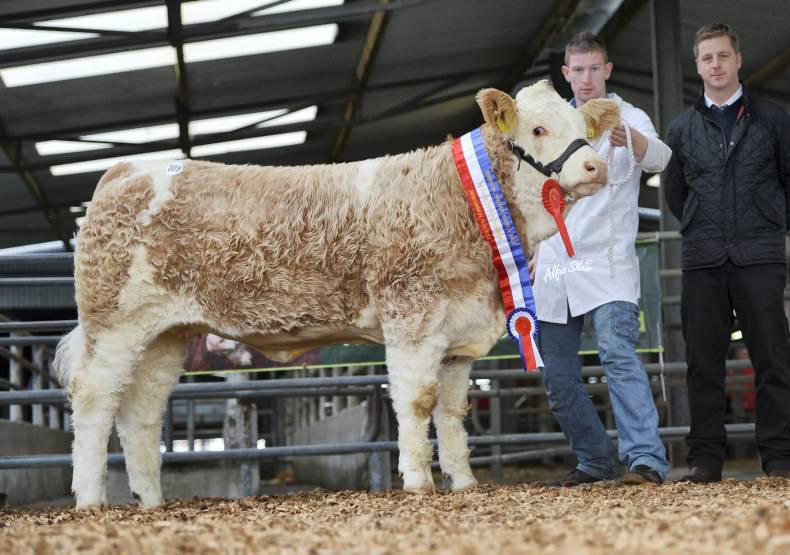
We asked six beef breed societies (covering >85% of suckler births) do they feel BDGP is a game-change for their breed and what advice they are offering to their members. We also asked the ICBF to set out its vision for pedigree breeding in this country
Irish Charolais Society
Is the BDGP a game-changer for your breed? The introduction of the scheme is focusing large numbers of breeders to look at the indices more closely than they might have in the past. This should be of benefit to the breed in the future, especially regarding female replacements – that is if the eurostar indices of some bulls do not change dramatically in the meantime, which can happen. However, the introduction of genomics will hopefully increase the reliability of the indices and limit how much they can change in the future.
What breeding advice are you giving to members? The biggest hurdle breeders have to overcome is finding proven high-index bulls which are not related to stock within their own herds. The downside of this is that it will narrow the gene pool within the breed. However, the first thing breeders must look at is how they can improve the accuracy of the eurostar indices of the cattle within their own herds. This will mean recording as much information as possible on the performance of their cattle. For example:
1. Recording calving scores for all pedigree calves born in their herd.
2. Recording/measuring birth weights for all pedigree calves born in their herd.
3. Recording cow service/insemination dates accurately.
4. Linear scoring all pedigree calves born in their herd between 250–365 days old.
What is the society’s vision?
Being a terminal breed, we hope that the BDGP scheme will help improve the maternal traits of the Charolais breed. The emphasis for most Charolais breeders has been on terminal traits. We expect that the introduction of the BDGP scheme will make breeders more aware of the necessity to breed four- and five-star maternal replacement females.
Irish Simmental Society
Is BDGP a game-changer for your breed? Many of the issues raised after the announcement of the BDGP are still major concerns. The absence of a minimum reliability requirement for the scheme is worrying. Hopefully farmers will weigh up their decisions wisely and not end up slaughtering top-quality animals that currently don’t meet the eurostar requirements of the scheme. All breed societies have raised concerns in relation to gene pool tightening as a result of breeders and farmers using the highest indexed animals available. While acknowledging that the scheme has some advantages, it is the focus of the society to ensure it is not a game-changer in the wrong direction by encouraging pedigree breeders to keep bloodlines diverse while continuing to focus on the key profit traits.
What breeding advice are you giving to members? Unfortunately, some breeders will sacrifice visual improvement and functionality in order to increase the star rating of their progeny. Pedigree breeders must plan a number of years ahead in trying to breed functionally correct foundation females. We are suggesting to breeders to consider targeting a section of their herd into a long-term breeding programme to produce quality animals with diverse bloodlines that will continue to drive the breed forward. They can target breeding a selection of bulls for today’s market by breeding some of their higher index females with bulls of an average to high index with high reliability. We are advising breeders not to concentrate all their efforts on chasing stars because in reality catching the desired star is not always possible.
What is the society’s vision? We are keen to emphasise that evaluations are a useful tool to be used in the selection of animals in conjunction with assessing the actual animal and also examining back bloodlines. This fact is being lost on many within the industry and has been fuelled by the scheme, which is a worrying trend. Surely a visual assessment of quality and functionality should always play a key role in animal selection.
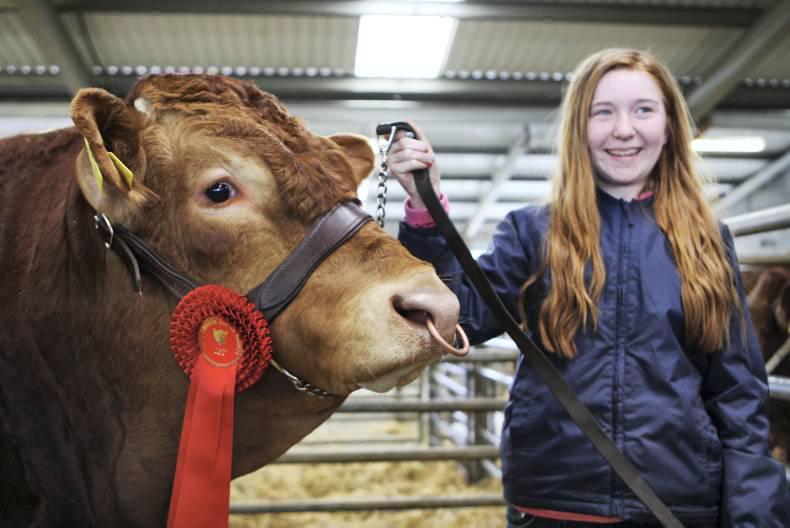
Irish Limousin Society
Is BDGP a game-changer for your breed? Yes, because now many customers are only interested in looking for five-star animals without really knowing what they are actually looking for and without ever realising that in many cases, these stars may have very low reliability which could change in the future. Customers think that animals with poor star rating should be shunned, which is incorrect. There are plenty of good-quality animals that have a low star rating – more work needs to be done on the accuracy and differential of the stars. There are two main issues – firstly, bloodlines could become closely related quite rapidly, and secondly, concern over the type of progeny that will be produced.
What breeding advice are you giving to members? We have been inundated with queries from both pedigree and commercial farmers asking about the status of their animals. Our advice is, if you have a good five-star cow, keep breeding her. If you have a one- or two-star cow that is breeding well, keep her – good cattle don’t become bad overnight just because of an index. Likewise, if you have a cow – regardless of her stars – that isn’t producing a good calf, cull her. We see merit in the scheme and it may be a help for our members to address the maternal traits.
What is the society’s vision? To continue breeding Limousin cattle to the breed type and ensuring they deliver on calving ease, docility, fertility, milk and good conformation. We will embrace all technology and initiatives that can improve our breed but it must be relative, accurate and make sense. When breeding, one should use the following steps: 1 use your eyes to look at the animal; 2 look at the breeding; and 3 use any other information available as a guide but be aware of its accuracy. New technology may be helpful, but up to now cattle breeders had really only the first two options and so far history would say they haven’t done too bad a job.
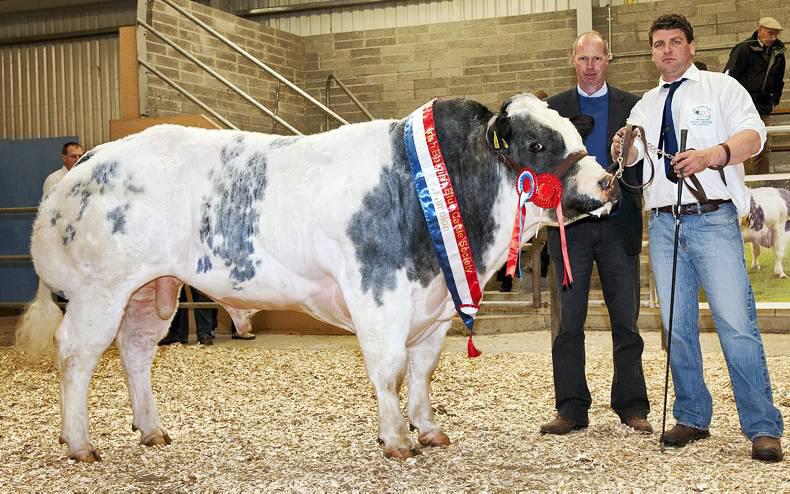
Irish Belgian Blue Society
Is the BDGP a game-changer for your breed? The BDGP has been a game-changer for Belgian Blues. The scheme is benefiting maternal beef breeds – the focus has been lost on promoting mainly terminal breeds like ourselves. Terminal sires are essential in order to continue breeding high-quality stock suitable for exporting and finishing.
What breeding advice are you giving to members? Producing bulls for the scheme will require sires proven with high star ratings and reliability. In the long run, this would result in a smaller gene pool as the usage of new young bulls from Belgium will be reduced. We are encouraging breeders to breed correct functional bulls. Sires should not be selected on star ratings alone.
What is the society’s vision? We see a bright future ahead. Belgian Blues offer a super cross for both dairy and beef cows. They achieve premium prices for the export market as well as leaving profitable margins for finishing at home. It is essential that farmers do not lose focus on producing quality beef by focusing on star ratings.
Irish Angus
Society
Is the BDGP a game-changer for your breed? Due to the natural docility, high milk and excellent fertility of the Irish Angus breed, BDGP will highlight the benefits of having an Angus cross cow and a four- and five-star Irish Angus bull in suckler herds.
What breeding advice are you giving to members? Breed for a purpose. If breeding for the dairy market, your bull must have a short gestation and be easy-calving. If breeding for the suckler market, breed for good milk and fertility. Due to the low reliability of the figures of some cattle, we would recommend breeders not to make rash decisions.
What is the society’s vision? After our very successful elite sale last week, which saw an 80% clearance of bulls and a strong average price, many of which are going into suckler herds, the beef market requires cattle to be in-spec. Angus are easily finished and have lower carbon footprint. It is important that anybody intending to finish Angus cattle in the coming years should become a member of the Irish Angus Producer Group.
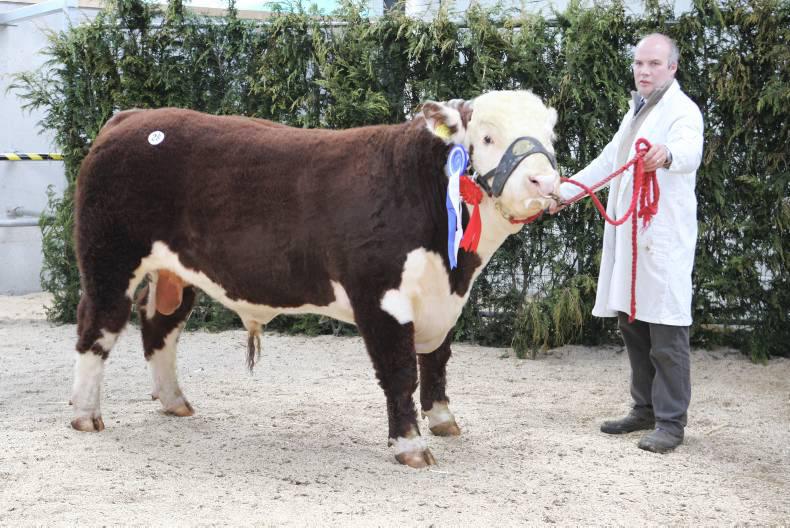
Irish Hereford Society
Is the BDGP a game-changer for your breed? The fact that the star rating for both males and females can change three times a year is leaving producers in a state of confusion. While the use of four- and five-star animals is a requirement for the scheme, there is little regard for the reliability of the predicted performance. If these animals do not perform to the expectations of the ICBF, massive damage could be done to the national herd over a period of six years. Single trait selection (ie terminal) has been a major factor in arriving where we are in the beef suckler herd. Given the current weighting in favour of maternal traits, there is a possibility the programme could go too far in one direction and sacrifice other valuable traits, as has happened in the past. Maternal issues have much to do with management and not just genetics. The Irish Hereford Society’s breed improvement programme finds itself hamstrung in procuring new bloodlines. New imported bloodlines or outcross bulls are penalised within the system. Breeders are innovative and need new lines to breed the bull of the future.
What breeding advice are you giving to members? Breeders are being advised to cull severely on a wide range of issues while not necessarily being guided by star rating only. Given that the Hereford genetics currently available to Irish breeders are of a high standard, there is the possibility of increasing production and performance through better all-round management of herds.
What is the society’s vision? Given the worldwide proliferation of the Hereford breed, we see a new consumer appreciation of the eating quality of Hereford beef and a move away from the continental notion of measuring beef quality based on the shape of the carcase. Current demand would indicate that the breed will play a major role in producing beef from the dairy herd incurring very low carbon emissions.
ICBF comment
What is the ICBF’s vision for Irish pedigree breeding going forward?: There are a couple of broad areas that the ICBF is focusing on with regard to Irish pedigree breeding in the future.
1. Increase performance recording in pedigree herds: Producing genetic Indices is one of the ICBF’s main functions. However, the accuracy with which an index predicts an animal’s future breeding results is hugely dependent on how much on the ground data has been recorded on that animal and its relatives. All of the focus is on stars. However, we have to ensure that the level of performance recording increases. ICBF also has to continually ensure the traits pedigree breeders are spending time and money on recording are all directly linked to their animal’s eurostars.
2. Increase pedigree breeder participation in Gene Ireland
We need more pedigree breeders to partake in the Gene Ireland programme (Ireland’s beef progeny test programme) through performance recording (scoring, weighing etc) so we can increase the chances of the best young Irish beef bulls being selected for progeny testing. Linked to Gene Ireland is also a vision that pedigree breeders continue to embrace, understand and promote ‘€uro-Stars’. The breeding tools for a breeder are there, from Herdplus and performance recording to AI and genomics.
3. Increasing the uptake of genomics in pedigree herds
Genomics uses the DNA of an animal to increase the accuracy with which eurostar evaluations will predict its offspring’s performance. It can do this even before the animal has produced any offspring. It also confirms parentage and identifies disease genes. Breed societies and pedigree breeders have played a key role in paving the way for genomics being established in Ireland. At the moment, 2014- and 2015-born pedigree animals are being genotyped, but the vision in the very near future is that all pedigree animals will be genotyped.
In summary, all pedigree breeders are in effect signed up to the BDGP as their customers will be mainly looking for genotyped four- and five-star bulls. It is therefore very important, as a pedigree breeder, that by getting your herd involved in performance recording and genomics, you are making sure that the good genetics which your stock possess, are fully reflected in their eurostars. This will ensure that you get the return you deserve at sale time for the time and money that you have invested in your pedigree stock.
Read more
Focus supplement: Pedigree breeding





SHARING OPTIONS