The community leading the way on fighting crime
Rarely does something shake a rural community more than a series of aggravated burglaries. Though figures show burglaries and theft are on the decrease (see panel), the reduced number of garda stations in rural Ireland has left many people feeling vulnerable.
However, some rural communities are fighting back. The Laois town of Shanahoe is a perfect example of this. Located just 10 minutes from the M7, the town became a prominent target for criminals and thieves. After a spate of robberies in the area, a decision was taken by the local community in March 2013 to protect themselves against this criminal activity.
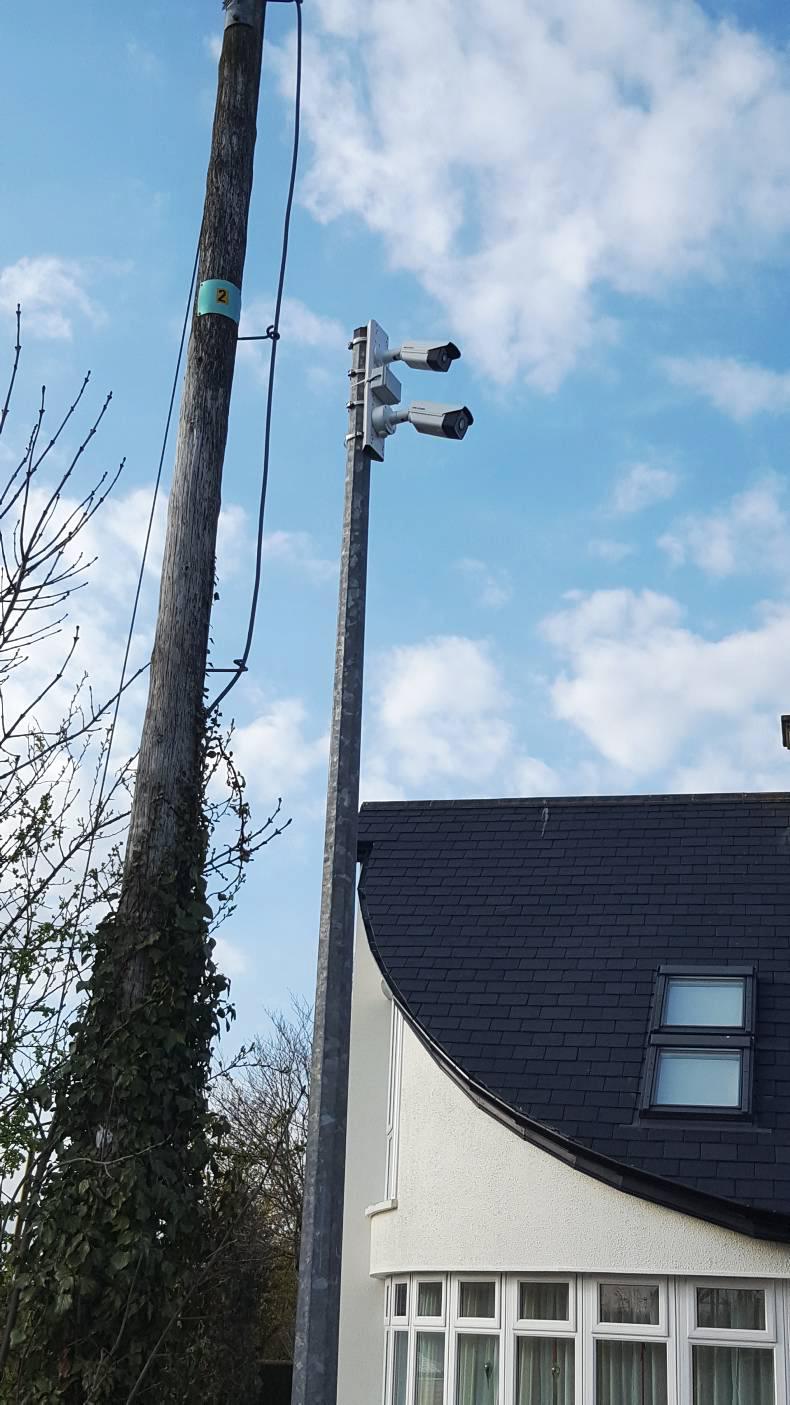
Three years later, the area has 24 fully functioning cameras at 12 different locations around the rural town. There are two cameras at every location, one for general view and one specific to car registration plates, helping to identify possible perpetrators of crime in the area. The cameras are fully operational day and night.
The result, according to Jimmy Ryan, chair of Shanahoe Community Alert, has been astounding.
“We have seen little or no criminal activity since the cameras went up, compared to before. Even unsocial behaviour involving boy racers has all but gone,” he says.
With the initial idea coming after a major robbery on St Patrick Day 2013, the local community, driven by Shanahoe Community Alert, went about raising sufficient money to fund the project. In total, the project cost the community €37,000, averaging €185 per household in the area. All of this money was locally funded and Jimmy believes that it is well spent.
“The cameras have given people some peace of mind. Where before people would have been concerned when it came to burglaries, this security system, in many ways, has reduced the risk,” he says.
Working with the gardaí and local authorities, planning permission also had to be sought to erect the cameras, which finally came into operation in January 2016. The Garda Commissioner, Noirin O’Sullivan, also had to sign off on the plans for data protection purposes, so as to be able to officially use the footage when required.
The success of this initiative has not gone unnoticed either, with numerous rural communities following suit.
“We were the first rural town in Ireland to secure the proper planning permission and garda clearance for something like this,” Jimmy says.
The victim’s story
While statistics showing decreasing burglary rates are well and good, they are no consolation to a victim of crime.
Tom Doran of Borris, Co Carlow, has been “living in fear” since his property was broken into recently. When metal was taken from his yard, the intruder, when confronted, attempted to drive over his wife, Margaret, in a bid to escape, luckily missing her.
“For a period of time before this particular incident, we had men in vans coming to my house wanting to buy scrap metal off us. Then one day I was away and my neighbour noticed these men in my yard moving stuff around,” Tom says.
When the gardaí were unable to get to the yard in time, Tom’s neighbours and wife confronted the men.
“My neighbours blocked the road so the person couldn’t escape. When Margaret confronted him about being on our property, he drove at her, nearly knocking her down.”
In the process of all of this, Tom’s neighbours discharged two firearms at the intruder in an attempt to protect his wife. The intruder is currently suing for damages in court.
Tom believes the law should be designed to protect victims of crime and not favour the perpetrators.
“It just seems that there is no law for me but a law for them. I will have to pay up to €5,000 to €6,000 in fees for defending myself in court. It just doesn’t seem fair,” Tom says.
“If things are to improve, solutions to this problem have to be identified. Tag repeated criminals or implement a system whereby fines must be paid by these people.”
Rural Crime Presentation, Coláiste Mhuire
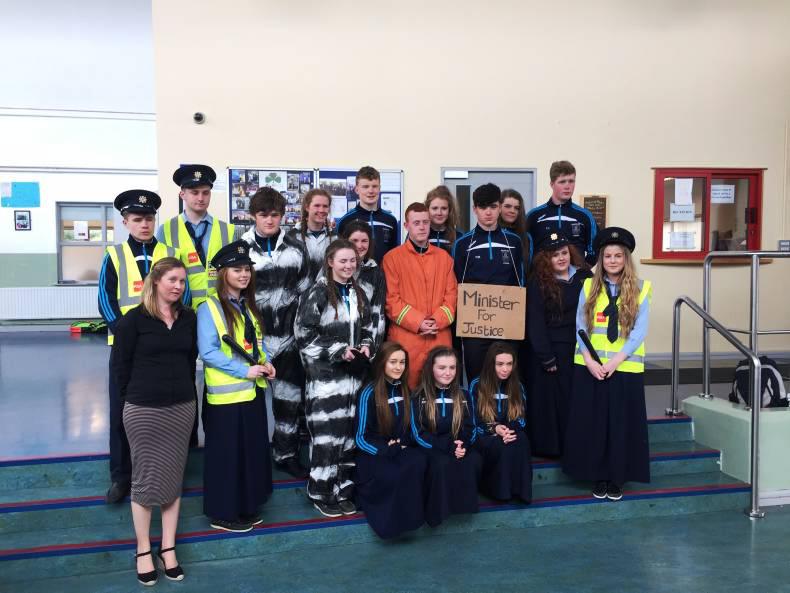
When it comes to community focus, young people are also taking centre stage to fight the issue of rural crime. TY students in Coláiste Mhuire of Askeaton, Co Limerick, held a presentation on rural crime on 28 April as part of the Young Social Innovators programme (YSI). The title of their project, Crime Time, outlines the impact that closures of garda stations have had on rural areas in Limerick, as well as detailed statistics on crime nationwide. The project was undertaken by 28 transition year students who feel passionate about informing and protecting local communities.
Some facts outlined include:
One in eight people are affected directly by crime.75% of burglaries are carried out by 25% of burglars.What is Operation Thor?
This is a national anti-crime strategy launched by An Garda Siochána in November 2015 to tackle organised crime gangs and repeat offenders. With the aid of €5m in additional Government funding, additional patrols, checkpoints, and rapid armed response are available, where necessary, as well as national and local awareness campaigns.
The community leading the way on fighting crime
Rarely does something shake a rural community more than a series of aggravated burglaries. Though figures show burglaries and theft are on the decrease (see panel), the reduced number of garda stations in rural Ireland has left many people feeling vulnerable.
However, some rural communities are fighting back. The Laois town of Shanahoe is a perfect example of this. Located just 10 minutes from the M7, the town became a prominent target for criminals and thieves. After a spate of robberies in the area, a decision was taken by the local community in March 2013 to protect themselves against this criminal activity.
Three years later, the area has 24 fully functioning cameras at 12 different locations around the rural town. There are two cameras at every location, one for general view and one specific to car registration plates, helping to identify possible perpetrators of crime in the area. The cameras are fully operational day and night.
The result, according to Jimmy Ryan, chair of Shanahoe Community Alert, has been astounding.
“We have seen little or no criminal activity since the cameras went up, compared to before. Even unsocial behaviour involving boy racers has all but gone,” he says.
With the initial idea coming after a major robbery on St Patrick Day 2013, the local community, driven by Shanahoe Community Alert, went about raising sufficient money to fund the project. In total, the project cost the community €37,000, averaging €185 per household in the area. All of this money was locally funded and Jimmy believes that it is well spent.
“The cameras have given people some peace of mind. Where before people would have been concerned when it came to burglaries, this security system, in many ways, has reduced the risk,” he says.
Working with the gardaí and local authorities, planning permission also had to be sought to erect the cameras, which finally came into operation in January 2016. The Garda Commissioner, Noirin O’Sullivan, also had to sign off on the plans for data protection purposes, so as to be able to officially use the footage when required.
The success of this initiative has not gone unnoticed either, with numerous rural communities following suit.
“We were the first rural town in Ireland to secure the proper planning permission and garda clearance for something like this,” Jimmy says.
The victim’s story
While statistics showing decreasing burglary rates are well and good, they are no consolation to a victim of crime.
Tom Doran of Borris, Co Carlow, has been “living in fear” since his property was broken into recently. When metal was taken from his yard, the intruder, when confronted, attempted to drive over his wife, Margaret, in a bid to escape, luckily missing her.
“For a period of time before this particular incident, we had men in vans coming to my house wanting to buy scrap metal off us. Then one day I was away and my neighbour noticed these men in my yard moving stuff around,” Tom says.
When the gardaí were unable to get to the yard in time, Tom’s neighbours and wife confronted the men.
“My neighbours blocked the road so the person couldn’t escape. When Margaret confronted him about being on our property, he drove at her, nearly knocking her down.”
In the process of all of this, Tom’s neighbours discharged two firearms at the intruder in an attempt to protect his wife. The intruder is currently suing for damages in court.
Tom believes the law should be designed to protect victims of crime and not favour the perpetrators.
“It just seems that there is no law for me but a law for them. I will have to pay up to €5,000 to €6,000 in fees for defending myself in court. It just doesn’t seem fair,” Tom says.
“If things are to improve, solutions to this problem have to be identified. Tag repeated criminals or implement a system whereby fines must be paid by these people.”
Rural Crime Presentation, Coláiste Mhuire
When it comes to community focus, young people are also taking centre stage to fight the issue of rural crime. TY students in Coláiste Mhuire of Askeaton, Co Limerick, held a presentation on rural crime on 28 April as part of the Young Social Innovators programme (YSI). The title of their project, Crime Time, outlines the impact that closures of garda stations have had on rural areas in Limerick, as well as detailed statistics on crime nationwide. The project was undertaken by 28 transition year students who feel passionate about informing and protecting local communities.
Some facts outlined include:
One in eight people are affected directly by crime.75% of burglaries are carried out by 25% of burglars.What is Operation Thor?
This is a national anti-crime strategy launched by An Garda Siochána in November 2015 to tackle organised crime gangs and repeat offenders. With the aid of €5m in additional Government funding, additional patrols, checkpoints, and rapid armed response are available, where necessary, as well as national and local awareness campaigns.








SHARING OPTIONS