Family carers across Ireland continue to experience intense hardship across a range of issues from financial to health, according to the State of Caring 2026 report, based on a survey of over 3,000 carers living throughout the country.
The bi-annual report from Family Carers Ireland, published this week, reveals a significant majority of those who care for loved ones, do so without adequate formal support.
The study’s findings show carers struggle to make ends meet as the cost of living crisis continues to bite, with many households forced to cut back on essentials such as food and heating.
Respondents also report high levels of poor physical and mental health, as well as extreme loneliness in many cases.
A growing concern among older parent carers is the absence of formal pathways of care for their adult children, who are currently being cared for in the family home.
A campaign launched by the Before We Die campaign group last November has gathered separate research among 1,000 families across Ireland. The group published its Aging Carer Crisis report in March that showed 48% of carers are aged over 60, with 92% of people with an intellectual disability relying on a parent as primary carer.
Before We Die
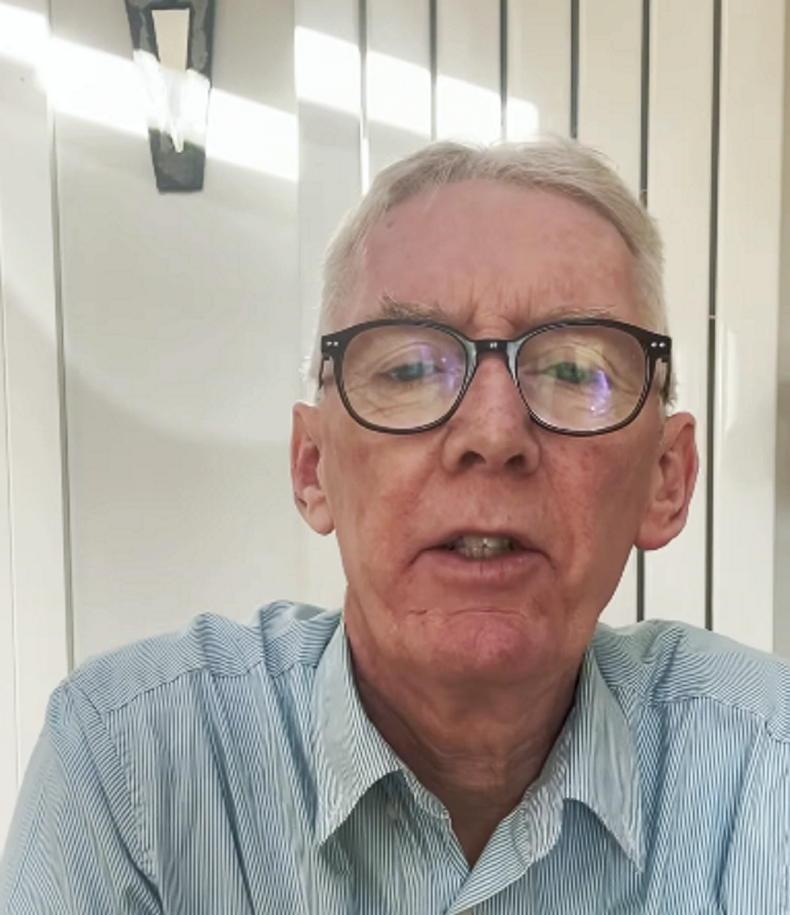
Tony Murray, a founder member of Before We Die says the Government needs to do more to support both carers and vulnerable people to transition to supported housing before a parent dies.
“There is no plan from Government to provide proper care, and despite 250 residential places being announced in last year’s budget, which was described as a big increase in provision, 178 of these can only be accessed when a parent dies,” he explains.
“There are 2,065 adults with an intellectual disability (ID) being cared for by a parent aged over 70 and a further 500 whose carer is aged over 80. Breaking that down to a regional level, there are 378 families in Cork and Kerry where the carer of the adult with an ID is over 70. Across both counties there are only nine residential places available in the event these carers can no longer care for their adult child at home.”
A mother’s story
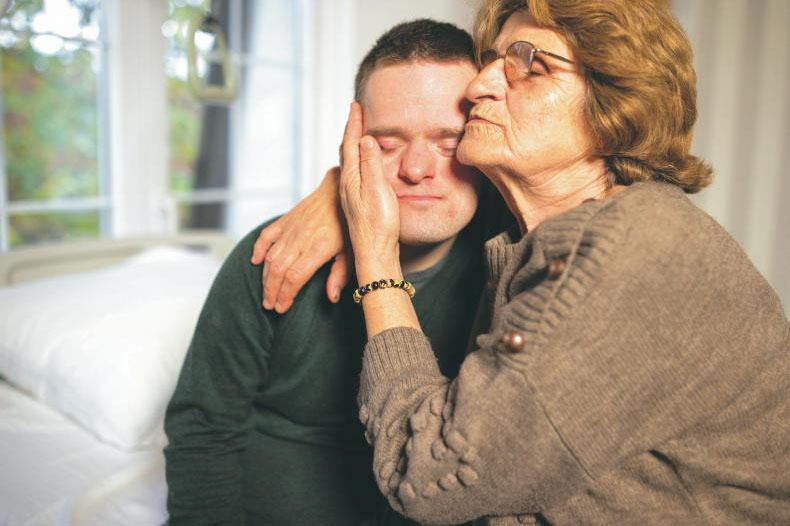
One mother in north Cork believes nothing tangible is being done to support families like hers where she is the sole, full-time carer for her adult son.
“When you get the diagnosis of an intellectual disability for your child, as a parent you go into free fall. You’re young and very naive and you believe it when you’re told help and support is there,” says Frances* who is the primary carer for her son who is in his mid-30s and has autism.
“Now that we are 30 years down the line, it feels like we’ve been dropped into a dark forest that is a maze. Every path you go down is a dead end and this goes on and on.
“I am a widow of some years and when my husband died suddenly, I assumed there would be supports offered to my son by either the Health Service Executive (HSE), or the service provider we were using. I was told that because the main caregiver hadn’t died, it wasn’t considered an emergency case. When I asked for support for my son to help him with his grief, the HSE said they didn’t offer it and told me to take him to our GP.”
I’m in my late 60s and have several health issues, but for my mental wellbeing I need to know my adult son will be supported on a predetermined pathway, after I’m gone
Frances says she considers her son lucky to live in a small village in rural Ireland, where his routine can be maintained and he is supported by those living in the vicinity.
“People in our local community all know my son and regularly bring him to GAA and soccer matches, he loves his sport, and to the local pub,” she adds.
“This help is voluntary and down to the goodness of our neighbours and friends who know my son’s little quirks and keep an eye out for him. From the Irish Countrywomen’s Association (ICA) women to the Tidy Towns groups, the local GAA club and soccer club, they all know him and he knows them.
“We’re surrounded by farmland and my son knows all the local farmers who are very kind to him. He is mad into farming and could tell you everything and anything about tractors and trailers.
“The situation as it stands currently means that if anything happened to me in the morning, my son would be moved to a residential centre anywhere in the country, where he would know nobody and where the staff would have no knowledge of how to care for his individual needs.
“My other children, his siblings, are very good to us, but they have their own lives and their own families to care for. “We have lots of support in an emergency. It’s the day-to-day things I have to figure out on my own.”
Frances says she has grown cynical over the years as to what help will be given to her son.
“We are up against a system that is not designed to support my son. His respite can be cancelled at the drop of a hat and the outreach service he attends didn’t run this week because of staffing issues, so he’s been at home 24/7,” she says.
“Family Carers Ireland have been an incredible support to me down through the years, especially during the pandemic when I was able to get counselling through them and that helped a lot.
“I also have very good friends who check in with me regularly but trying to meet up with them can be hard. I can leave my son for an hour or so, which helps build his independence, but co-ordinating something as simple as meeting a friend for coffee is difficult.”
Frances believes the Government and HSE need to enact adequate protocols to ensure her son isn’t left facing an emergency placement away from his community in the event of her sudden death.
“To know there was a clear, staged pathway for him, that wouldn’t disappear or change, would make a huge difference to my life and give me some peace of mind. I’m not looking for anything huge but I just want something tangible, a protocol in place that if something happens me, he will instantly be cared for with his needs prioritised.
“Also, the fact he is deemed to have capacity to make his own decisions, means I am restricted from putting something in place for when I’m gone. That is the most frustrating thing.
“I’m in my late 60s and have several health issues, but for my mental wellbeing I need to know my adult son will be supported on a predetermined pathway, after I’m gone. Having nothing in place is very scary but I don’t have a choice, I have to keep going. It’s so exhausting trying to navigate a way around stupidity. All the policies that are in place are there to protect the institutions of the State, they don’t have people front and centre.
“We are looking for the most basic human rights for our adult children but the fact they are considered capable of making their own decisions, which in my son’s case is not the case, proves the ridiculousness of these policies.”
Family Carers Ireland
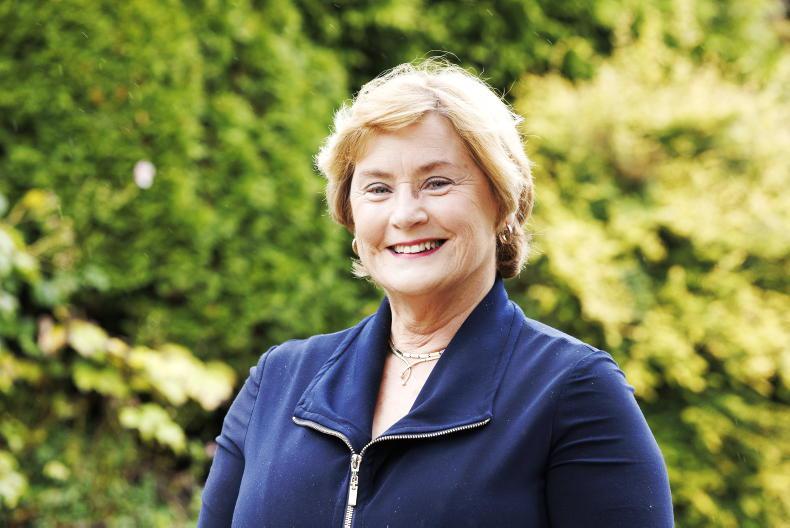
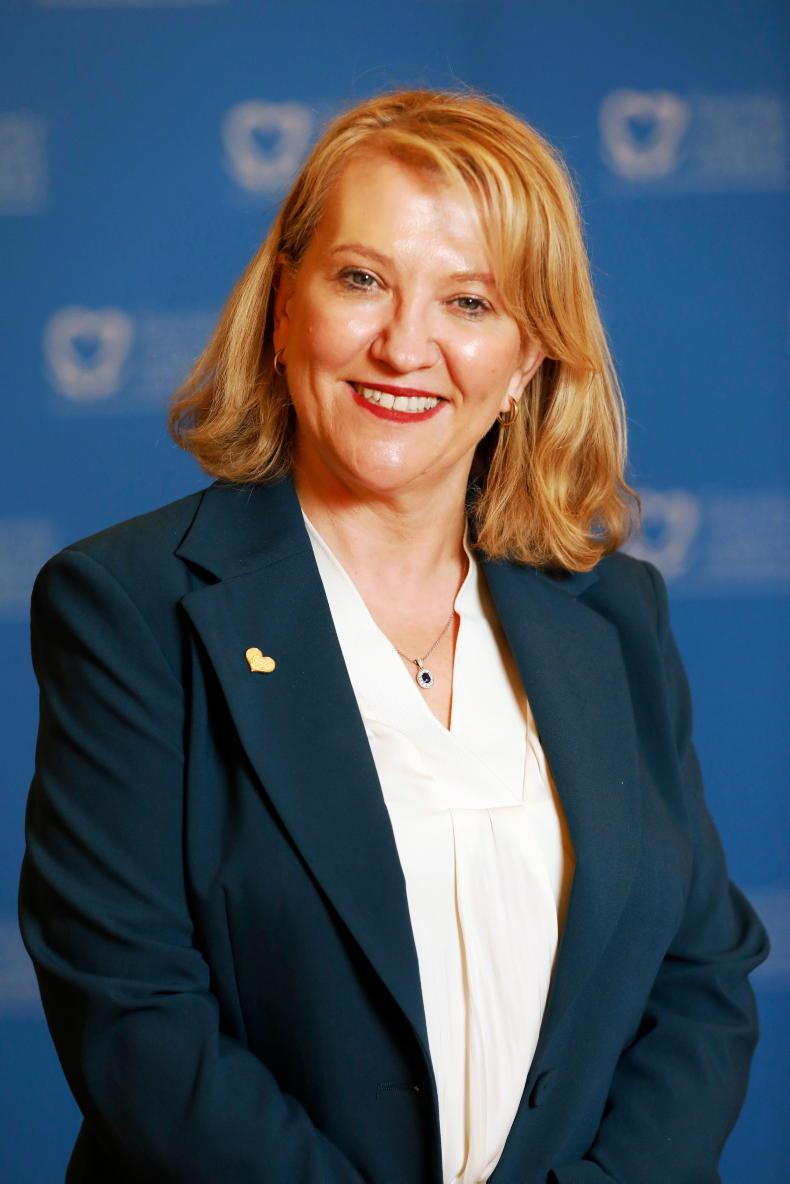
Sharon Foley, chief executive of Family Carers Ireland says it is time family carers were recognised for the contribution they make to society and said a much more strategic approach is needed from Government.
“Family Carers Ireland calls on the Government to prioritise the development of structured future planning supports for family carers and the people they care for,” she says.
“This involves establishing clear pathways for long-term care planning, making provision for housing, financial security and decision-making supports, particularly for those with lifelong or complex needs.
“Planning must be proactive rather than crisis-driven, and available early in the caring journey. Critically, future planning cannot rely on informal or assumed family succession. It must be underpinned by guaranteed access to appropriate community-based supports and services, ensuring that individuals can continue to live with dignity, regardless of changes in family circumstances.”
*Names have been changed to protect the identity of Frances and her family.