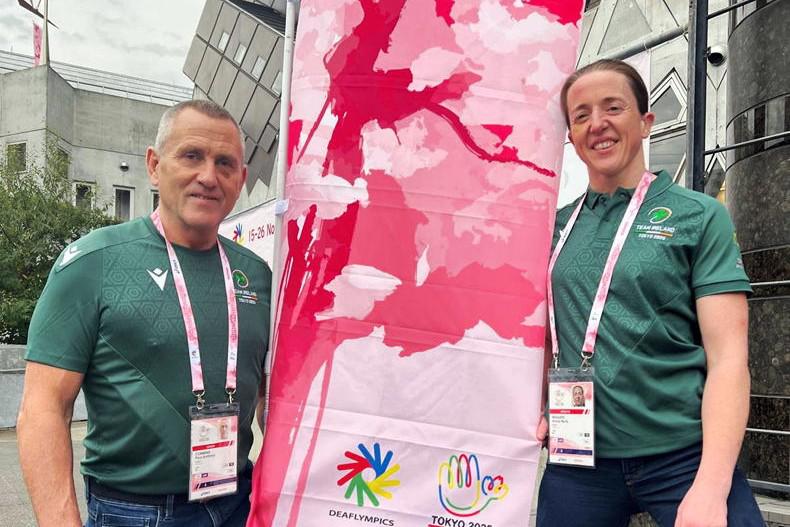
Shona Maguire, a qualified vet living in Carlow, is coming back down to earth after returning from Japan where she competed at the Deaflympics, becoming the first Irish woman to ever represent her country in judo.
The Dublin native runs her own fertility testing company and covers weekend vet clinics in Tullow, so she splits her training between two clubs; OSA Judo Club in Newbridge and Paul Cummins School of Judo in Dublin.
“It was an incredible experience representing my country in the birthplace of judo, the atmosphere was like nothing I’d ever experienced, and now my sights are set on the European Deaf Judo Championships,” says Shona.
“I run my own fertility testing company for rams and bulls and I cover the Leinster region. I also do weekend clinics for Ark vets in Tullow, a mixed practice, and holiday cover for nearby practices when needed,” she says.
Originally from Swords, Shona first experienced judo as part of the transition year programme in her secondary school, Mount Temple.
“I would never have had any interest in martial arts before that, but I really enjoyed it. When I won my first interschools competition, it sealed the deal, and I joined my local club in Swords,” she adds.
Speaking about being the first person to represent Ireland in judo in the Deaflympics, Shona emphasises the importance of inspiring the next generation.
“I’ve always been passionate about accessibility for people with disabilities, not just in sport but in everyday life. I hope I can play a small part in making women in sport more visible and seeing female athletes achieving the same funding and support as their male counterparts.”
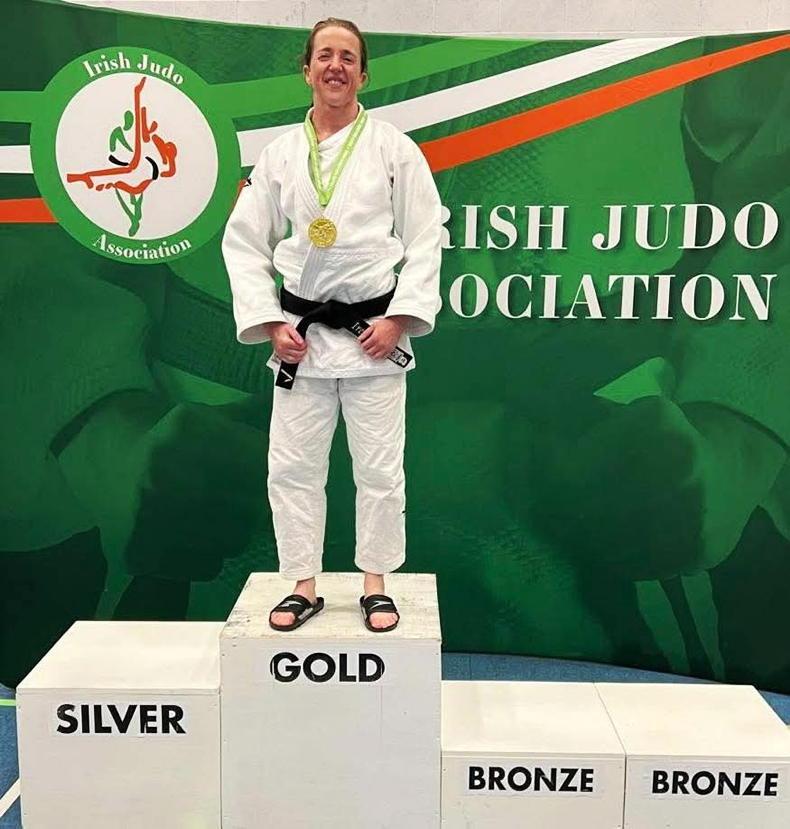
Shona winning a gold medal at an Irish judo competition.
Hearing challenges
Shona says her hearing issues developed when she was young. “I was diagnosed with cholesteatoma in both ears as an infant, which caused damage to my middle ear, so I have worn hearing aids from a very young age. When I was younger, the hearing aids were bulky and uncomfortable, and the technology wasn’t great, so school was a struggle,” she explains.
Despite the challenges at school, she was motivated and went on to study veterinary science in UCD, which was “always the dream”. Speech therapy and extra support in the classroom helped keep her focused on her work.
“I don’t really know why I was drawn to veterinary as I’ve no family connections to farming or veterinary, but it’s always been what I’ve wanted to do. I loved horse riding from the first time I was put on a horse at five years old, so that was probably part of it,” she explains.
Studying at UCD was ‘a tough five years’, admits Shona, but she enjoyed the course, and the hands-on learning. “UCD have a great disability service that provided me with various bits of tech to help me in lectures. However, surgical rotations were difficult as everyone was wearing masks and I wasn’t able to lip-read. I also had to find an adapted stethoscope so I could adjust the volume on it, another technology that has vastly improved since I first used it,” says Shona.
Life as a vet
As a vet, Shona’s day job can be very demanding, especially given how tough the last few years have been for farmers.
“Running my own company means that although I still work long hours, it’s more flexible, allowing me to put in the training I needed for Tokyo. The farmers I attend are mostly long-standing clients who are very encouraging and understanding, which has been a great help,” she says.
Achieving a healthy work-life balance for rural vets is challenging with staff shortages leading to longer hours and heavy workloads, with many vets working over 60 hours a week.
“The normalisation of not getting a lunch break and just working until everything is done needs to change,” argues Shona.
“During spring, that’s unrealistic, especially in smaller practices, but outside of that people should be getting breaks and leaving on-time, bar the odd emergency.”
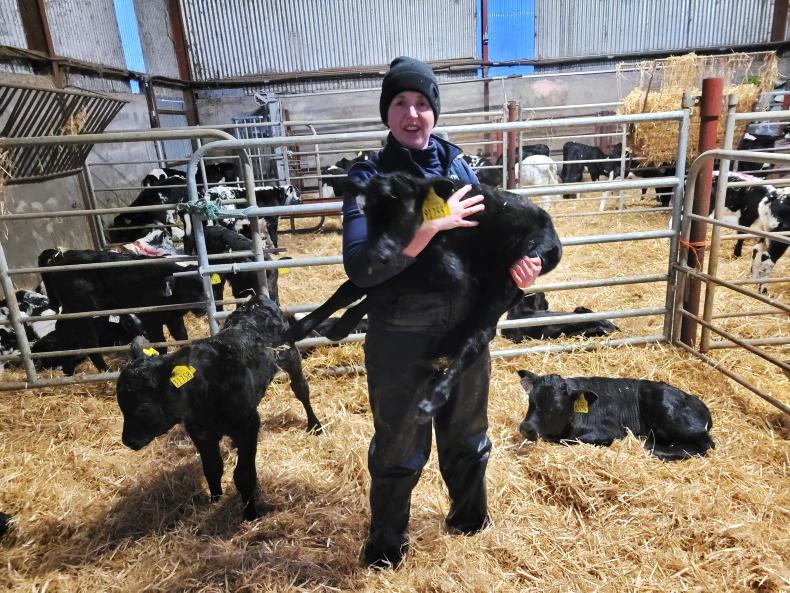
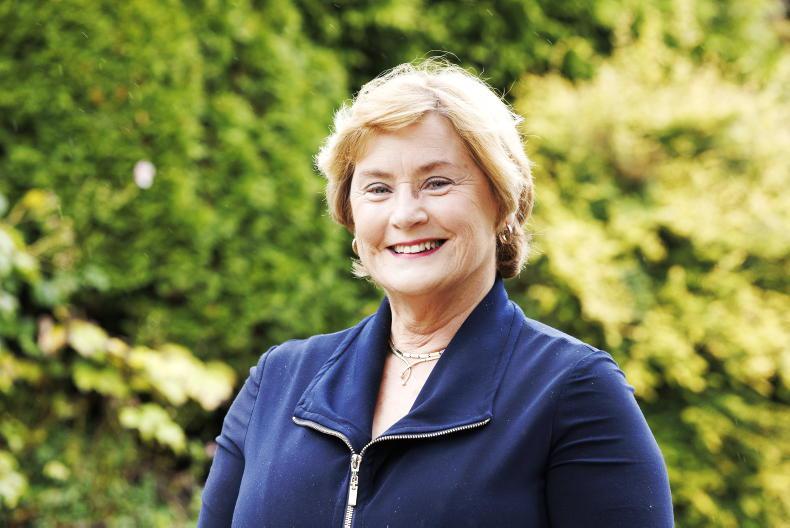
Shona Maguire is a fully qualified vet running her own fertility testing company.
According to Shona, most of the challenges she has faced in her education and career to date are not unique ones.
“The physicality of the job is something most new graduates have to learn to adapt to. For me, there’s also the communication issues – people wearing masks, noisy environments, and farmers standing behind me while I’m examining the animal are all things to contend with. But they also just mean I need to find a different way of doing things.
“Hearing aid technology has improved a lot in recent years, and Enda Dooley, my audiologist in Hidden Hearing, has been fantastic, so communication is not a struggle anymore.
“For the most part, any challenges I’ve faced have taught me that when I’m finding something difficult, it doesn’t mean I can’t do it or I’m not as good as everyone else; I just need to find my own way to do it and adapt to suit my situation.”
For aspiring vets, Shona advises getting some work experience on farms and with vets, as it will stand to you in the early years in college.
Shona Maguire, a qualified vet living in Carlow, is coming back down to earth after returning from Japan where she competed at the Deaflympics, becoming the first Irish woman to ever represent her country in judo.
The Dublin native runs her own fertility testing company and covers weekend vet clinics in Tullow, so she splits her training between two clubs; OSA Judo Club in Newbridge and Paul Cummins School of Judo in Dublin.
“It was an incredible experience representing my country in the birthplace of judo, the atmosphere was like nothing I’d ever experienced, and now my sights are set on the European Deaf Judo Championships,” says Shona.
“I run my own fertility testing company for rams and bulls and I cover the Leinster region. I also do weekend clinics for Ark vets in Tullow, a mixed practice, and holiday cover for nearby practices when needed,” she says.
Originally from Swords, Shona first experienced judo as part of the transition year programme in her secondary school, Mount Temple.
“I would never have had any interest in martial arts before that, but I really enjoyed it. When I won my first interschools competition, it sealed the deal, and I joined my local club in Swords,” she adds.
Speaking about being the first person to represent Ireland in judo in the Deaflympics, Shona emphasises the importance of inspiring the next generation.
“I’ve always been passionate about accessibility for people with disabilities, not just in sport but in everyday life. I hope I can play a small part in making women in sport more visible and seeing female athletes achieving the same funding and support as their male counterparts.”

Shona winning a gold medal at an Irish judo competition.
Hearing challenges
Shona says her hearing issues developed when she was young. “I was diagnosed with cholesteatoma in both ears as an infant, which caused damage to my middle ear, so I have worn hearing aids from a very young age. When I was younger, the hearing aids were bulky and uncomfortable, and the technology wasn’t great, so school was a struggle,” she explains.
Despite the challenges at school, she was motivated and went on to study veterinary science in UCD, which was “always the dream”. Speech therapy and extra support in the classroom helped keep her focused on her work.
“I don’t really know why I was drawn to veterinary as I’ve no family connections to farming or veterinary, but it’s always been what I’ve wanted to do. I loved horse riding from the first time I was put on a horse at five years old, so that was probably part of it,” she explains.
Studying at UCD was ‘a tough five years’, admits Shona, but she enjoyed the course, and the hands-on learning. “UCD have a great disability service that provided me with various bits of tech to help me in lectures. However, surgical rotations were difficult as everyone was wearing masks and I wasn’t able to lip-read. I also had to find an adapted stethoscope so I could adjust the volume on it, another technology that has vastly improved since I first used it,” says Shona.
Life as a vet
As a vet, Shona’s day job can be very demanding, especially given how tough the last few years have been for farmers.
“Running my own company means that although I still work long hours, it’s more flexible, allowing me to put in the training I needed for Tokyo. The farmers I attend are mostly long-standing clients who are very encouraging and understanding, which has been a great help,” she says.
Achieving a healthy work-life balance for rural vets is challenging with staff shortages leading to longer hours and heavy workloads, with many vets working over 60 hours a week.
“The normalisation of not getting a lunch break and just working until everything is done needs to change,” argues Shona.
“During spring, that’s unrealistic, especially in smaller practices, but outside of that people should be getting breaks and leaving on-time, bar the odd emergency.”

Shona Maguire is a fully qualified vet running her own fertility testing company.
According to Shona, most of the challenges she has faced in her education and career to date are not unique ones.
“The physicality of the job is something most new graduates have to learn to adapt to. For me, there’s also the communication issues – people wearing masks, noisy environments, and farmers standing behind me while I’m examining the animal are all things to contend with. But they also just mean I need to find a different way of doing things.
“Hearing aid technology has improved a lot in recent years, and Enda Dooley, my audiologist in Hidden Hearing, has been fantastic, so communication is not a struggle anymore.
“For the most part, any challenges I’ve faced have taught me that when I’m finding something difficult, it doesn’t mean I can’t do it or I’m not as good as everyone else; I just need to find my own way to do it and adapt to suit my situation.”
For aspiring vets, Shona advises getting some work experience on farms and with vets, as it will stand to you in the early years in college.
SHARING OPTIONS