



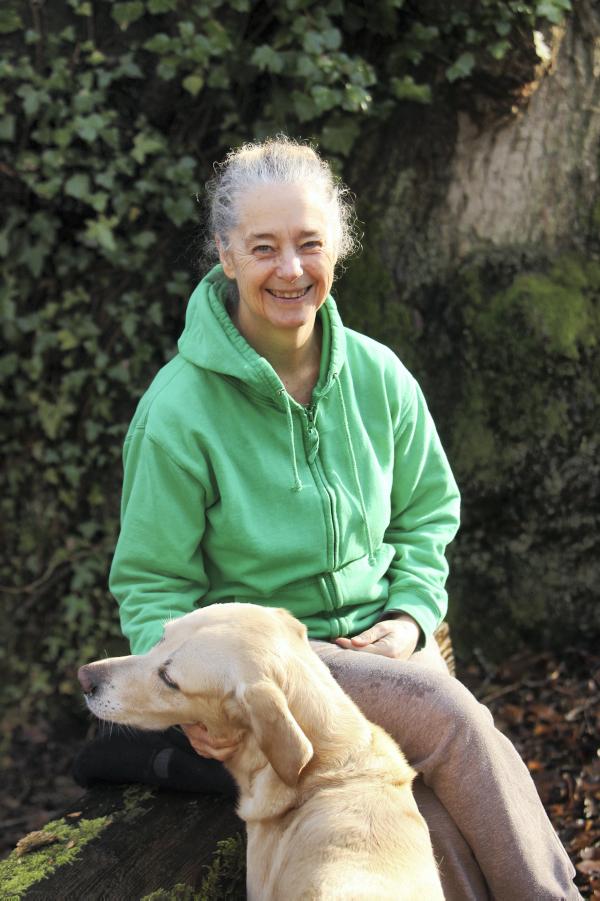
Anica Louw remembers when she decided to establish a dance school on a farm in Longford.
“Everyone thought I was mad,” she says. “But I’ve always liked a challenge.”
That was over 30 years ago. Since then, Shawbrook School of Dance has evolved from ballet classes in a barn to an internationally renowned centre for dance, theatre and art. Good thing she didn’t listen to the doubters.
The South African, who was fresh from a series of archaeological expeditions across the world, came to Longford in 1976 to visit Philip Dawson, whom she met a few years before. What was supposed to be a short visit grew into a permanent stay, with the couple marrying in 1978.
Anica spent her first year in Legan immersing herself in farming, before noticing an opportunity.
“I was watching the Rose of Tralee and couldn’t believe the bad posture Irish girls had,” she says. “I called it ‘the convent look.’ The Americans and Australians bounced on the stage with confidence and the poor Irish girls had hunched backs, with their shoulders down and knees knocking.”
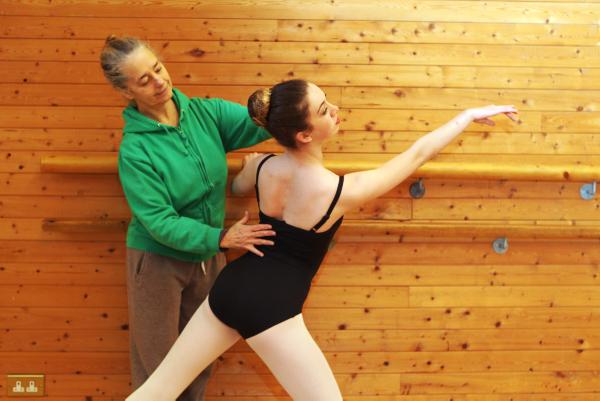
Anica, who trained as a dance teacher in South Africa, started with ballet lessons in the village of Legan.
“The reason for teaching ballet was completely random,” she explains. “I asked Philip if Irish girls learned ballet and he laughed at me. Irish dancing, yes. But ballet? No way. “When I started teaching, no one ever said ballet, they said ‘ballett,’” she laughs, emphasising the t.
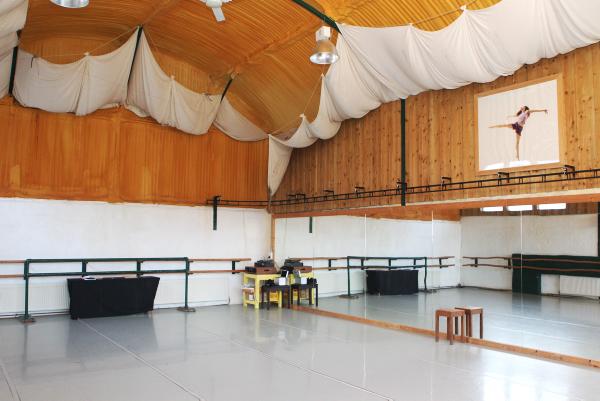
She taught in various locations across the Midlands before setting up shop on the farm in the early 1980s, with Philip converting a barn into a dance studio complete with seats tucked away in the ceiling that could be brought down when needed. It was Longford’s first theatre.
After discovering Irish students had three months off in the year, Anica decided to set up a summer school in 1984.
“If you take dance seriously, you can’t take three months off,” she explains. “In Africa we have bush camps, so I decided to set one up here.
“In the first year we had ten students and they all slept in one bedroom in the house. We evolved from there and got tents and caravans. For years we only had one toilet.
“When people came to stay they washed themselves in the river. Locals thought I was teaching water ballet,” she laughs. “However, I believe that hardship and adventure gave them a good start in their careers as dancers. Some of the people who attended the summer school are still in the industry.”
The years passed and more farm buildings were converted, with a hay shed becoming a large dance and rehearsal studio, a calving house used as a costume and sewing room and an old loft made into a dormitory for visiting students. Classes expanded to include contemporary dance, jazz and lessons for adults.
“There was great potential with the space and Philip and I had the same mindset. That’s what has kept us together – none of this romantic stuff,” Anica continues. “My wonderful mother-in-law Sylvia Dawson was also very supportive and really believed in everything I wanted to do.”
Respect for Shawbrook grew as world class dancers, such as Marguerite Donlon who is known internationally as a choreographer and ballet director, started to emerge from the school.
Performers from the Shawbrook Youth Dance Company have travelled across Ireland and the world, taking part in St Patrick’s Day parades and festivals such as The Burning Man, Glastonbury and Electric Picnic.
In addition, Anica runs the Longford Dance Festival, the Irish National Dance Awards and co-ordinates flash mobs that take place in Longford town.
As for parents who are reluctant to let their children pursue a career in dance or the arts, Anica has the following advice.
“Give them the chance and let them prove themselves and make sure they complete their studies so they will have something to fall back on if it doesn’t work out,” she says. “I had one student whose parents pushed her into engineering and she is now going back to dance. I knew she would never be satisfied if she didn’t try to dance as a professional.
“I’ve taught a lot of people who turned out to be physiotherapists, which is actually closely related to dance.”
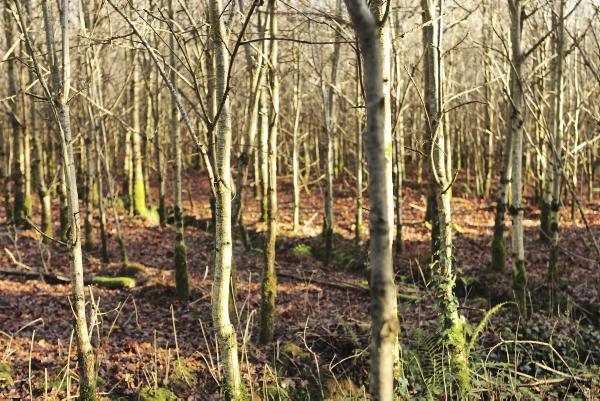
Philip stopped farming in 1999 and planted a forest of oak and beech trees on the land, where an annual beech party has been held since 2011.
Anica and Philip, along with their son Kristo who runs Shawbrook Wood Company, are now planning to rent holiday accommodation in the forest. Meanwhile, Philip was named the Leinster winner of the Forest Service Awards in 2013.
In recent years, Shawbrook has opened its doors to artists and companies, who can apply to use the space as a residential retreat or a place to rehearse.
Anica’s dance school is now only part of what happens in Shawbrook and she is eager to see the space used in a number of ways.
“I would love to have this space used for different things, like art weekends, yoga holidays and retreats,” she says.
“My son is looking into having humanist weddings here and he also suggested we open the woods up to walkers, but dance will always be a big part of Shawbrook.
“It would be nice if there was always something happening here. It would be a pity not to use it in an artistic way.”


SHARING OPTIONS