


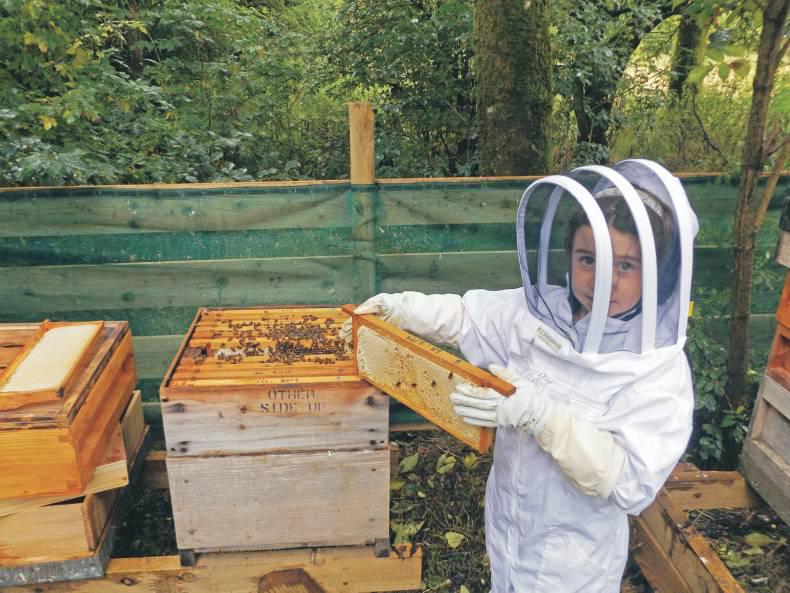
This year’s much-reduced honey crop stems from the cold and generally poor weather right up to August. After the annual week-long Beekeeping Summer Course at the Fransciscan College, Gormanston, in the last week of July, I was about to take off what honey I had in my hives. My wife advised me that there was good weather on the way and would it be wise to hold off. Naturally, I took this advice on board, and we did get 10 good days. These were valuable days in which the bees were able to work the last of the blackberries and top up their meagre honey store.
This year’s summer course in Gormanston outshone previous years, with attendance at an all-time high. The numbers of young and not so young who began beekeeping was extraordinary. It would appear that people have woken up to the importance of bees and want to do something about it.
Those who have honey can show their wares at any of the many honey shows around the country at this time of year. Those who have high-quality honey and are prepared to travel, can head to the London Honey Show, where year after year the Irish beekeepers come away with the top prizes for their honey.
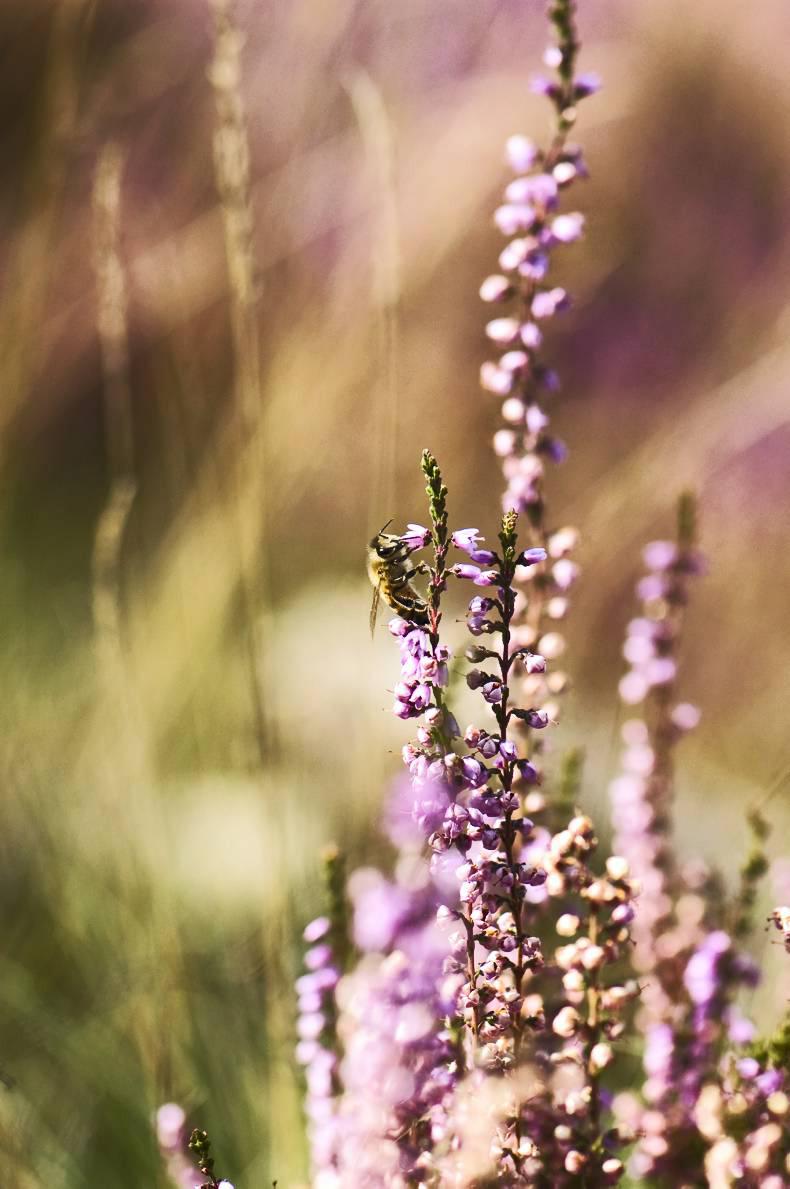
The ling heather is blooming well on the hills. It is difficult to say right now if a crop of honey will materialise from it. Bees worked it well in those good days in August.
Ling honey cannot be extracted from the honeycomb in the normal way. It can, however, be extracted by the use of specialised needle equipment which agitates the honey beforehand. Another method used to get this honey out of the comb is by press, such as that used to press grapes. The honey is ideal as cut-comb honey. The frames of honey are cut into small blocks and placed into tubs.
Once honey is removed from the hives, there are some important jobs which the beekeeper must attend to. Varroa mites are an ever-present problem in beehives and so once the honey is off, treatment must be done. Failure to treat may lead to high infestation levels, which will drag the colony down with viral infections and lead to the death of the bees.
The brood chamber must be examined to make sure there is a laying queen present. This, alongside freedom from disease, is a perquisite to the colony surviving the winter. From time to time, one comes across a situation where, for a number of reasons, the hive becomes queenless. The clue to the beekeeper may be an unusual number of drones in the hive, especially at a time when they should be gone. In the absence of queen pheromone, which suppresses the development of worker bee ovaries, these develop and produce eggs, which they lay in clusters. Since the worker bee is not a fertilised female like the queen, her eggs will only develop as males (drones).
A feed of two gallons of sugar syrup, made up of two parts sugar to one part water, should be given to each hive to replace the honey which has been robbed by the beekeeper. This will augment any honey stores within the brood chamber, thus securing the bees for the duration of winter.



SHARING OPTIONS