



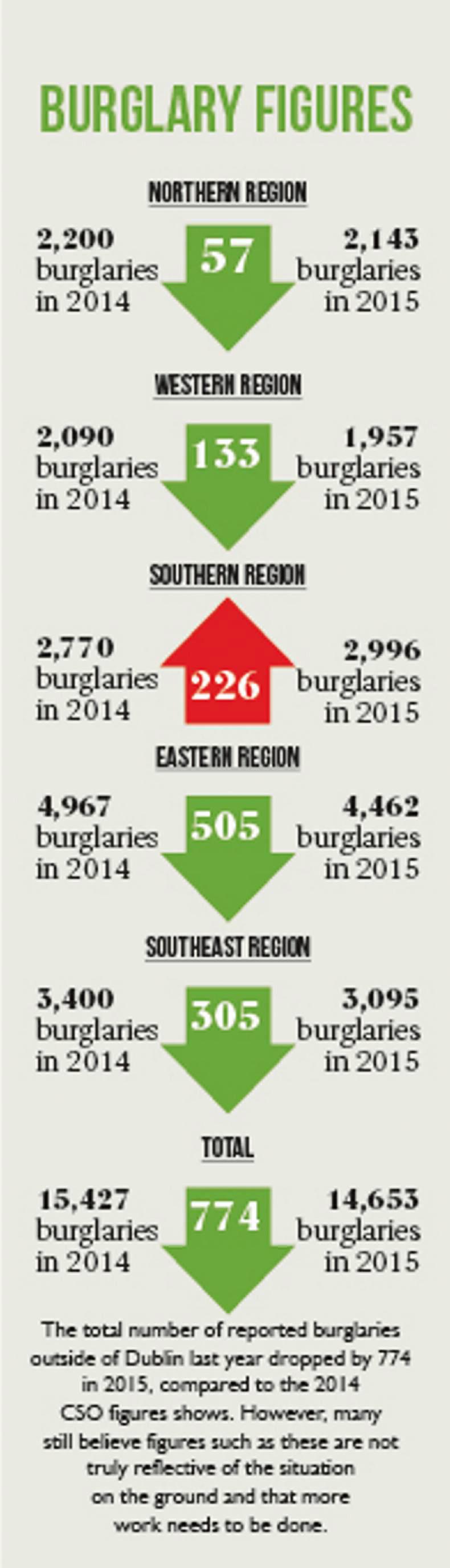
The announcement of Operations Thor back in November last year was a welcome one. Burglaries and theft-related crime were rampant while there was a very defined sense of vulnerability in rural parts of Ireland. Closure of garda stations, stunted recruitment and the continued reality of austerity have all been features that have hindered action and real change.
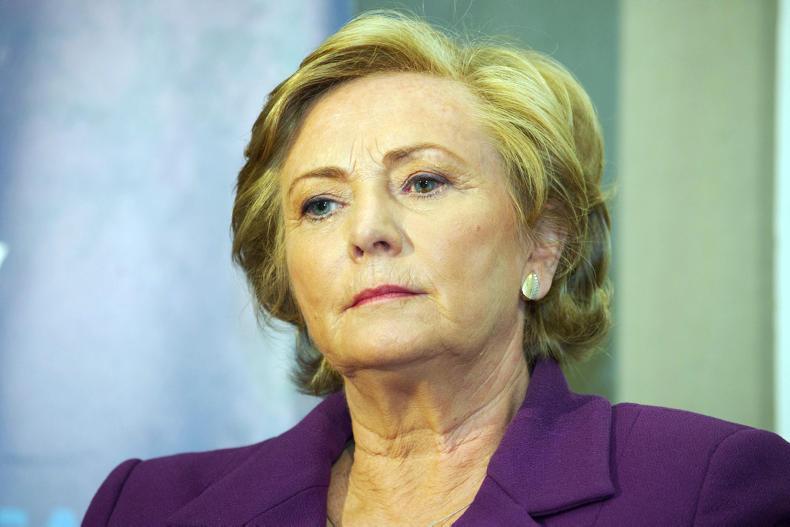
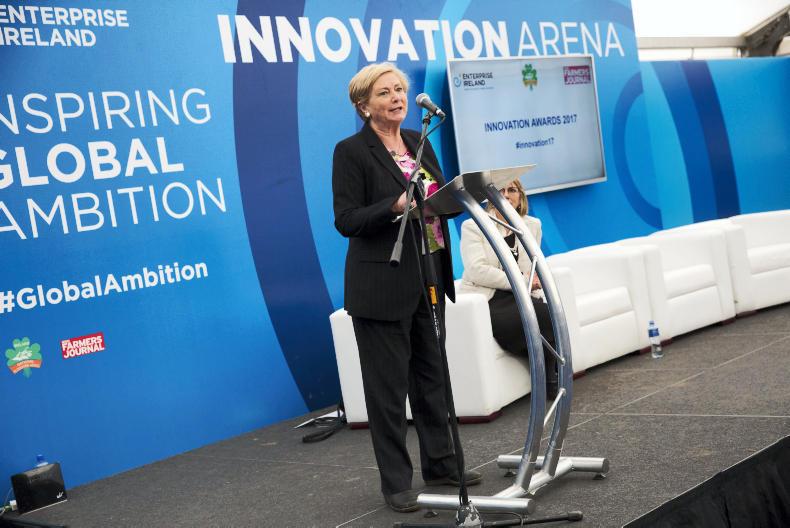
However, as we enter into the era of a new government, Tánaiste Frances Fitzgerald is confident that the tide is very much turning when it comes to rural crime. Speaking exclusively to Irish Country Living, she gives her take on rural crime and what is needed to keep the statistics going in a downward direction.
Q: Can you evaluate Operation Thor and its impact?
FF: “This was a targeted garda operation, targeting specifically burglaries, urban and rural, and we are very encouraged by the results so far. The CSO figures published show an overall reduction of over 5%, up to December 2015
“You get different crime trends at different times and clearly burglaries were of concern. We also brought in the new Criminal Justice Burglary Dwelling Act, which was really important because it is legislation to hand down tougher sentences to repeat offenders, including consecutive sentences for serious previous offenders being prosecuted on multiple counts.”
Q: Have the courts seen an increase in consecutive sentencing in the past few months?
FF: “We await the statistics on that. The main point is that the courts now have that power and the judges have the discretion … I feel the Government has done its bit in terms of the legislative base you need to deal with this issue.”
Q: There have been calls for electronic tagging for repeat offenders, is this realistic and will it be implemented?
FF: “I will have new bail legislation and that will include electronic tagging, which I believe is an important part of the armoury of initiatives that we need to deal with people who pose a risk to the community. I am certainly keen that this will be in the new legislation and that it will be a priority piece of legislation for me … There are legal and technical issues with the electronic monitoring – the targeted use of it has the potential to be very effective.”
Q: With the garda forces being increased to 15,000 as proposed, where will these extra personnel be deployed?
FF: “That is an operational matter for the Garda Commissioner. Obviously, what she has to do is examine the needs of different areas. What we have at present is rates of crime going down in certain areas, going up in other areas. The Garda Commissioner has to make a decision based on what the needs of a given area are. So far, people have been placed all over the country – urban and rural.”
Q: With six new garda stations reopening on a pilot basis, would their success dictate the reopening of more rural garda stations in the future?
FF: “The garda inspectors report has said that An Garda Siochána should be allocated in areas where the need is shown to exist … On the question of the garda stations in the programme for Government, we have asked the group that will be reviewing this issue to look at the crime rates, to look at what would be the most effective way to combat the type of crime in the area – so it shouldn’t just be about geography.”
Q: Is it a regret of yours that garda stations had to close?
FF: “At the time there was an operational decision taken, the country was going through an extremely difficult period, the Garda Commissioner of the day recommended rationalisation. There were many garda stations that were only opened for an hour or two and really that didn’t serve anybody very well.”
Q: Given the current climate, what are your views on arming the gardaí.
FF: “Certainly there are circumstances for which it is very clear that you have to have armed gardaí, but it terms of our, if you like, day-to-day policing in communities, I would prefer not to go in that direction. I certainly think armed backup should be readily available because of the type of crime that we see.”
Q: Are the gardaí still respected in Ireland?
FF: “There was a survey done by An Gardaí Siochána which the Commissioner announced recently where it showed that the respect for the gardaí had been increasing. I think there is a huge recognition for the work gardaí do. We lost garda Tony Golden just last year. We have other gardaí over the years who have lost their lives in frontline service. I think that the public see the dangers of the job and respect that.”
Q: How do we efficiently police rural Ireland into the future?
FF: “I think the future is communities working effectively with local gardaí and businesses with everybody working together to create safe communities. We have seen some very interesting initiatives in Kilkenny, for example, between the business community and the gardaí … I think the gardaí recognise themselves that we are into a new era of modern policing where you have to be very responsive to the community.”


SHARING OPTIONS